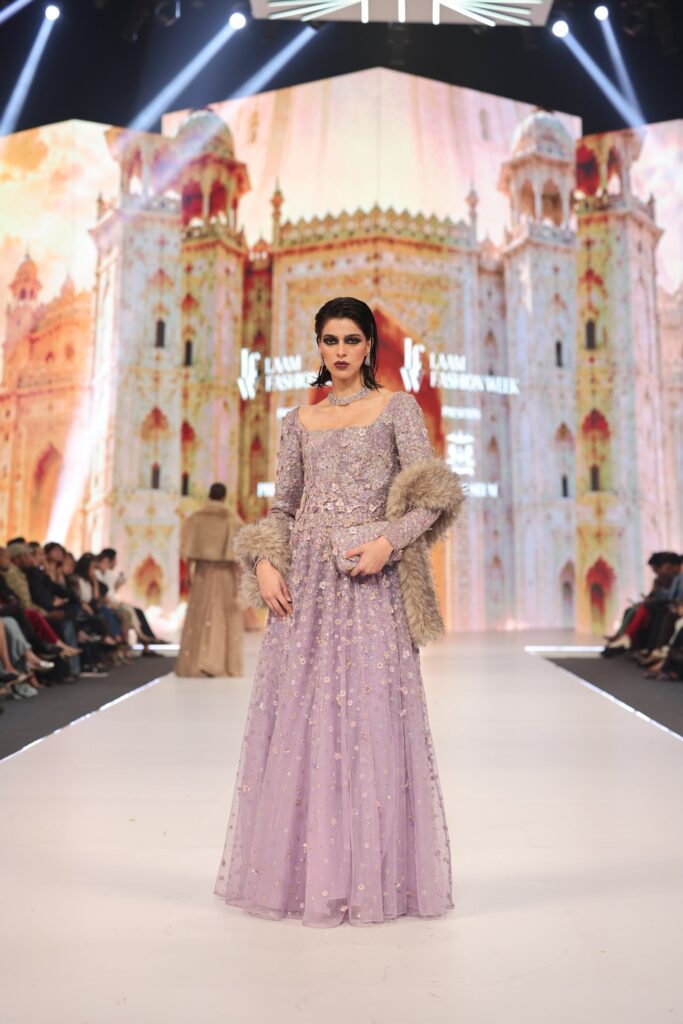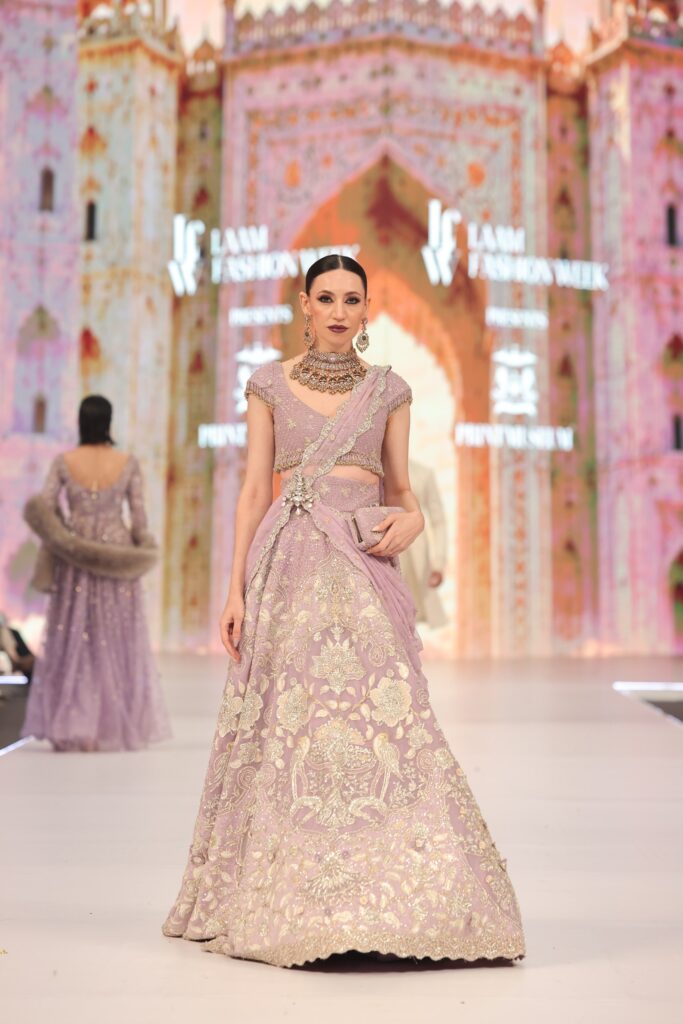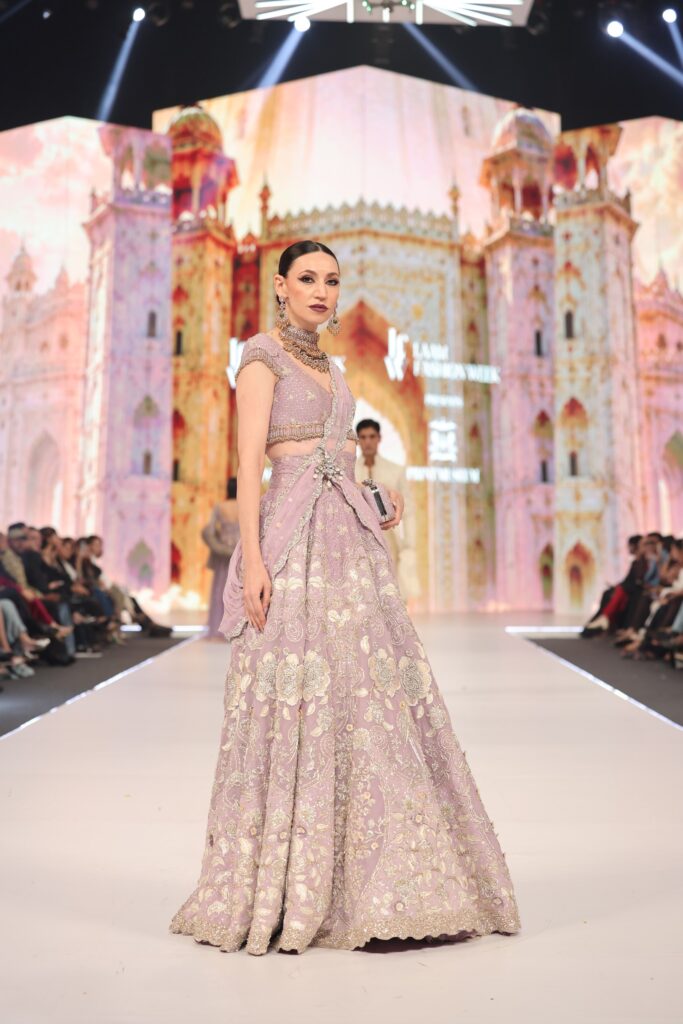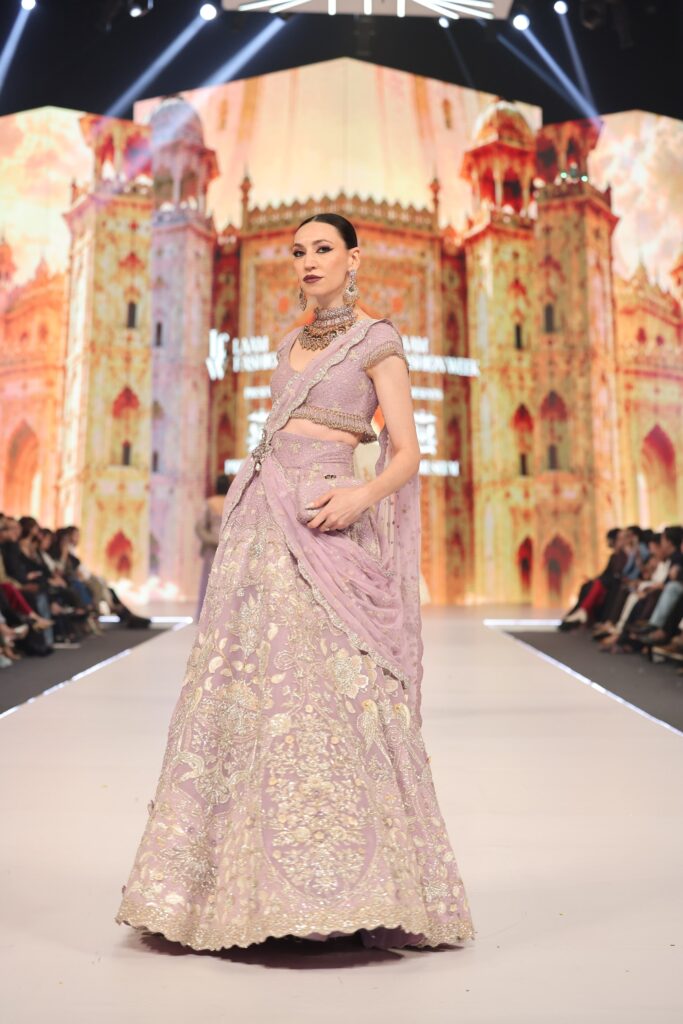
Lahore Fort’s Ornament Breaks Its Frame in Fahad Hussayn’s LAAM Fashion Week Collection

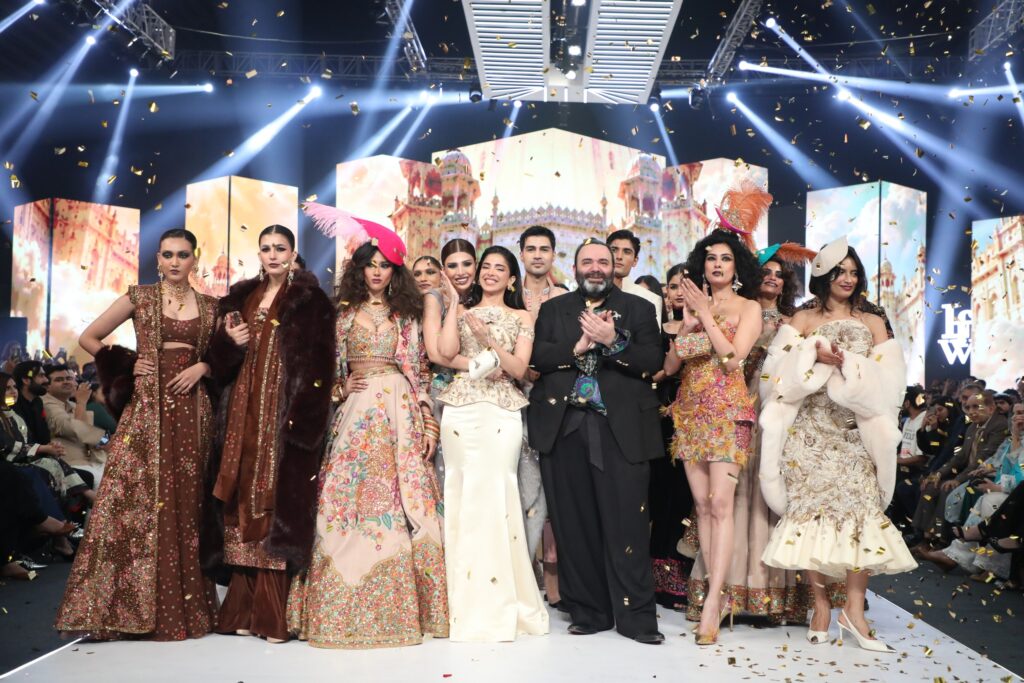
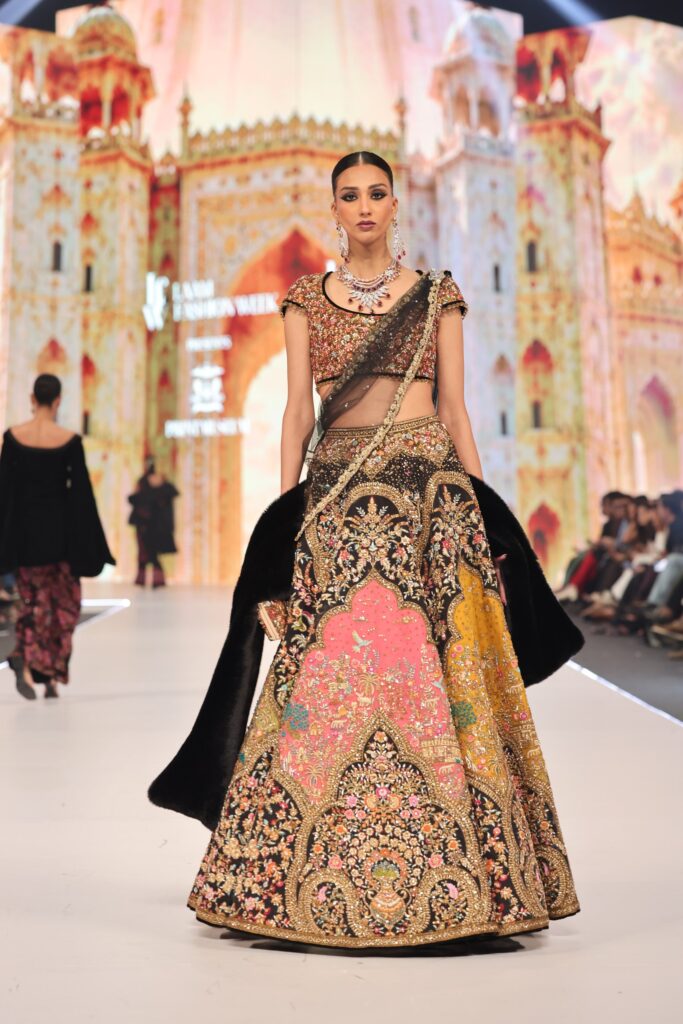
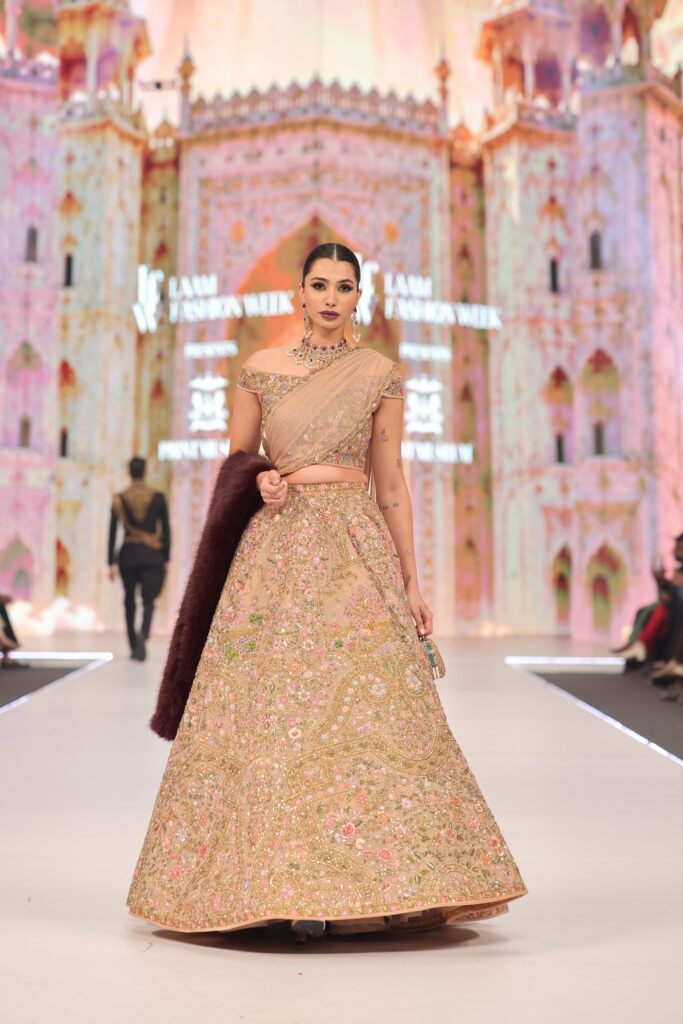
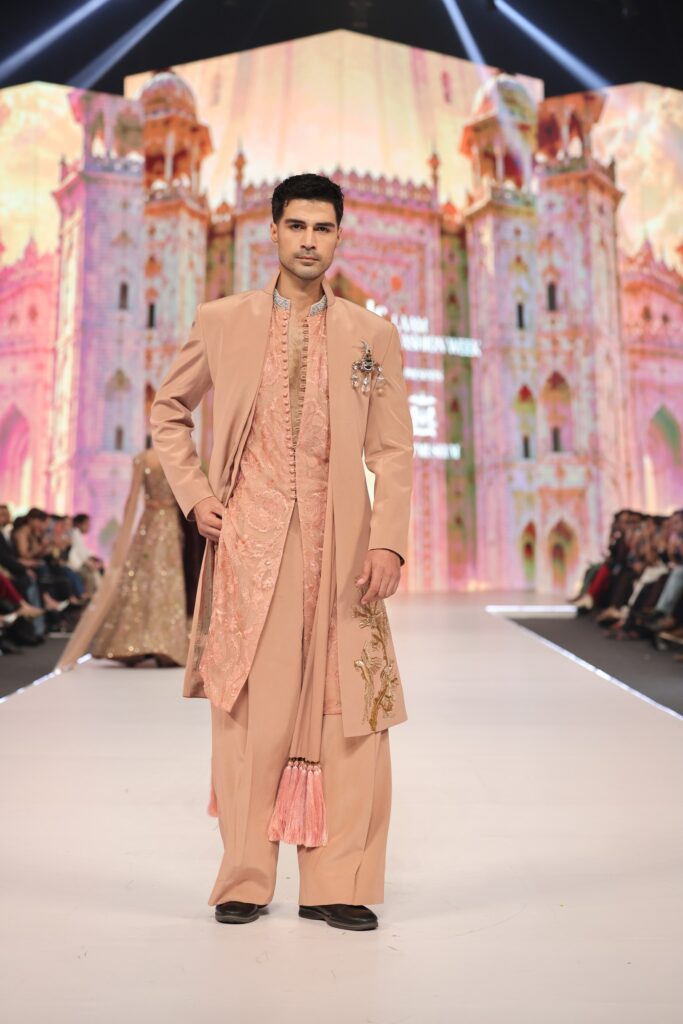
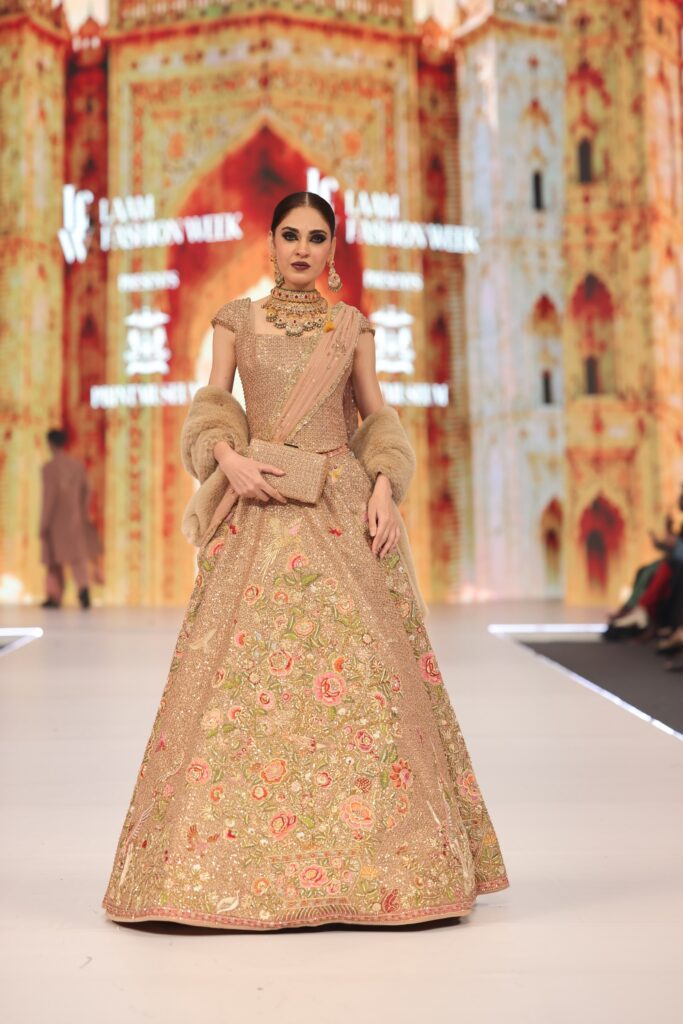
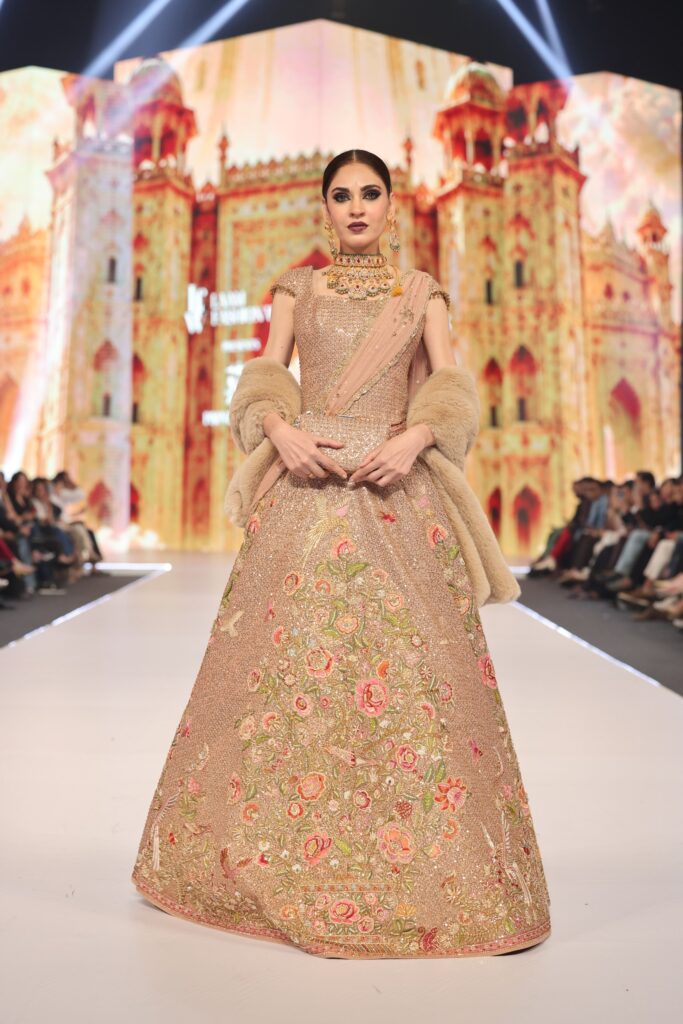
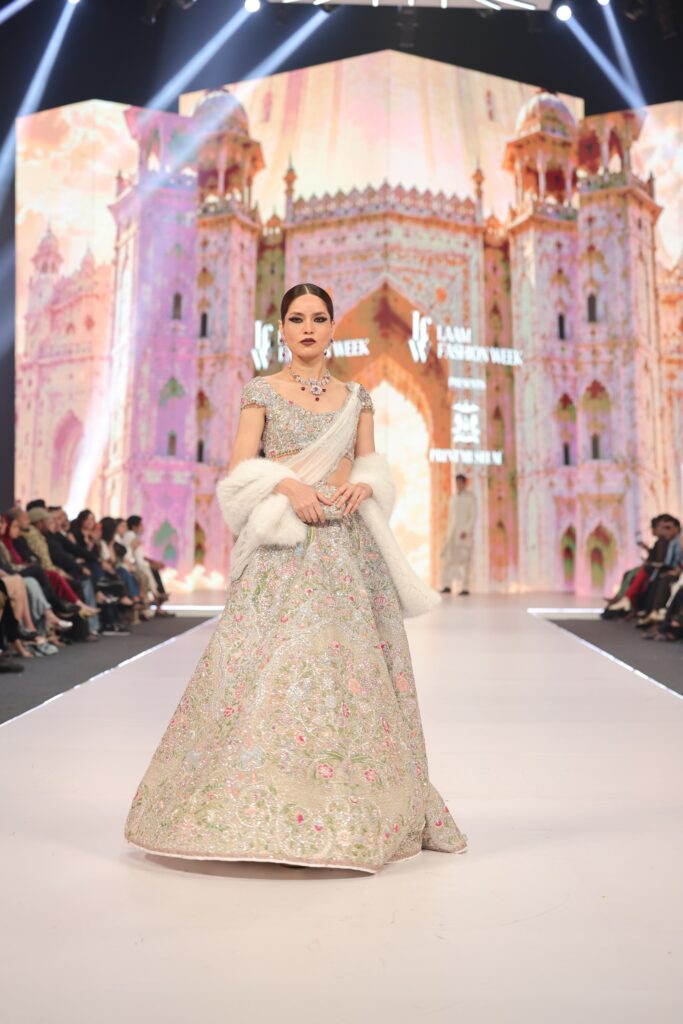
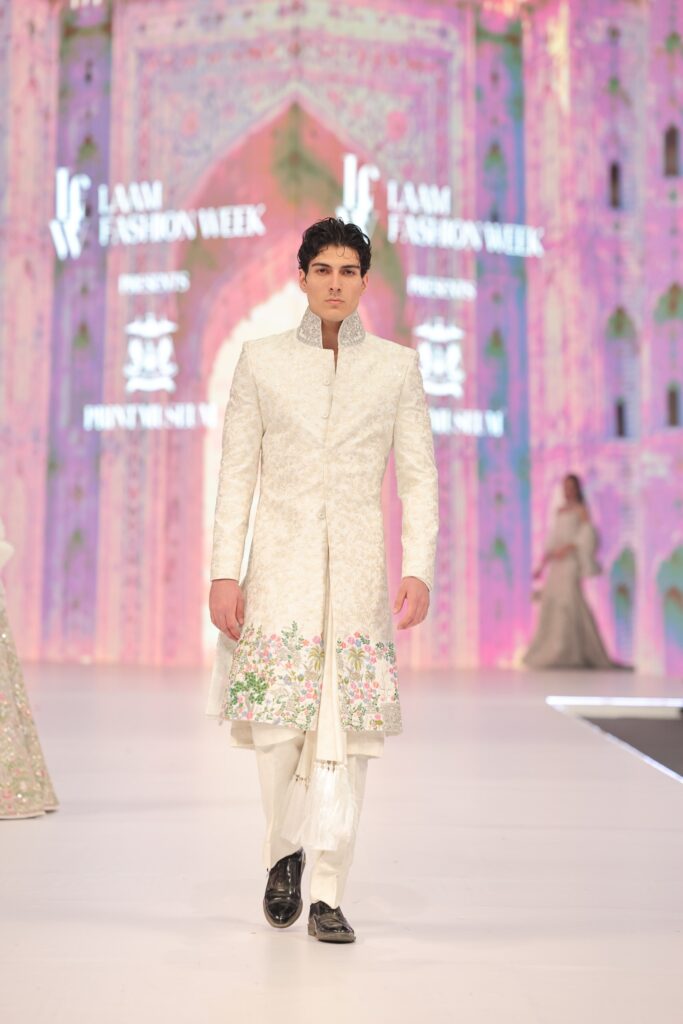
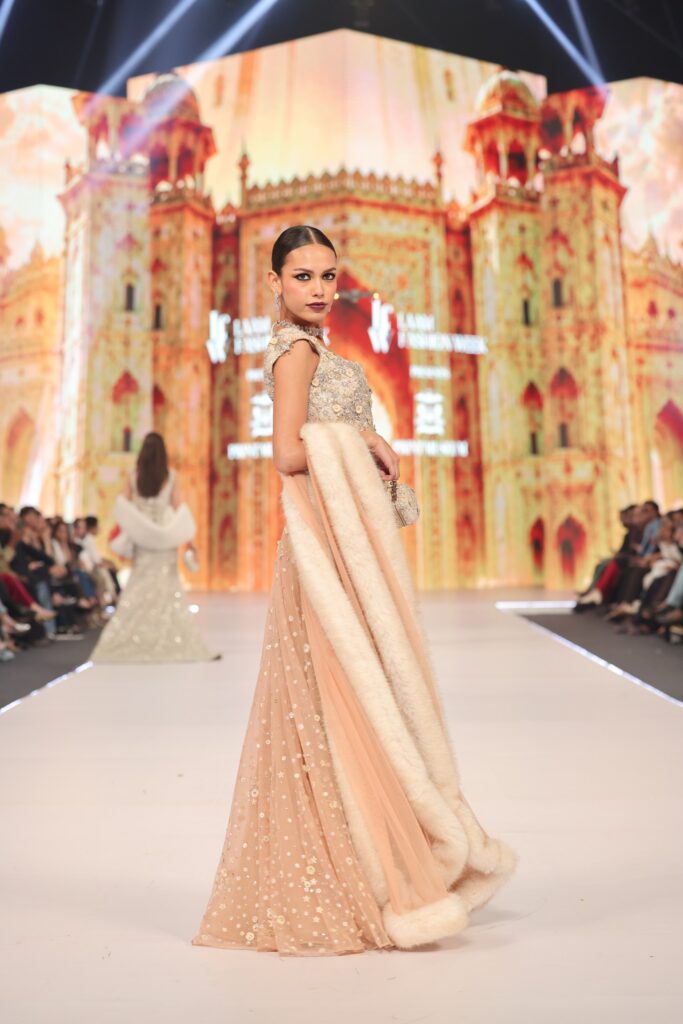
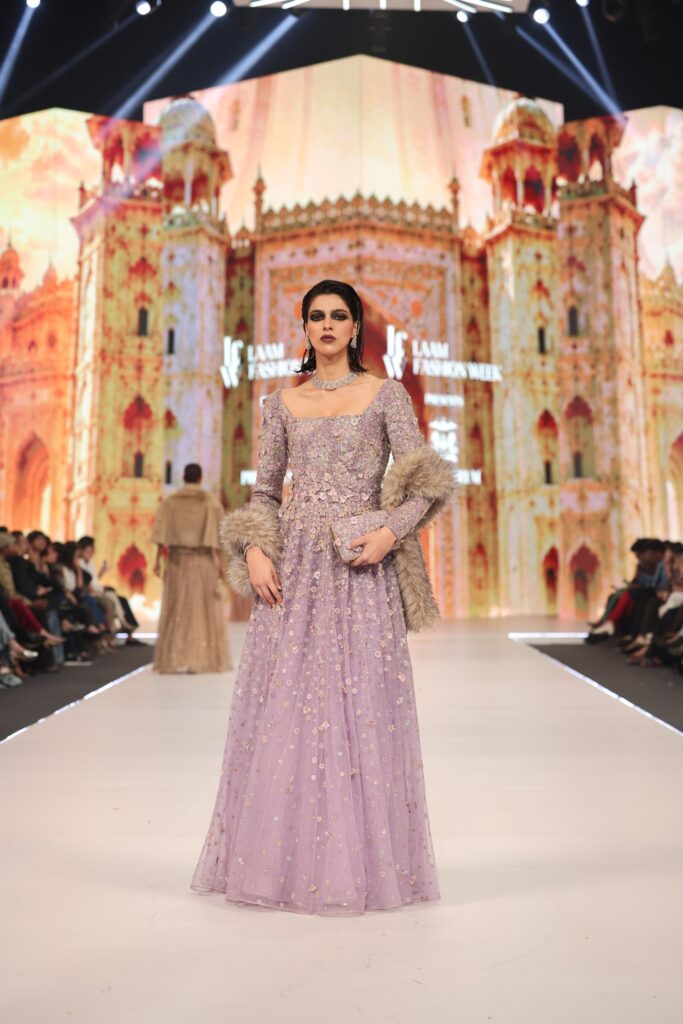
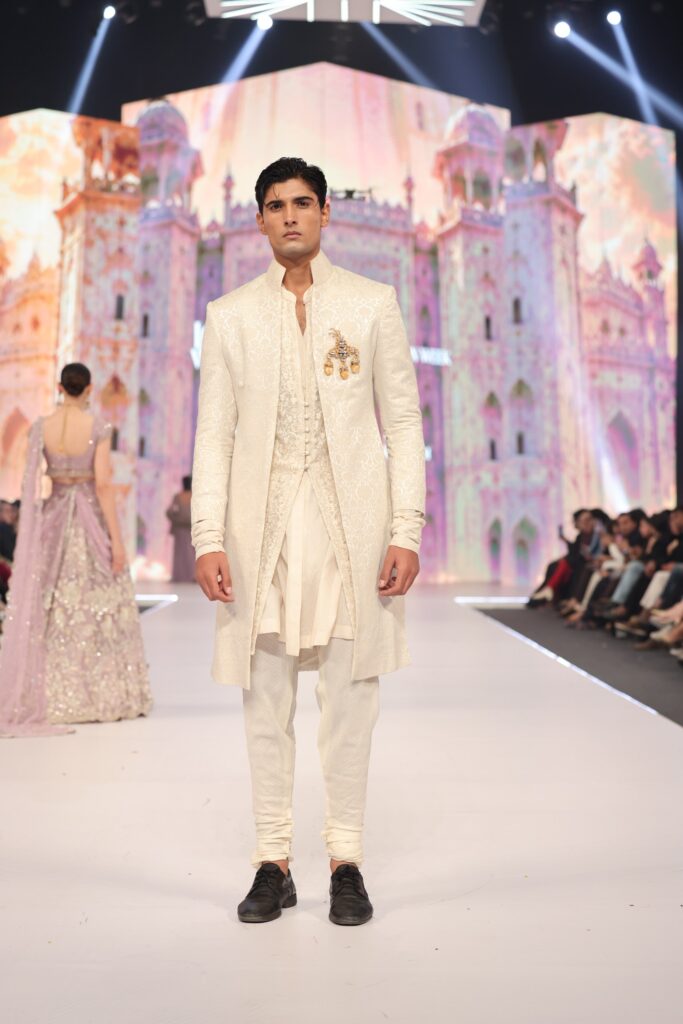
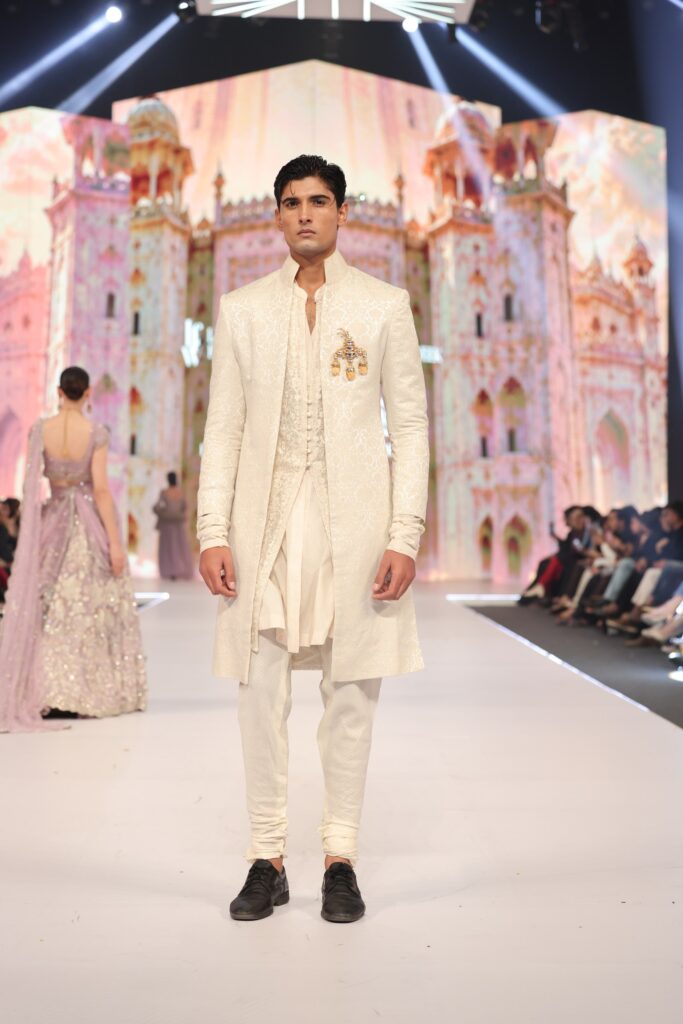
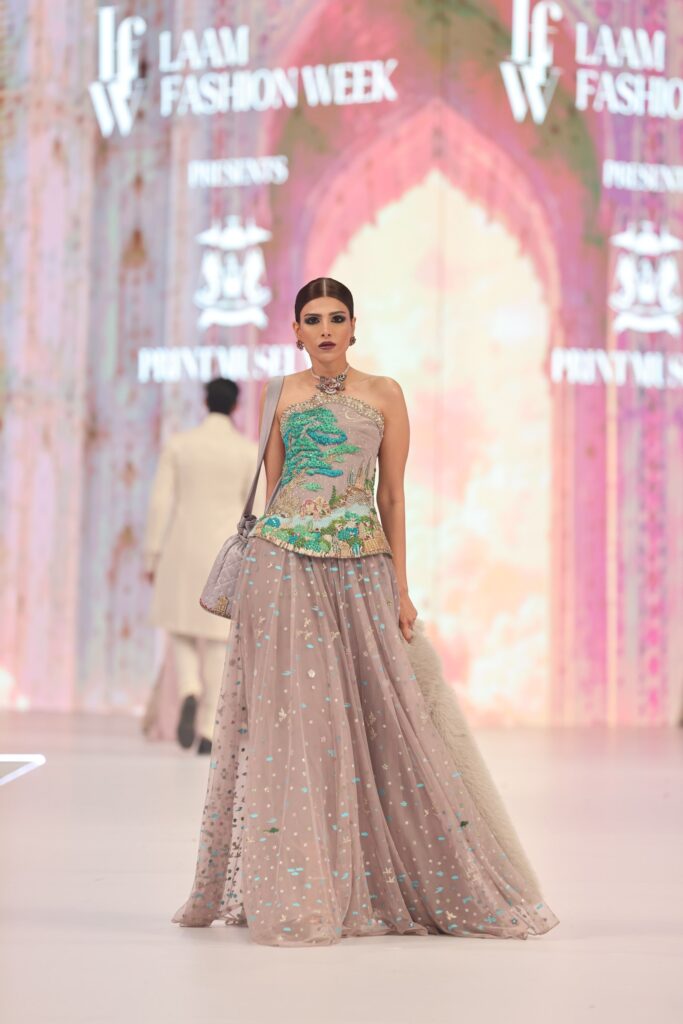
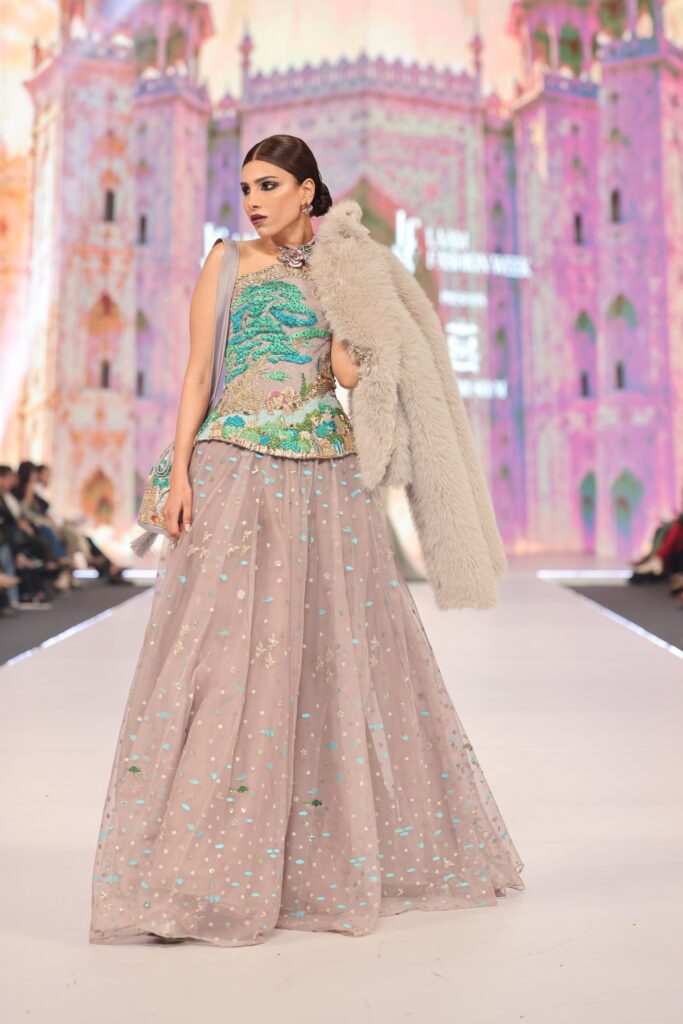
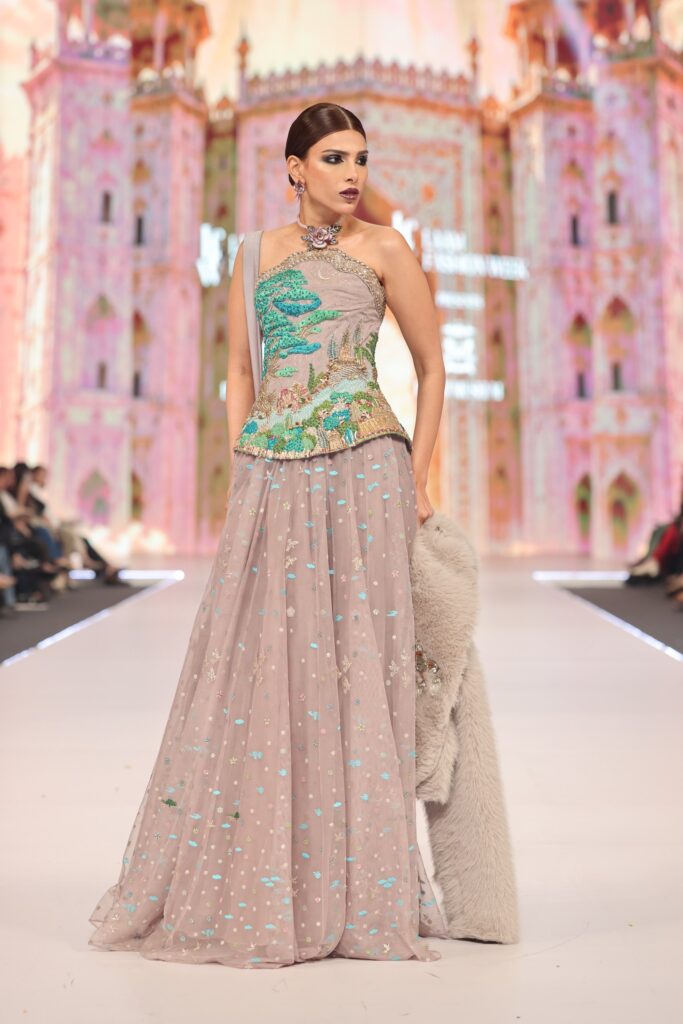
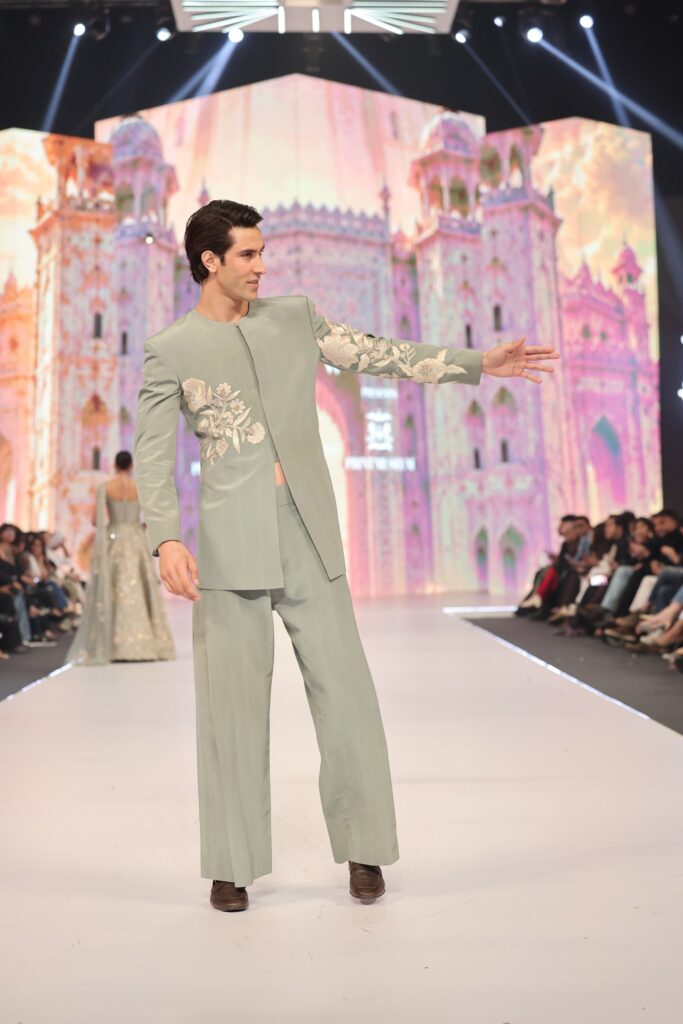
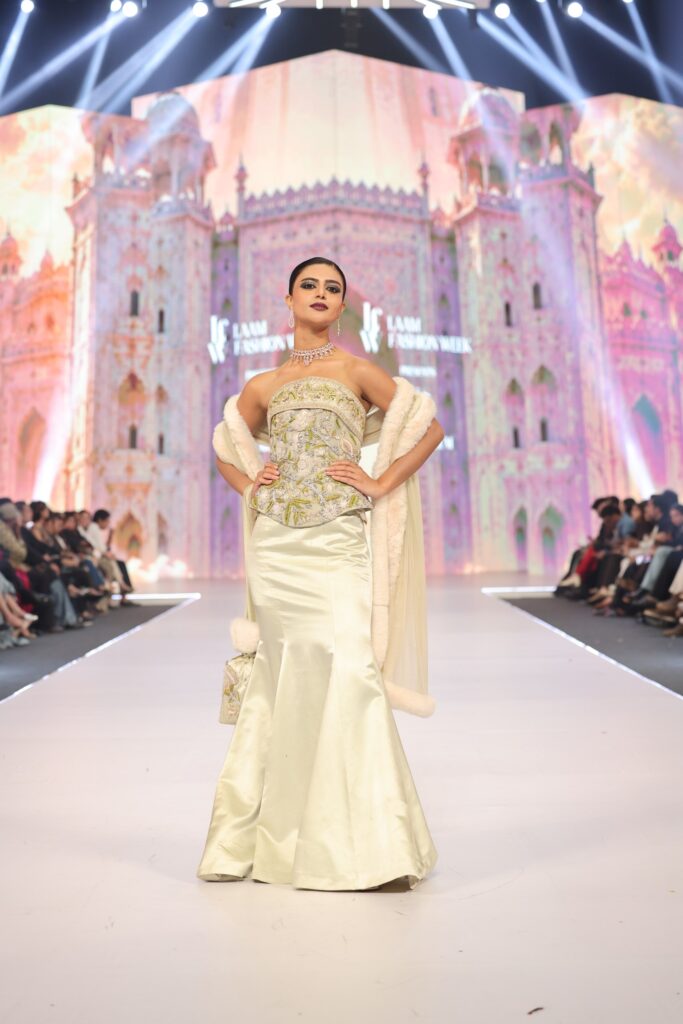
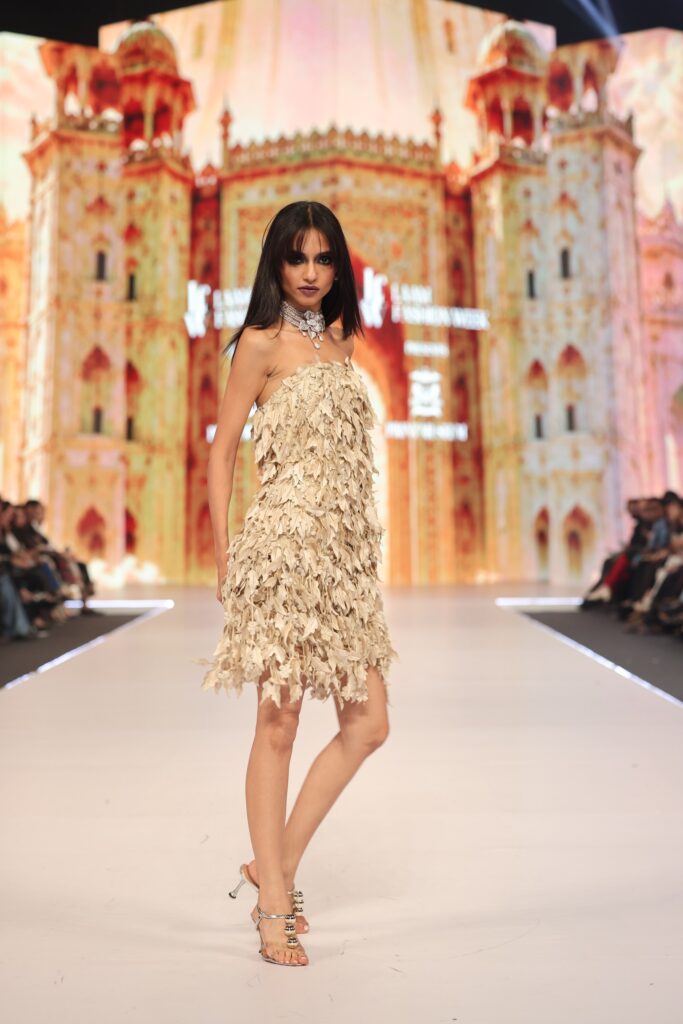
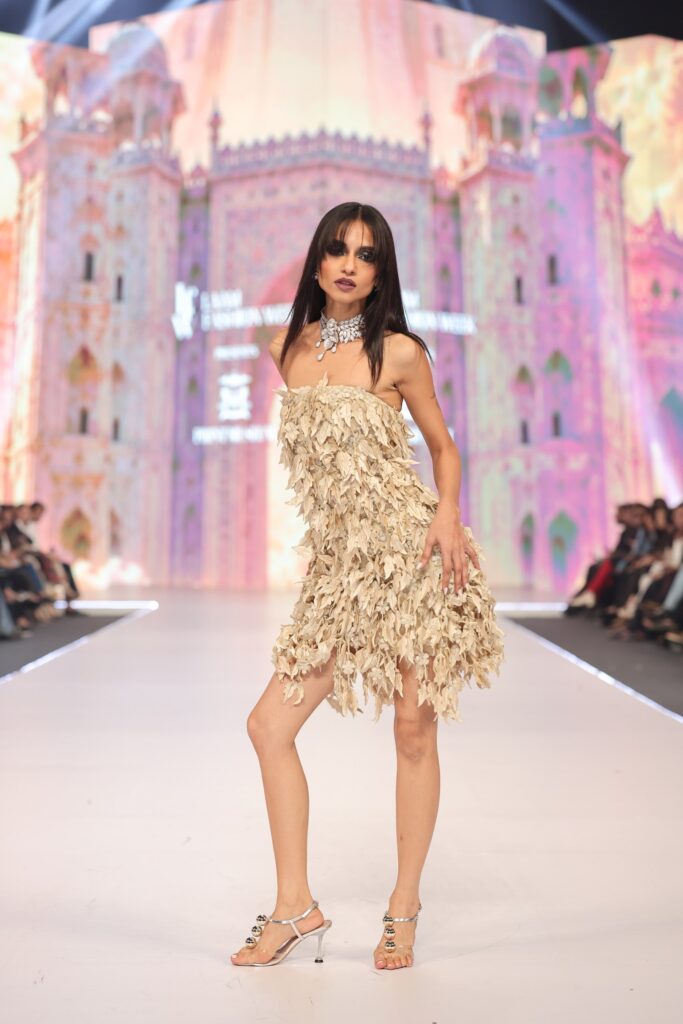
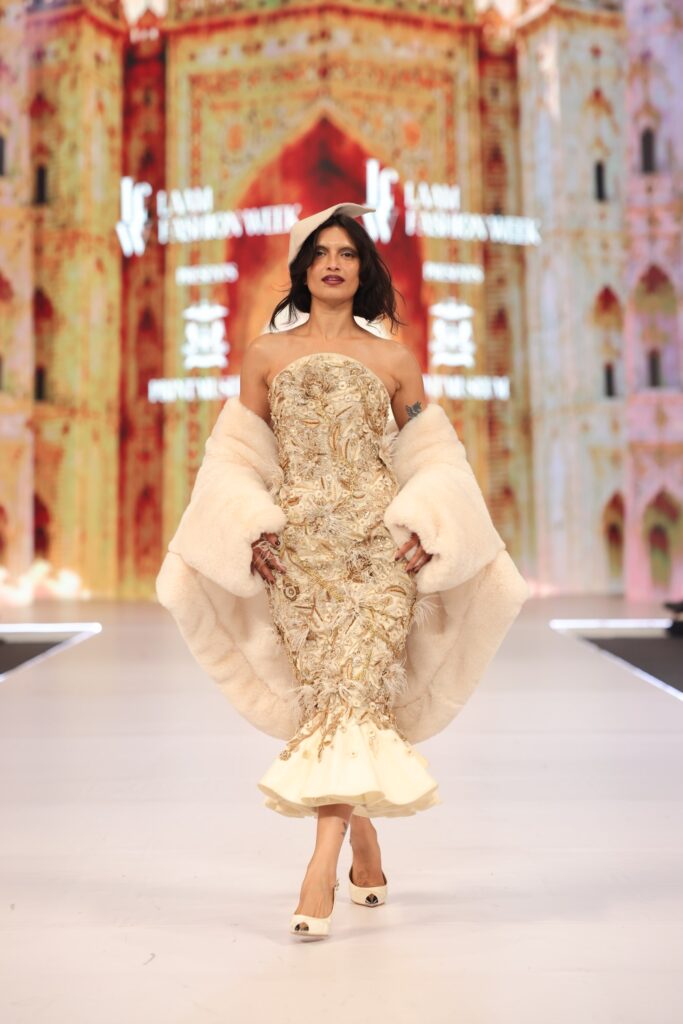
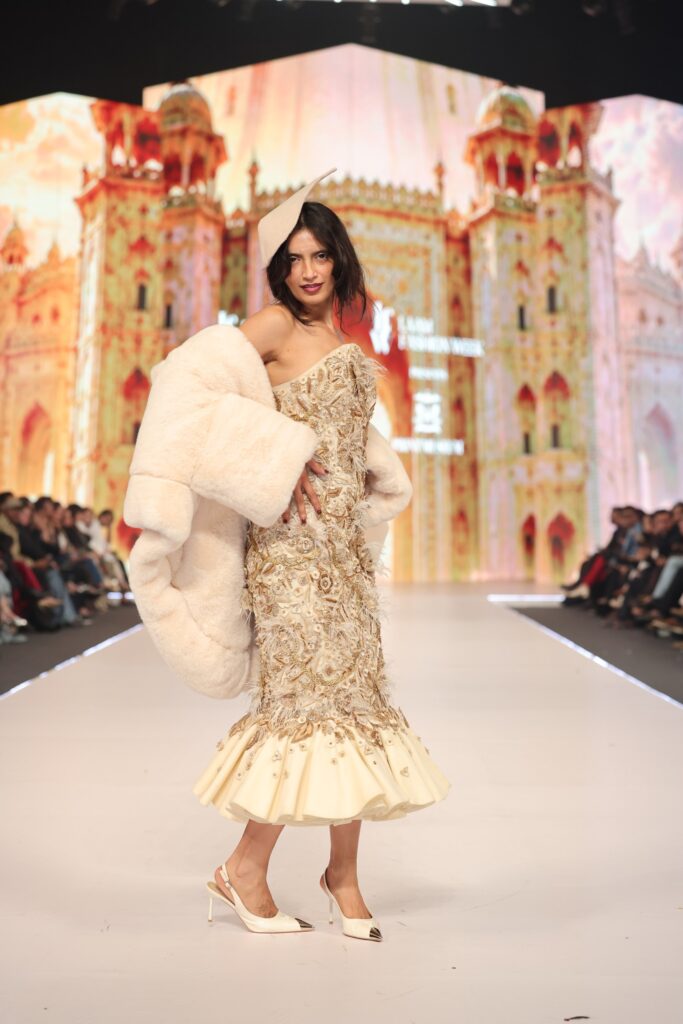
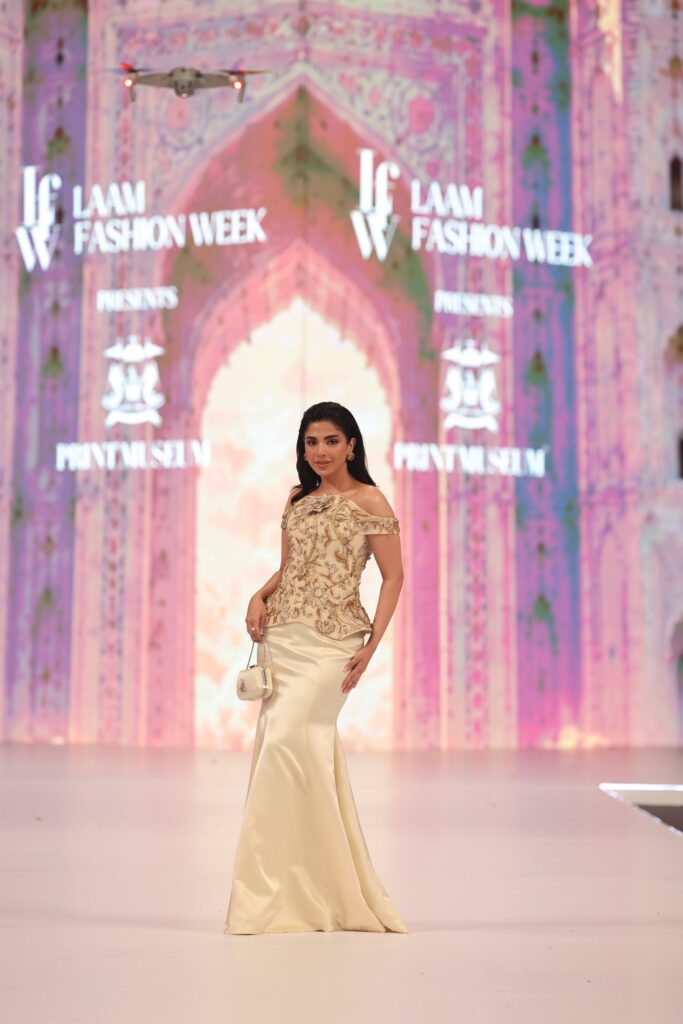
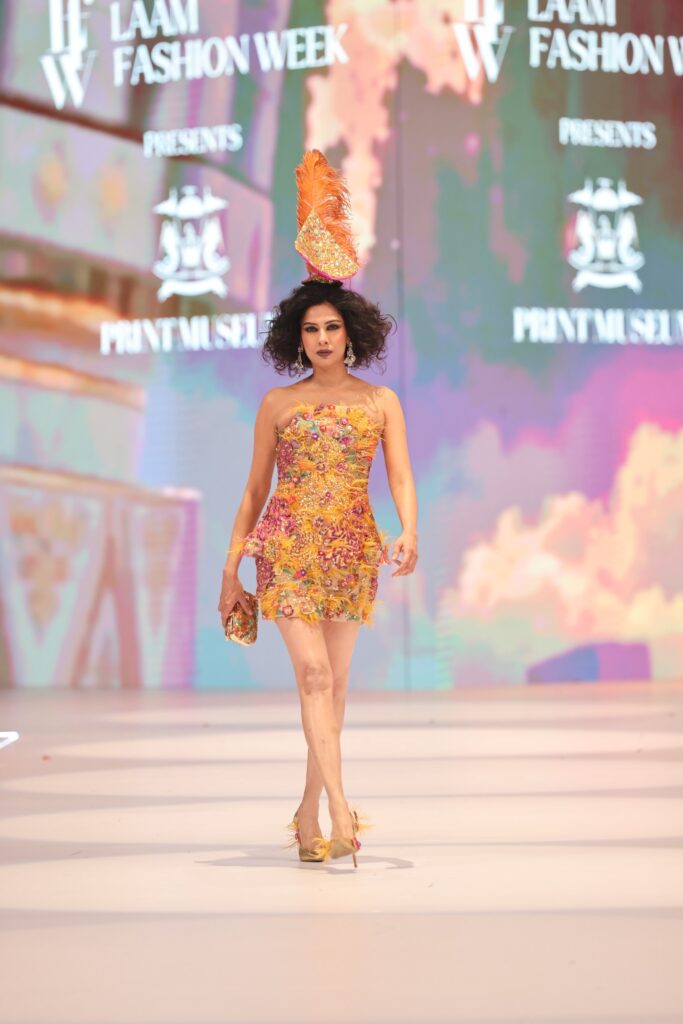
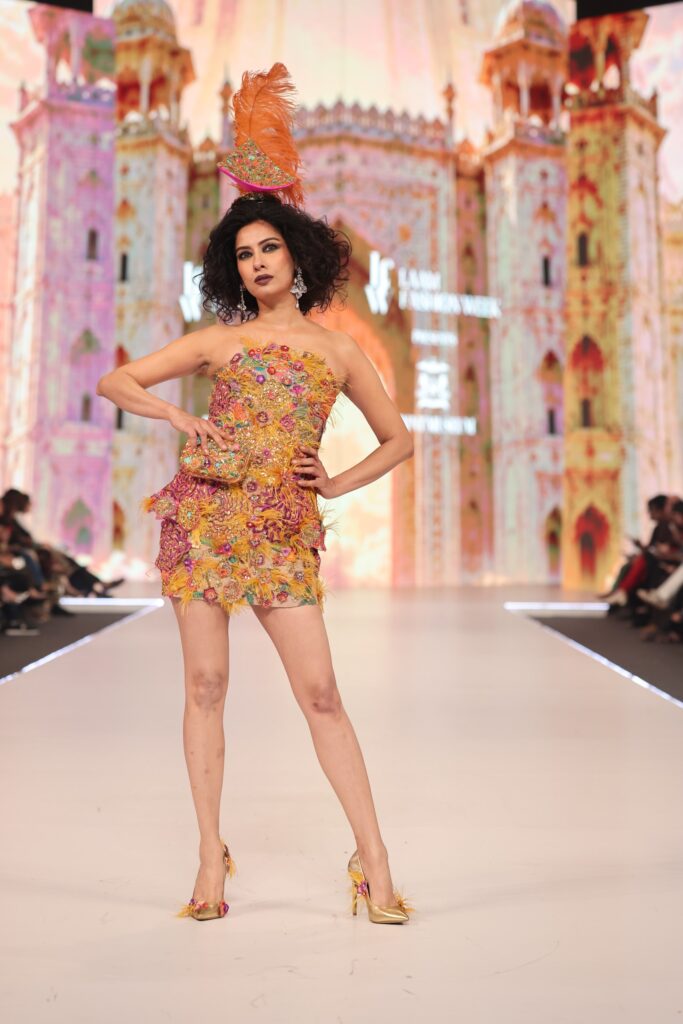
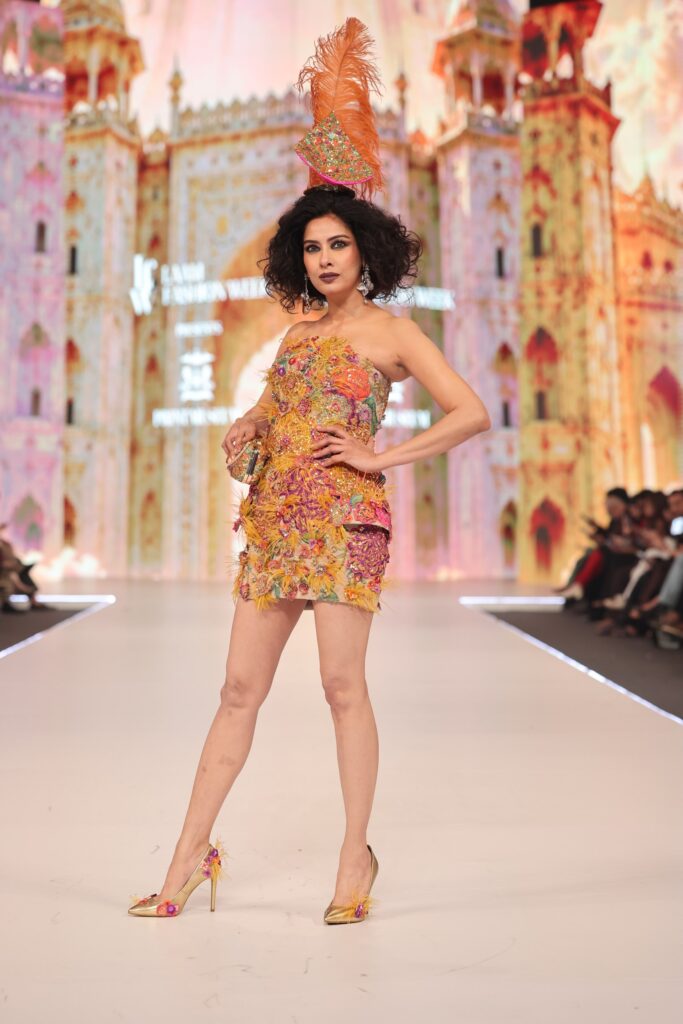
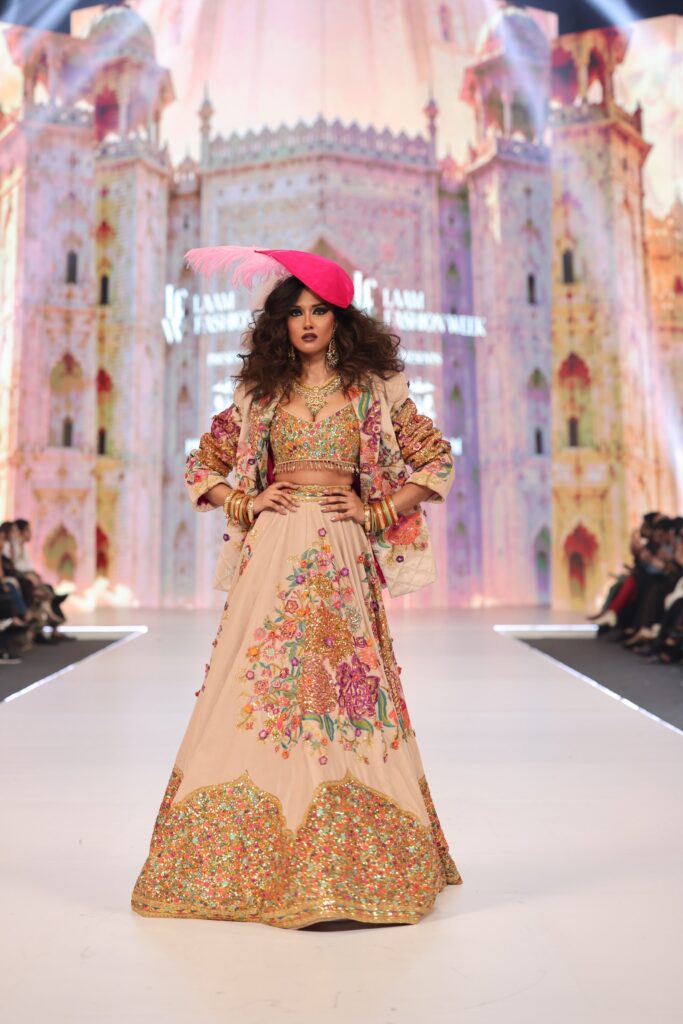
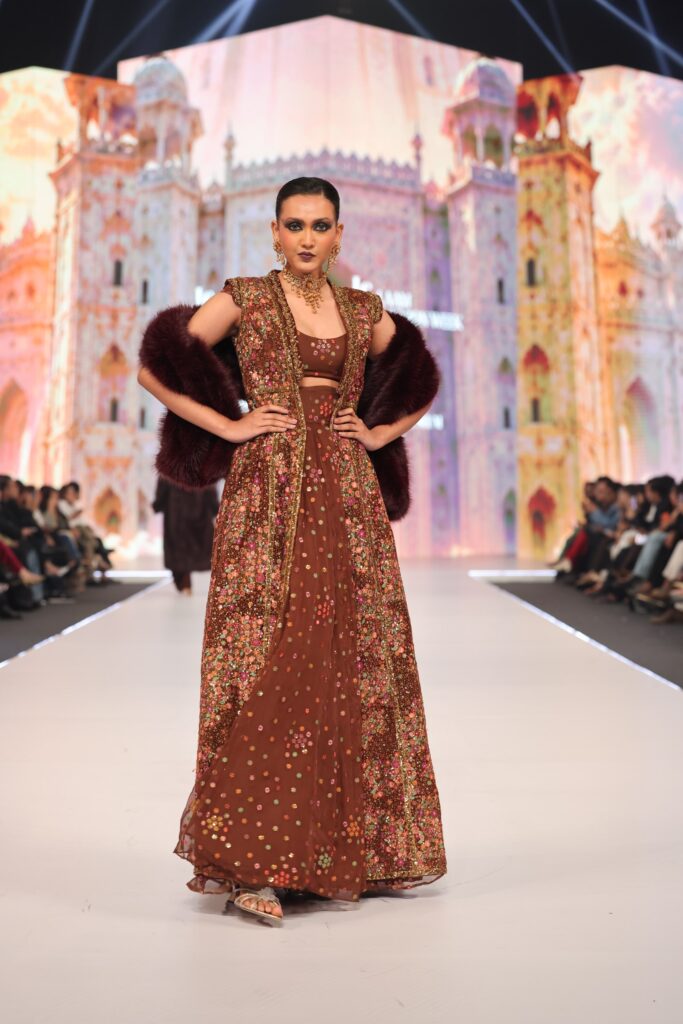
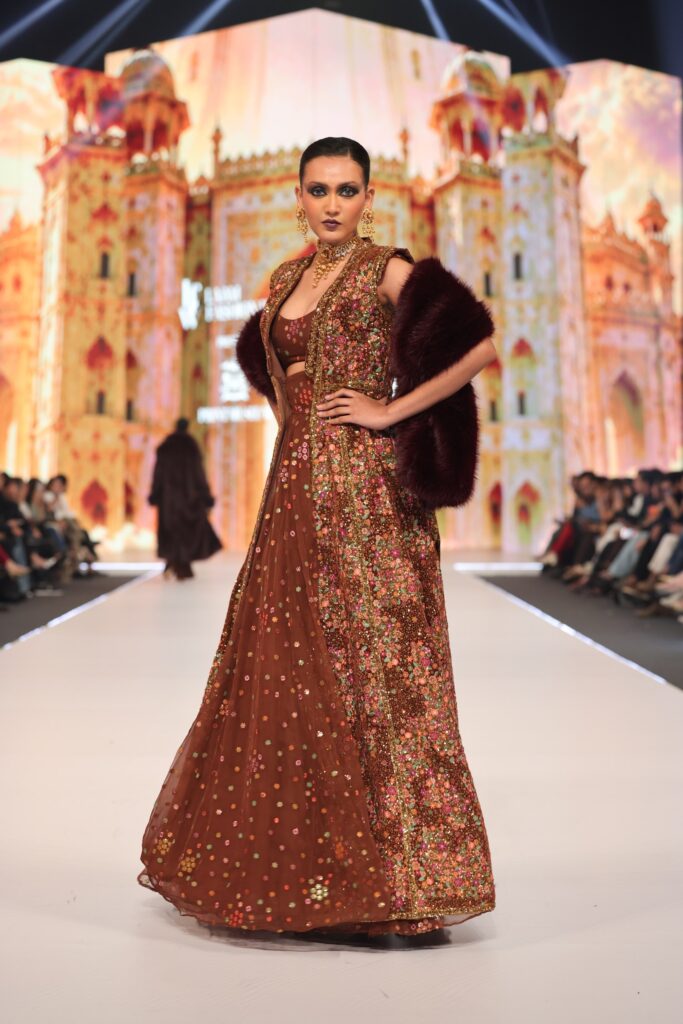
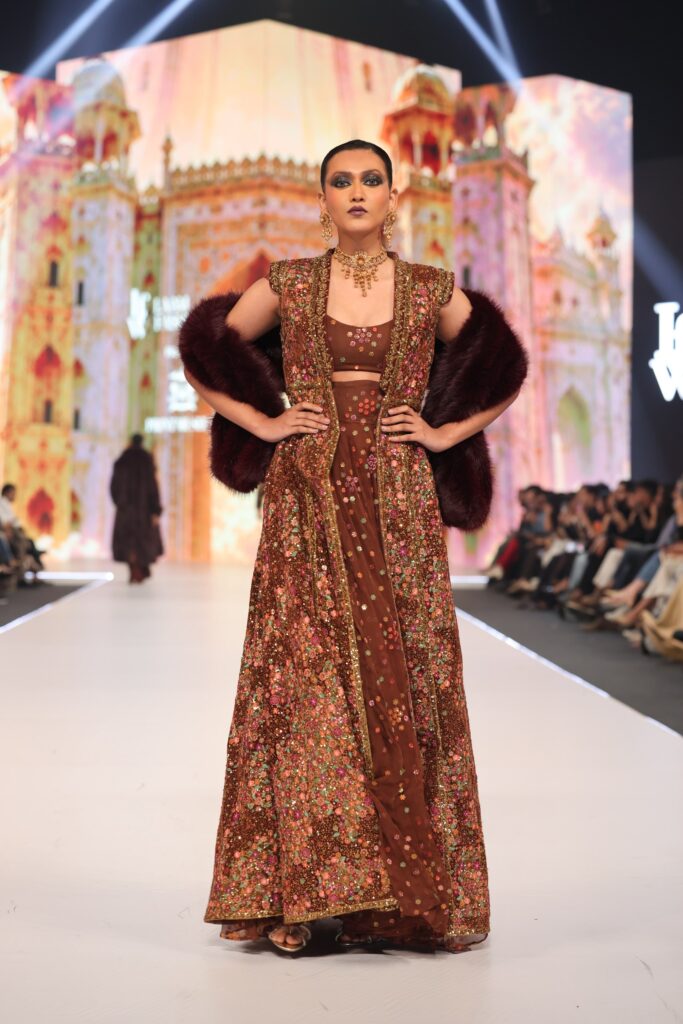
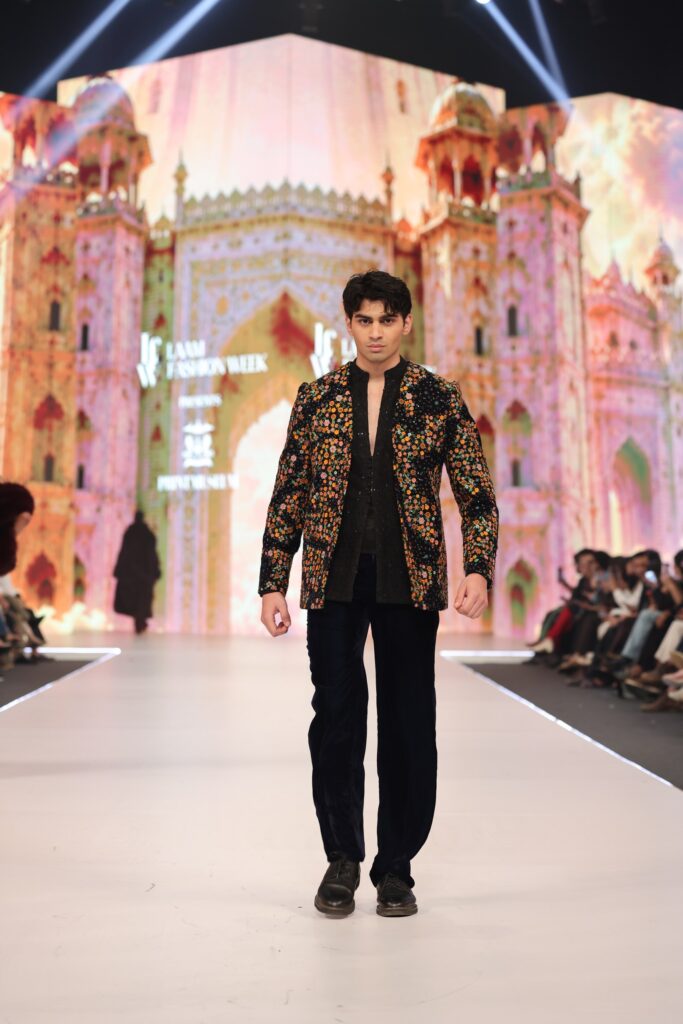
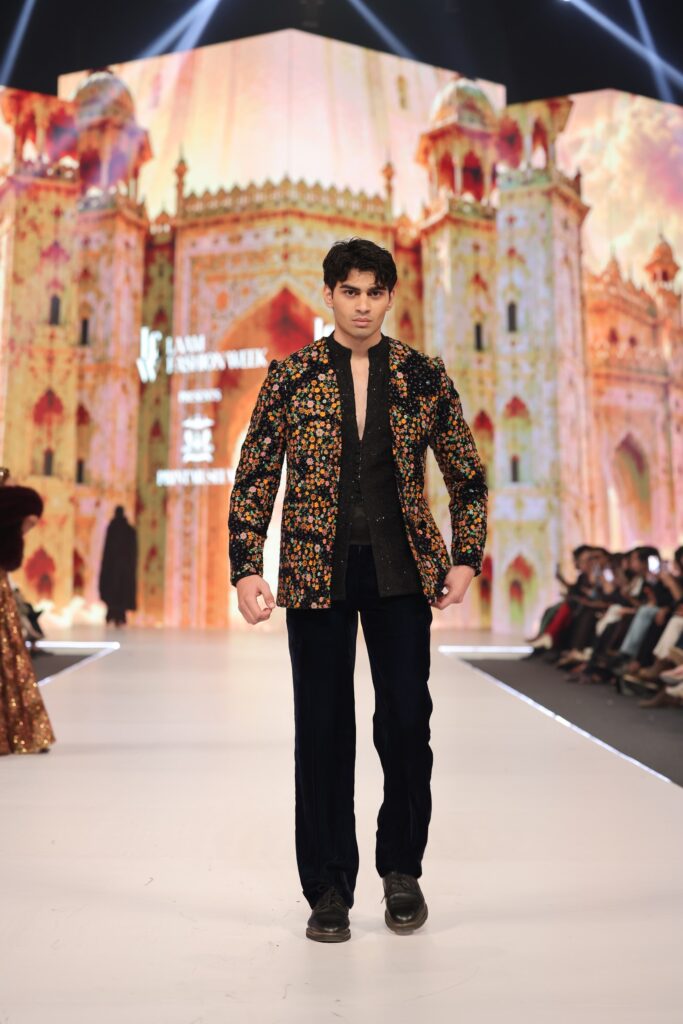
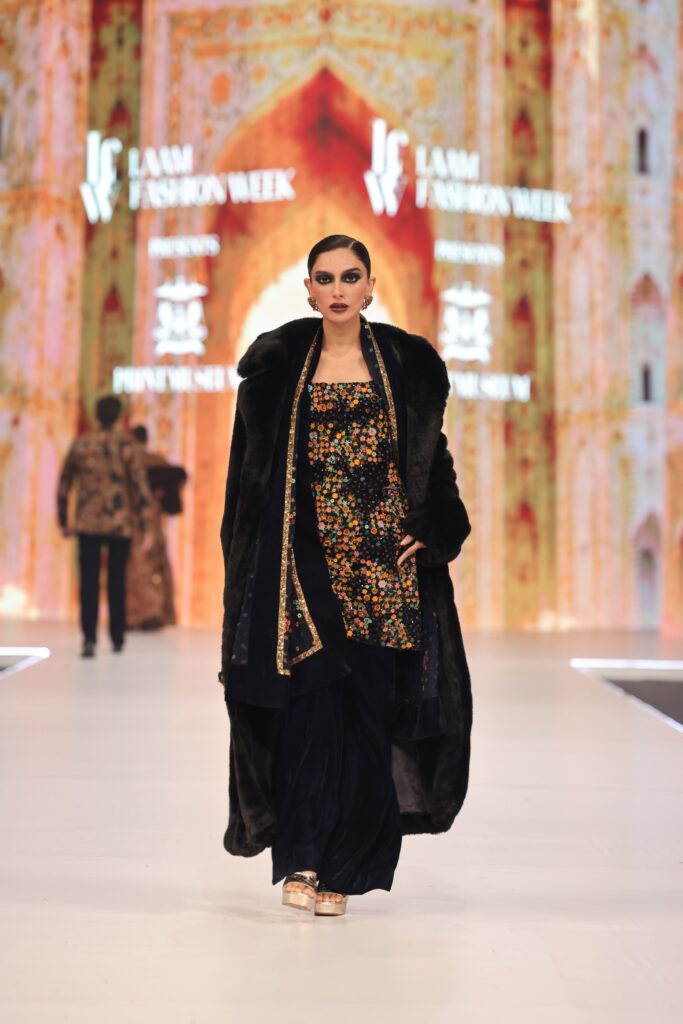
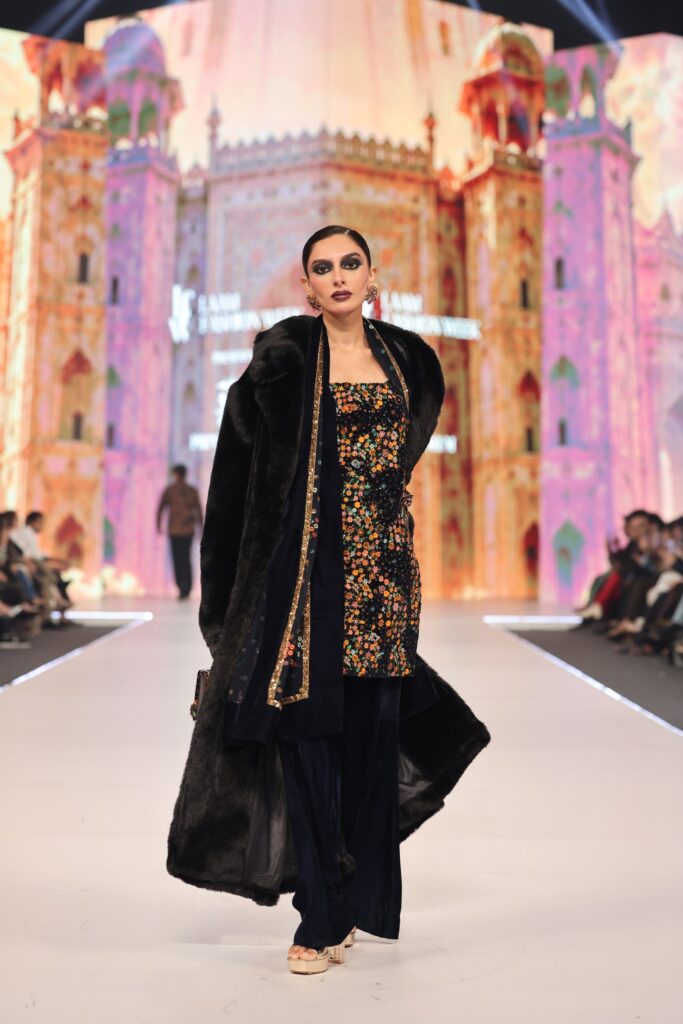
In Fahad Hussayn’s An Atlas of Empires, a flower is never simply a flower. Enlarged beyond familiar proportions, it becomes evidence of how an ornamental idea can travel, change scale and acquire new meaning. That premise shaped Fahad Hussayn Print Museum’s Day 3 conclusion at LAAM Fashion Week.
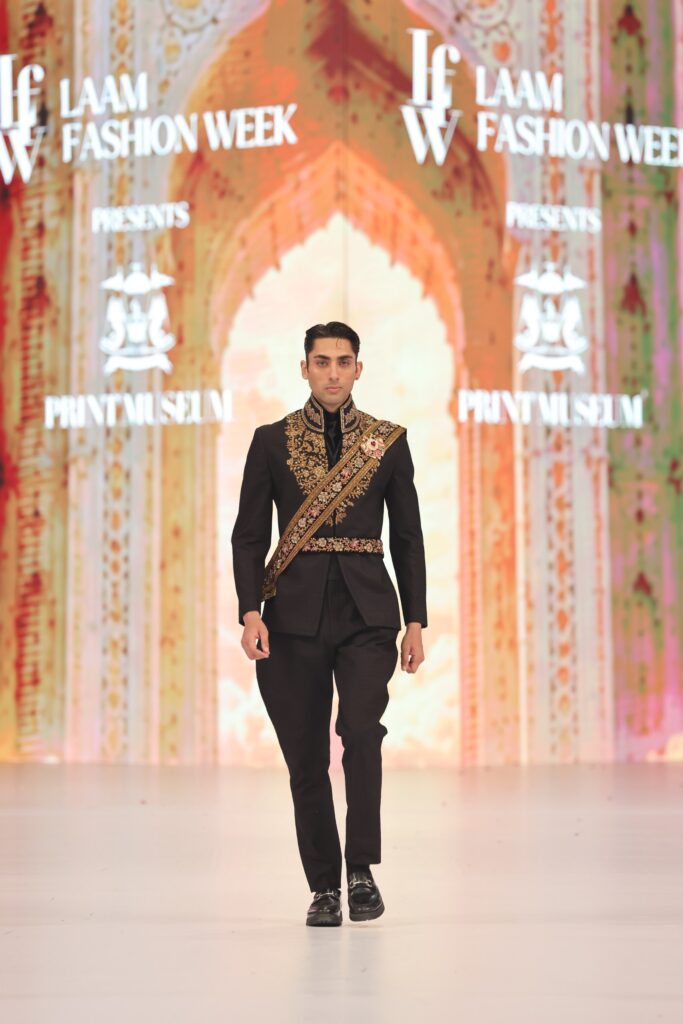
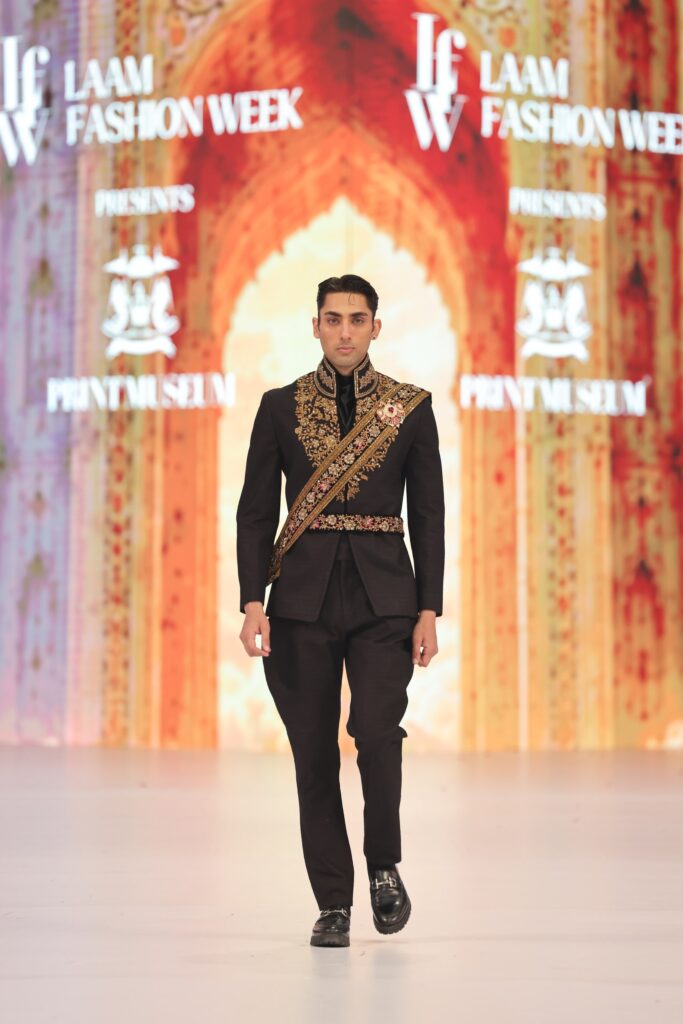
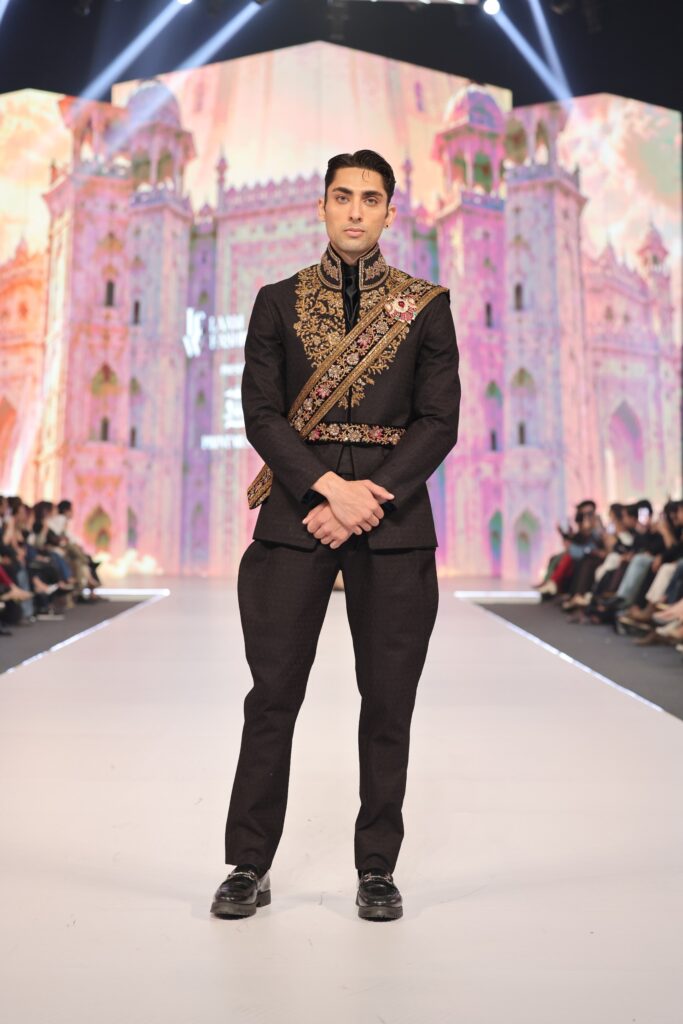
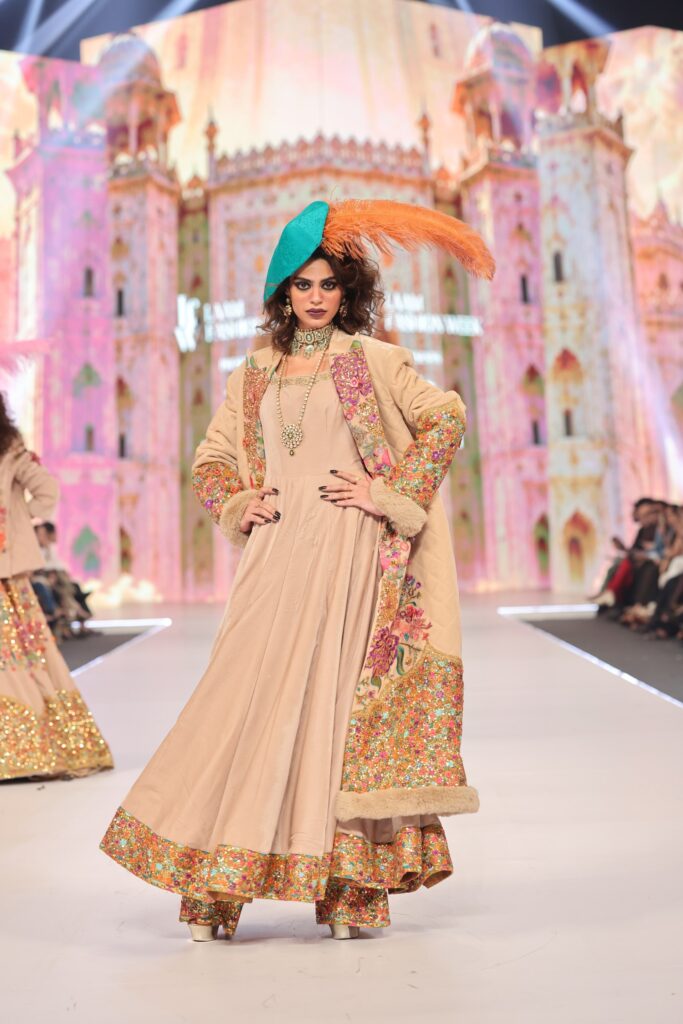
The collection approached the visual histories of Central Asia, Persia, Afghanistan and the Indian subcontinent as exchanges rather than fixed stylistic territories. Lahore Fort supplied a particularly apt reference: a site shaped by successive rulers, with architectural and decorative elements belonging to different periods. Hussayn treated these details as material for new compositions, separating borders from their prescribed positions and disrupting established symmetries.
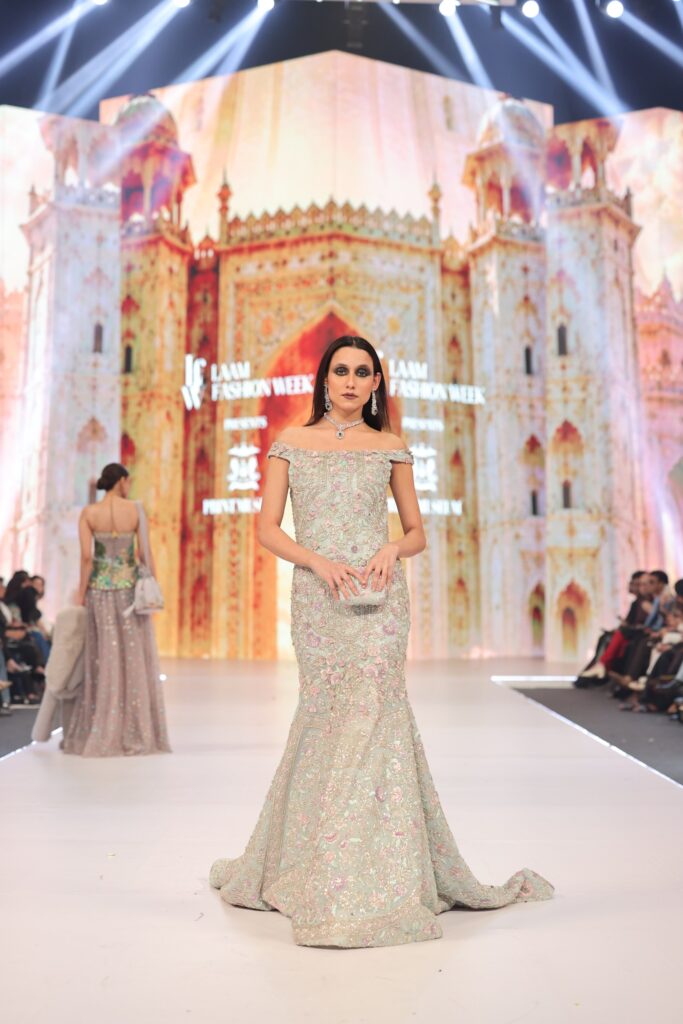
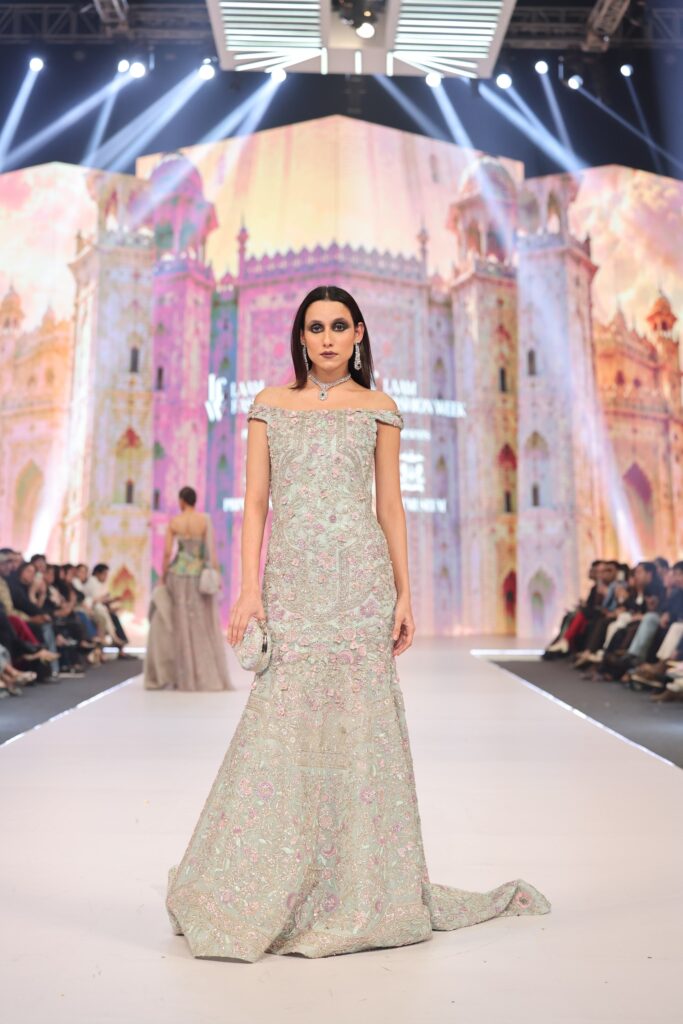
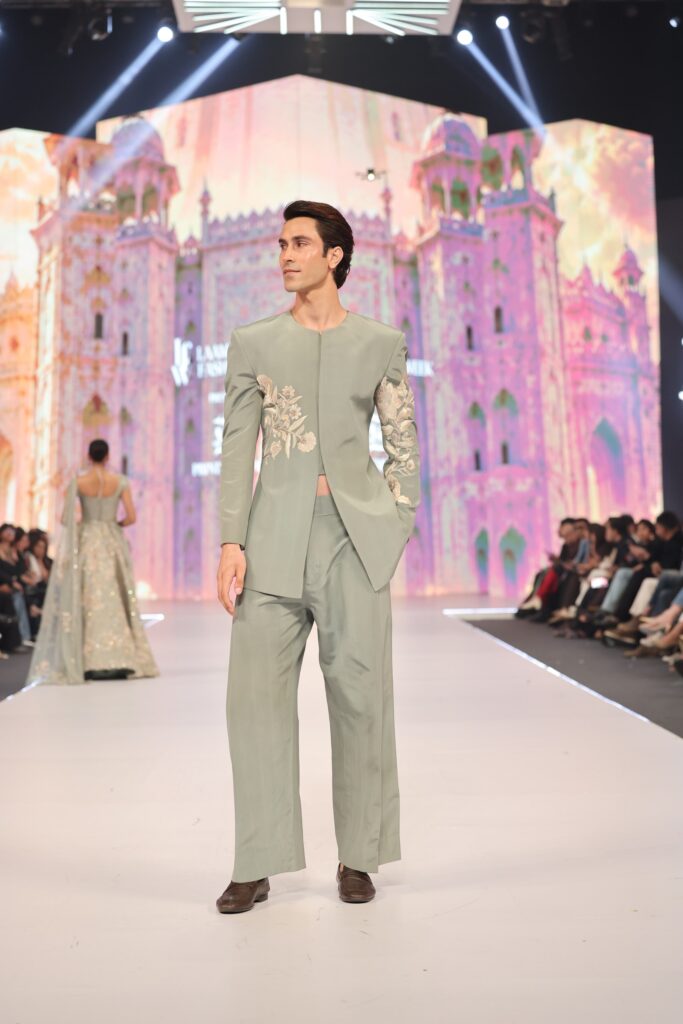
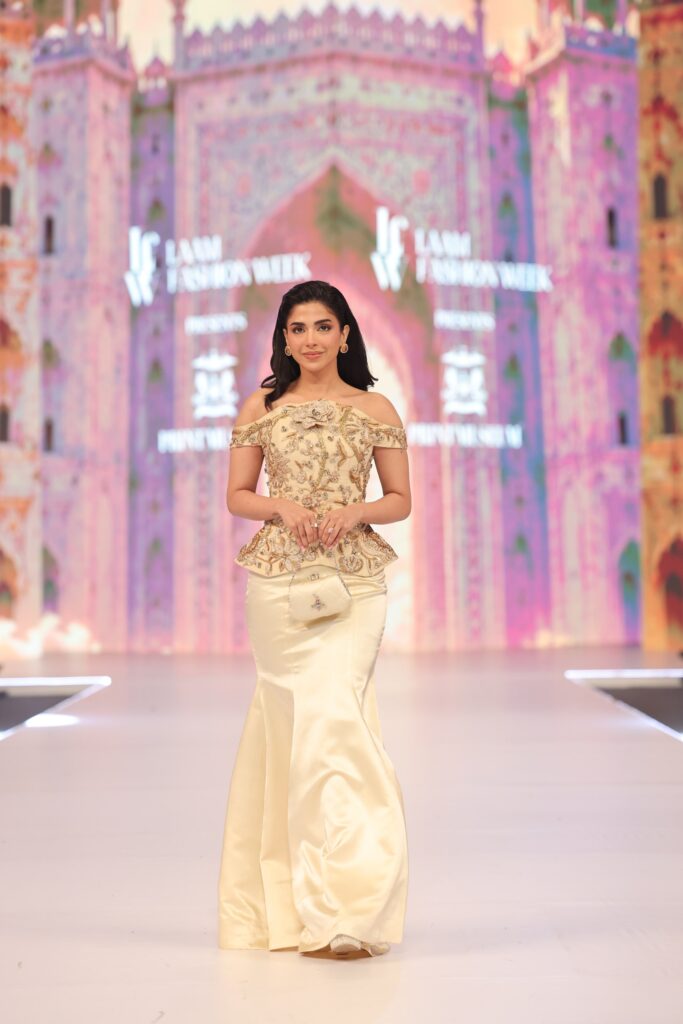
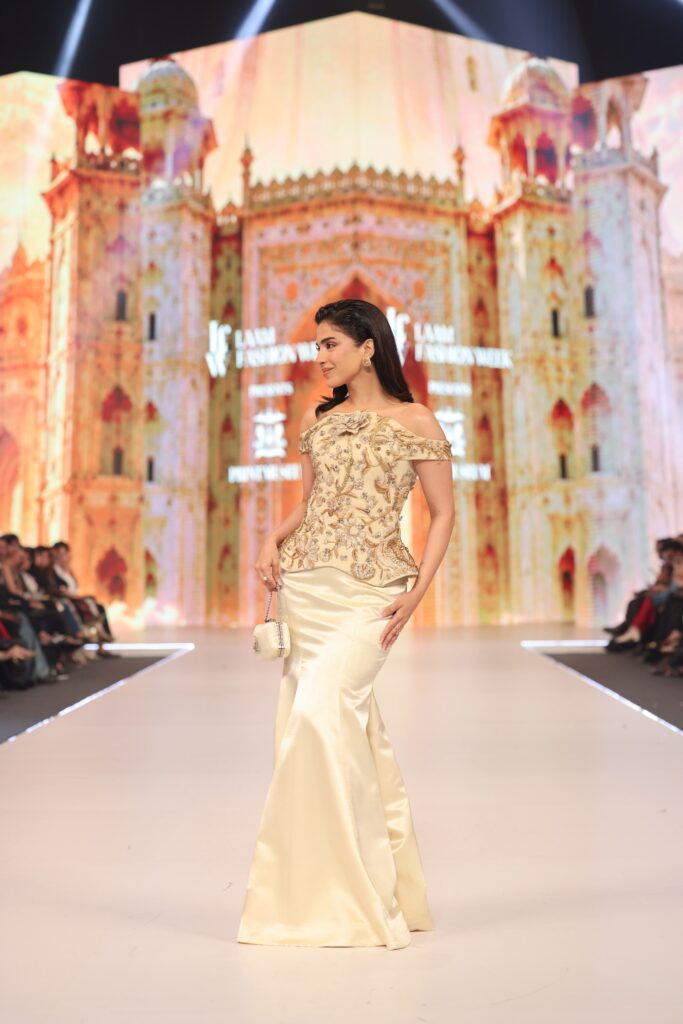
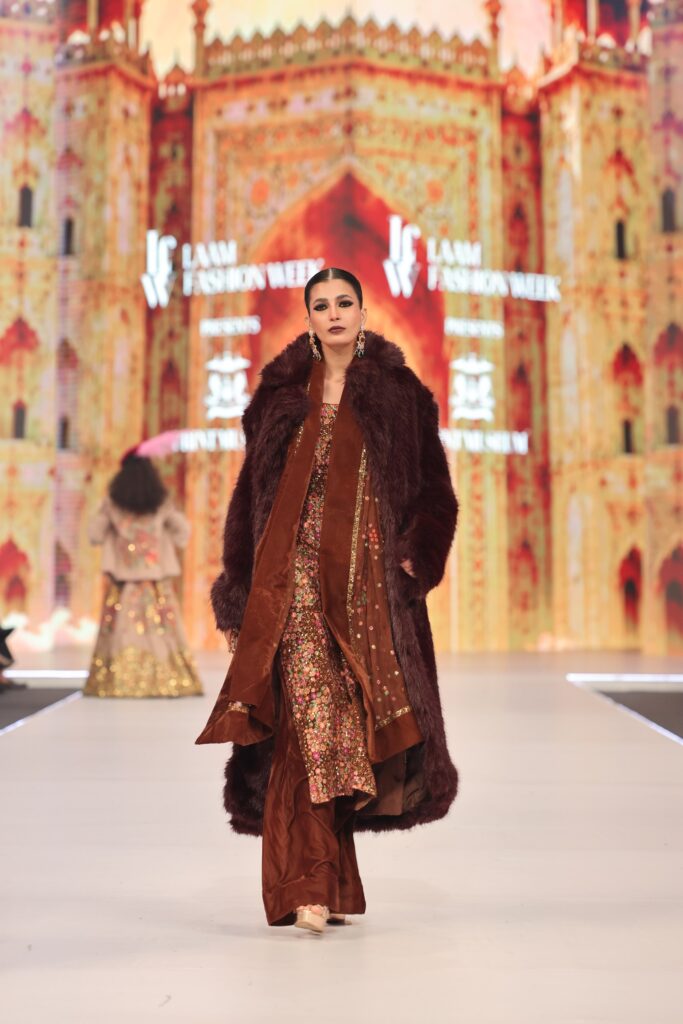
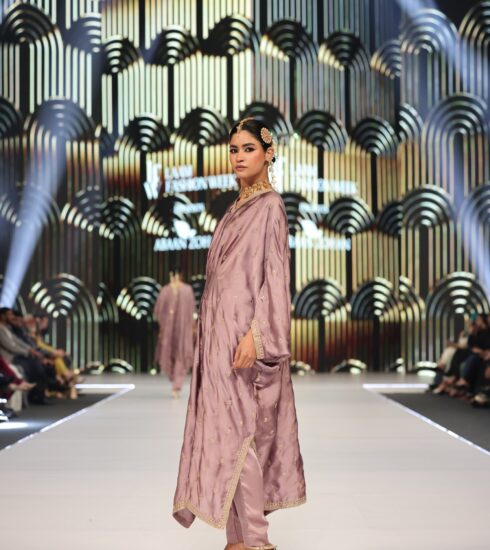
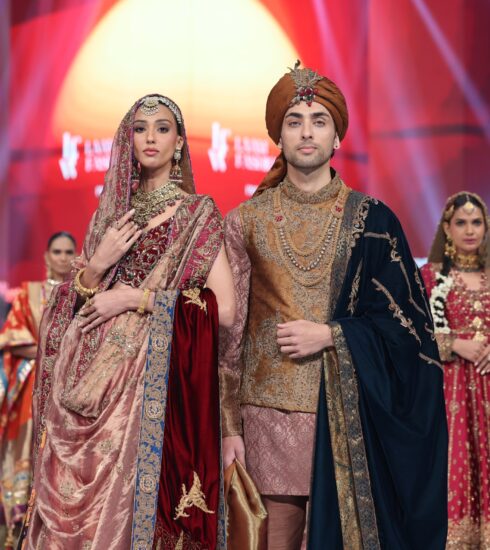
The three ranges developed this approach in different registers. QUTLUGH, within Alta Moda, drew from Central Asian and Chaghatay ancestry, introducing harder geometry, repeated motifs and sculptural couture forms. ATHDARA, for Casbah, took its name from the Sikh-period eight-opening pavilion beside the Sheesh Mahal. Here, enlarged flowers and displaced architectural fragments challenged conventional ornamental arrangements.
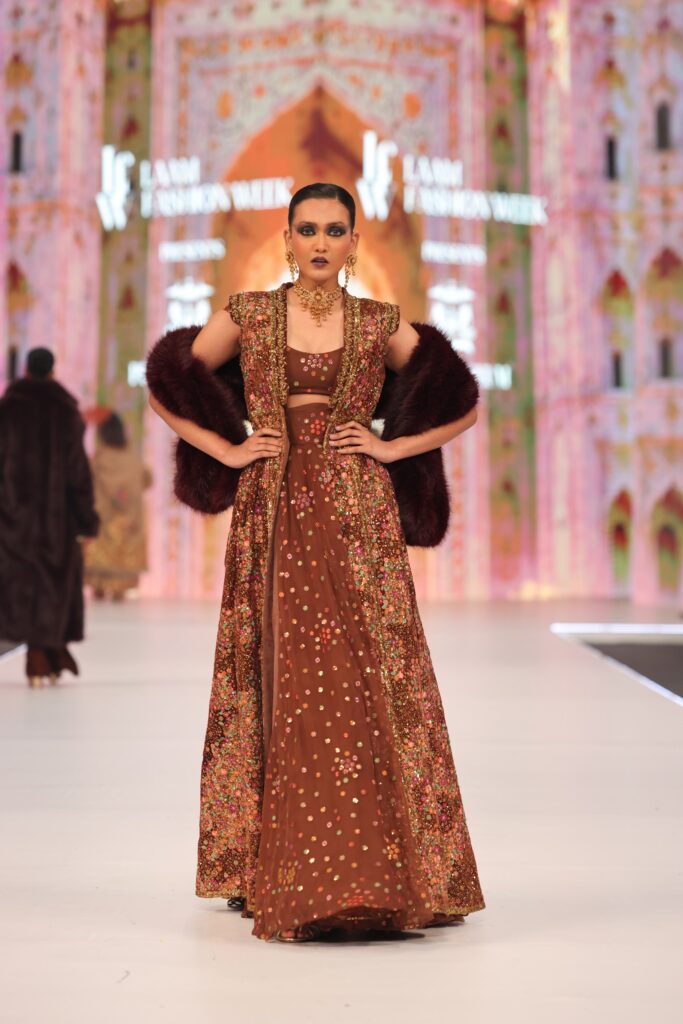
KHANZADA, the Signature Weddings range inspired by Khanzada Begum, carried this experimentation into ceremonial dressing. Geometry grew increasingly intricate, while dense, layered embellishment followed architectural compositions across contemporary wedding silhouettes.
What distinguished An Atlas of Empires was its treatment of historical ornament as something capable of further evolution. Rather than preserving motifs in their original arrangements, Hussayn examined how their meaning changes when scale, placement and purpose are altered.