
Sarees, Ghararas and the Handcrafted Details That Define Hathghar’s Khazana


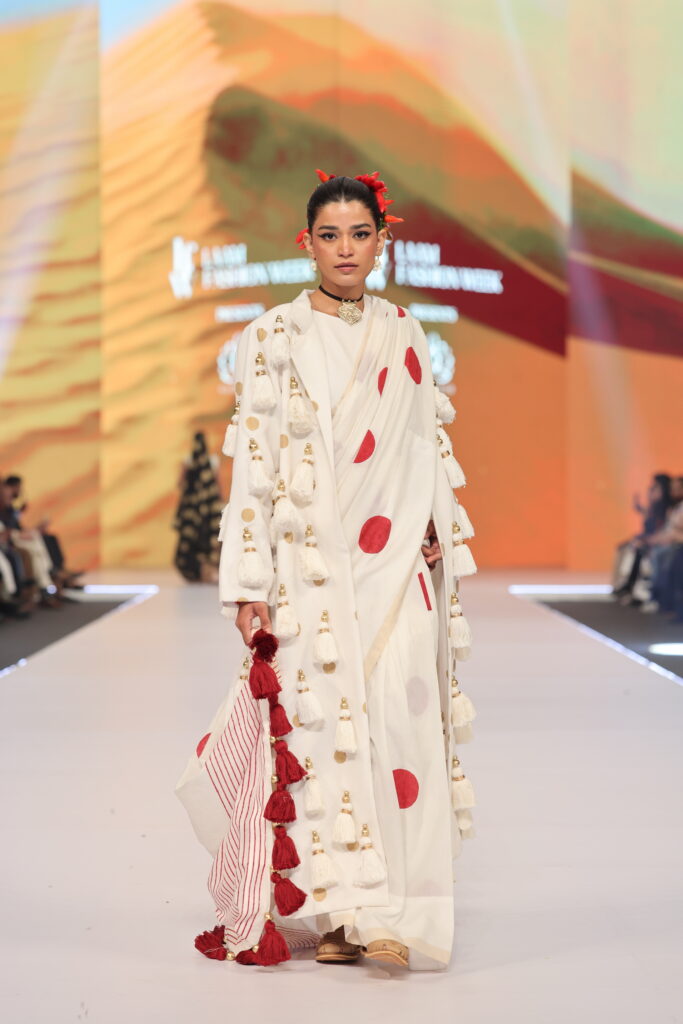
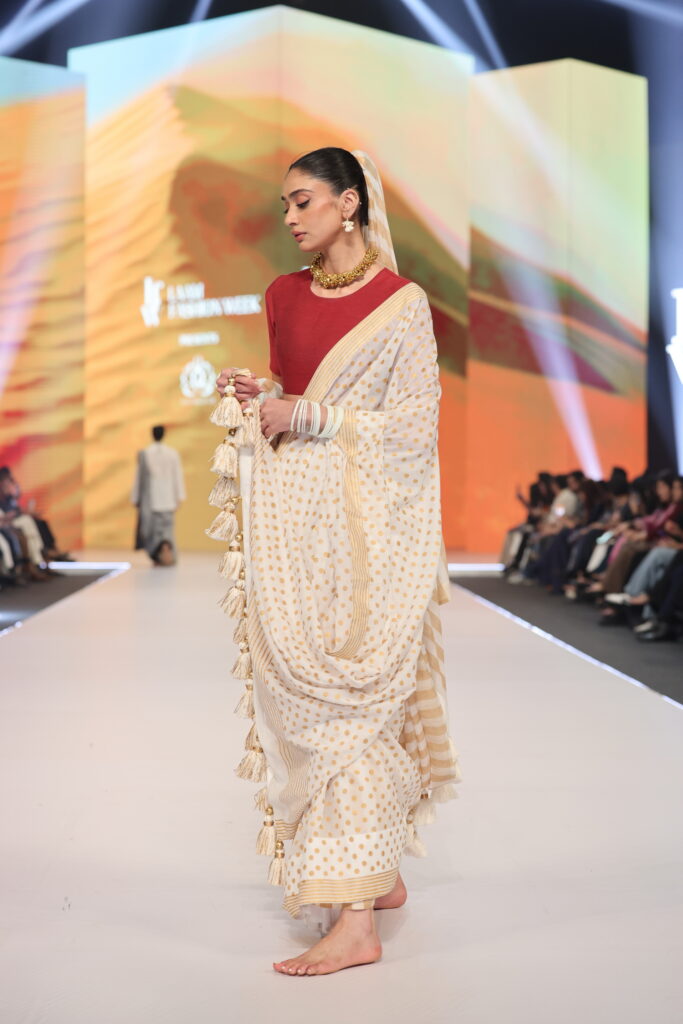
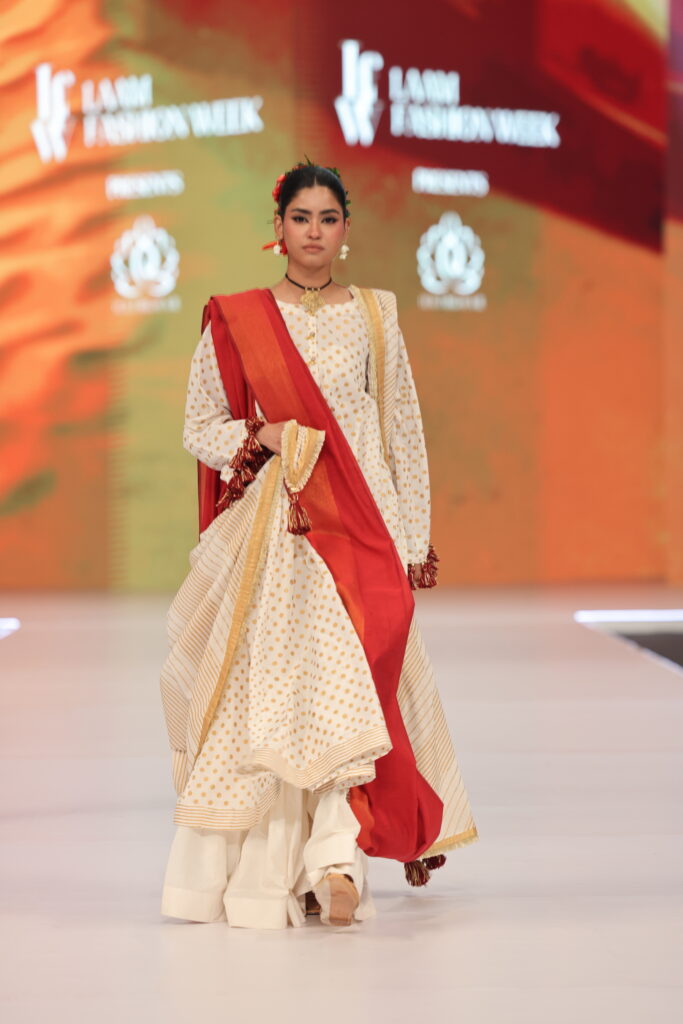
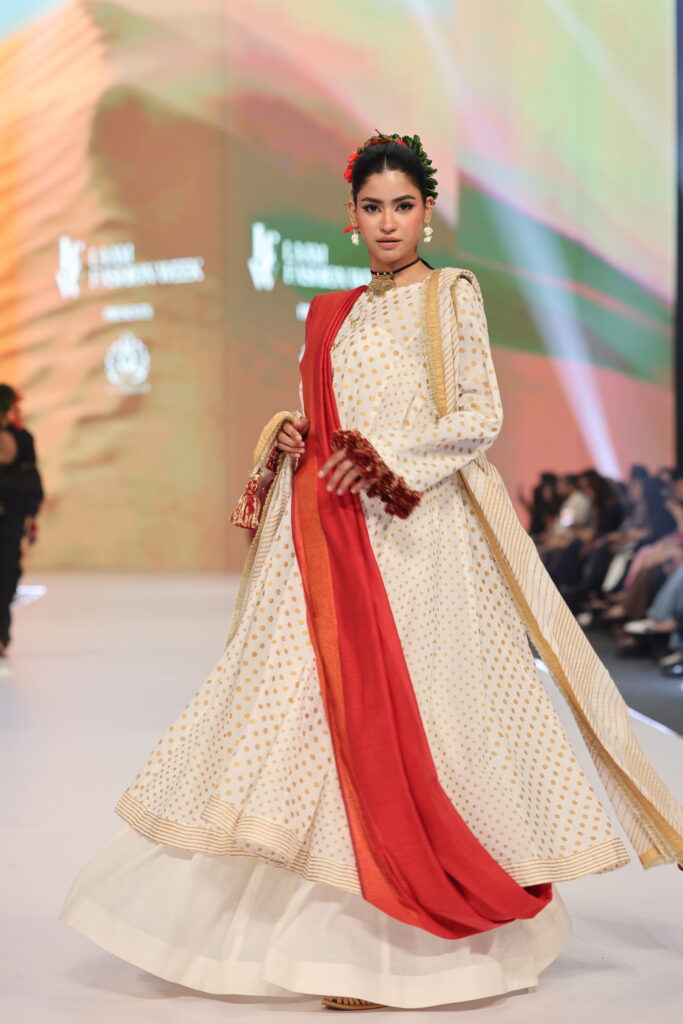
A bindi is small, but its significance rarely is. In Hathghar’s Khazana: A Tale of Craftsmanship, the symbol associated with femininity and artistic expression takes on another life as a recurring polka-dot motif. It gives the collection a recognisable visual identity without asking the garments themselves to become unfamiliar.
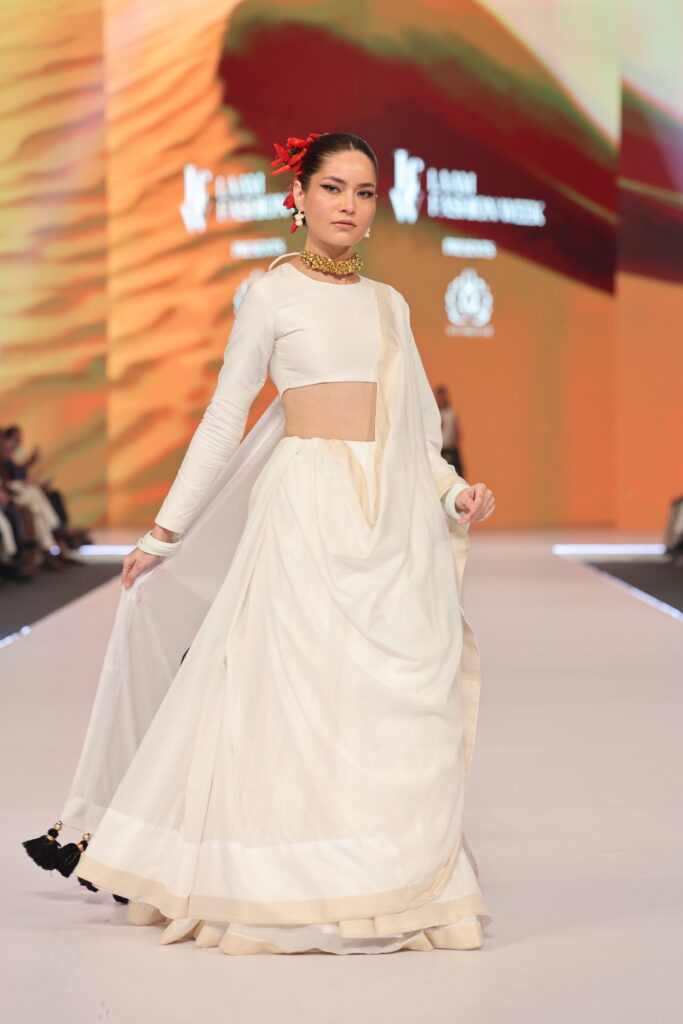
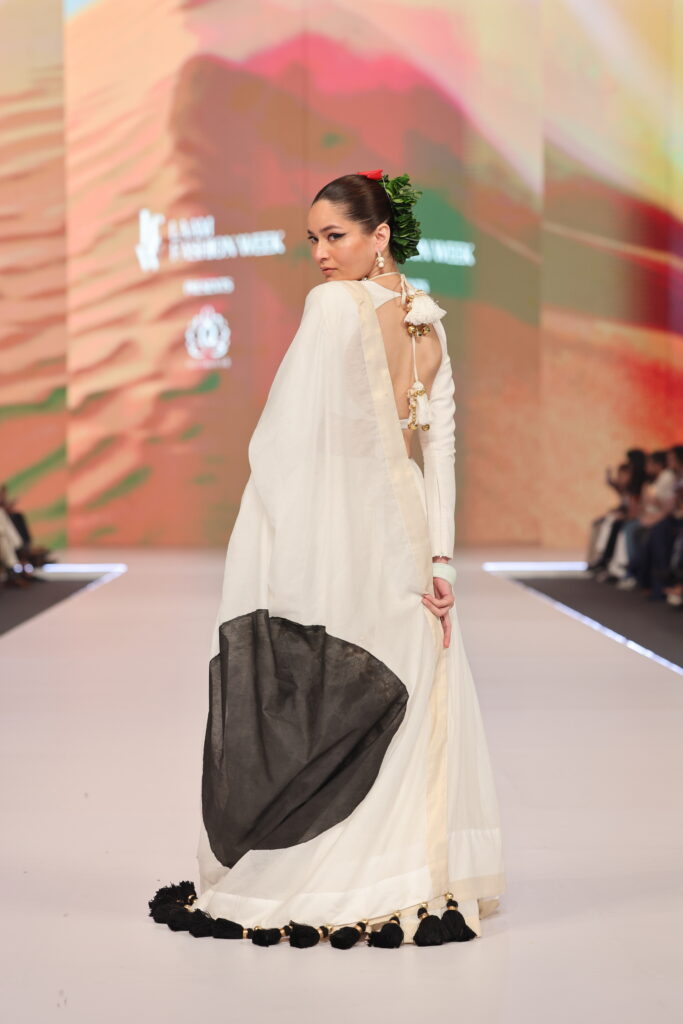
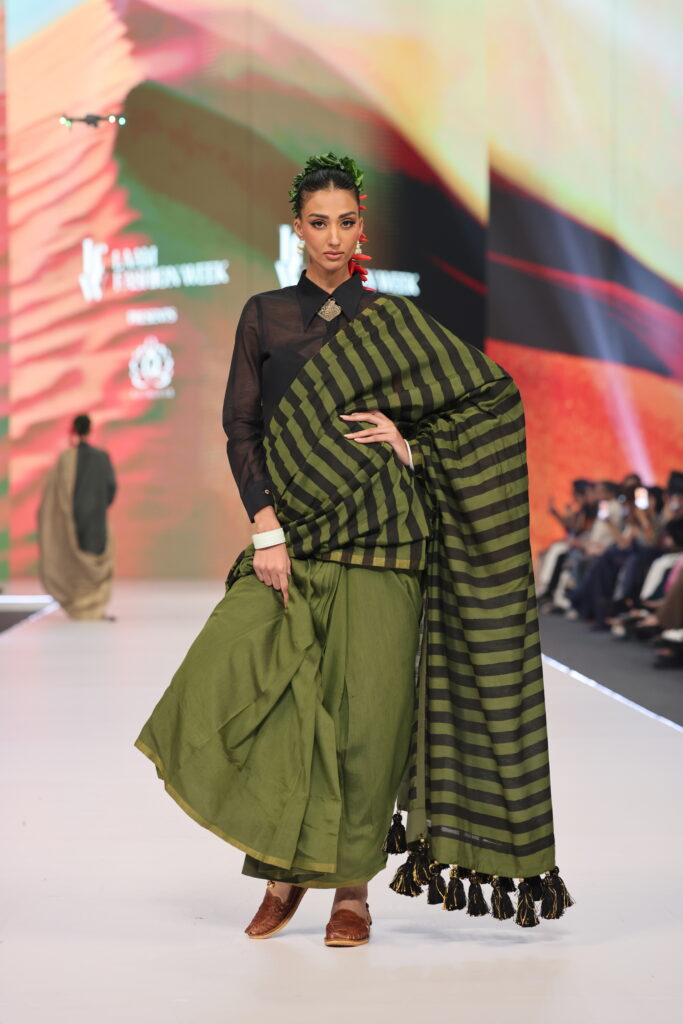
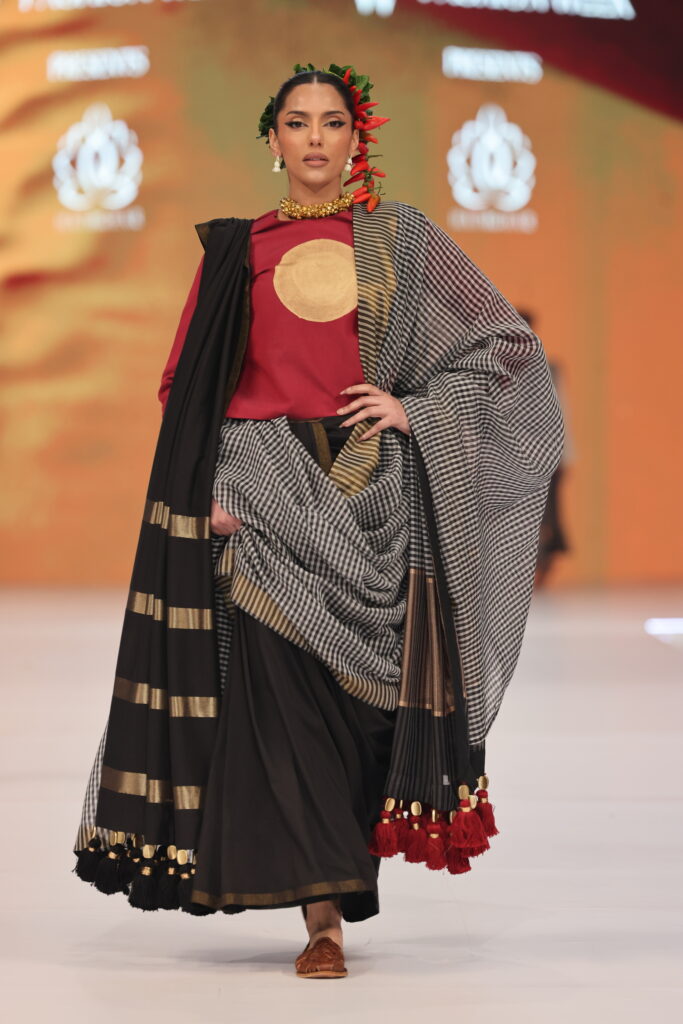
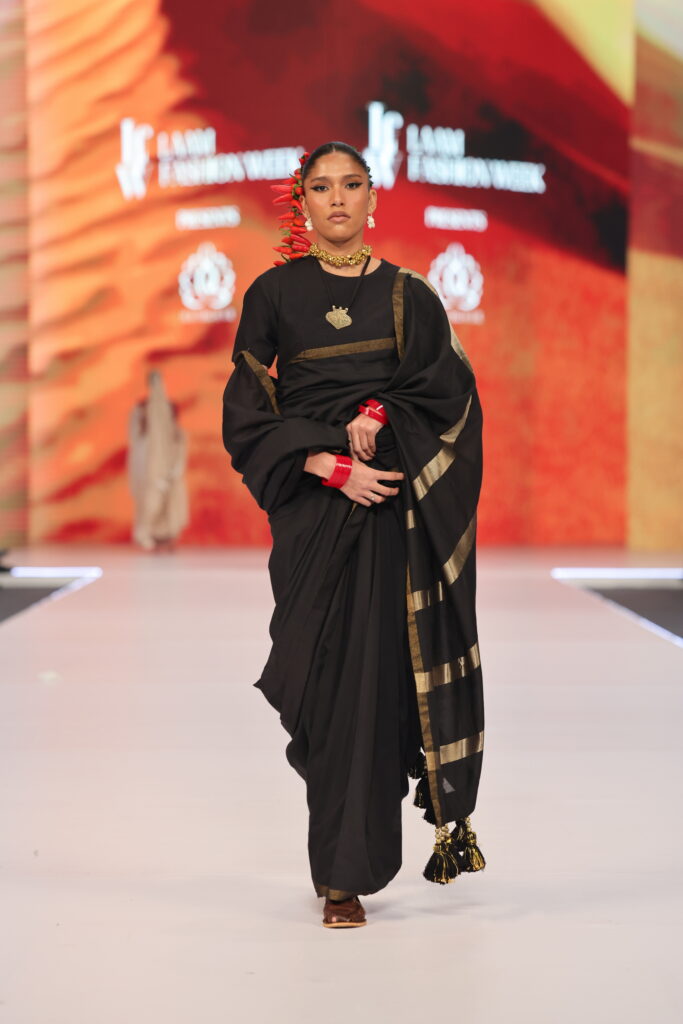
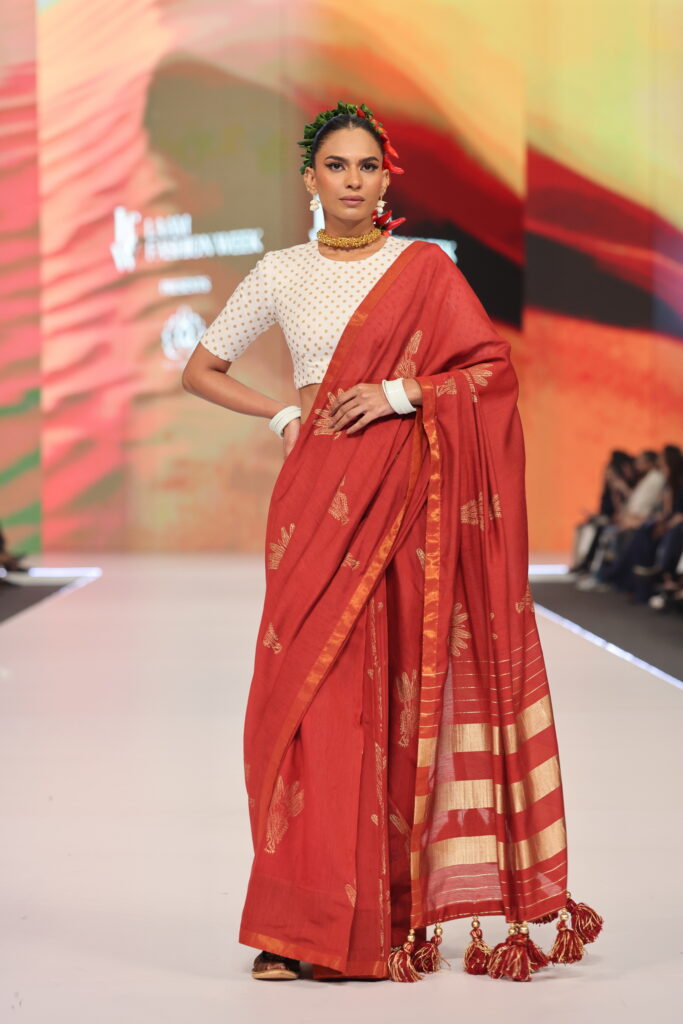
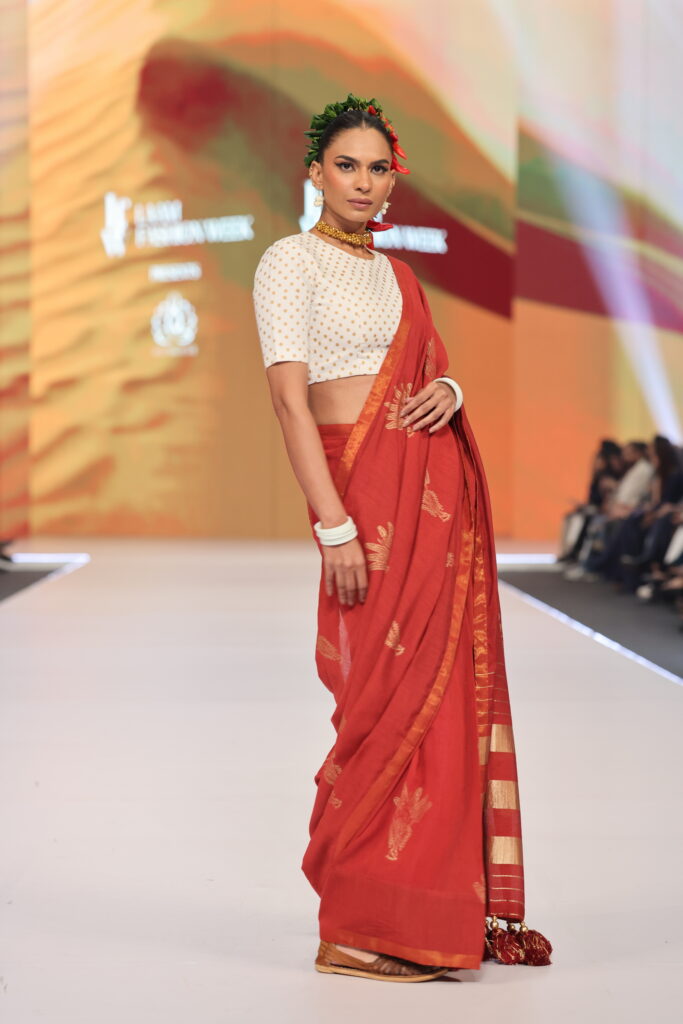
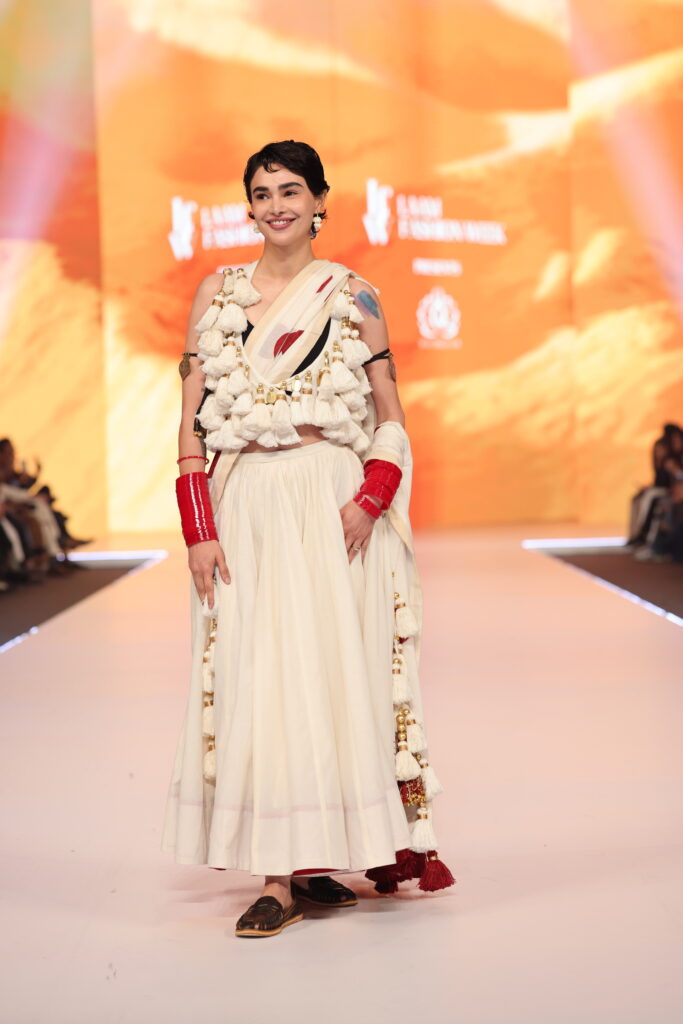
The silhouettes belong to an established South Asian wardrobe: sarees, kalidar kurtas, ghararas and churidaars. Their different proportions and ways of wearing cloth provide variety, while the attention shifts towards the textiles and finishing details that distinguish each piece.
Handblock printing and handloom weaving form the foundation of Khazana’s craftsmanship. Beads, handmade motifs and tassels invite closer inspection, revealing the importance of artisanal techniques to the collection. The earthy palette draws its references from geography and culture, allowing the relationship between colour, surface decoration and traditional dress to emerge without unnecessary embellishment.
Hathghar describes these pieces as evergreen, an ambition that places longevity ahead of seasonal novelty. It is an approach that relies on the continued relevance of familiar silhouettes, supported by the skills of the artisans who produce them. In Khazana, the smallest decorative choices carry considerable weight, particularly when they belong to a visual language already familiar to generations of South Asian women.