The Dupatta Gets Its Due in ALLYS’s Diwani

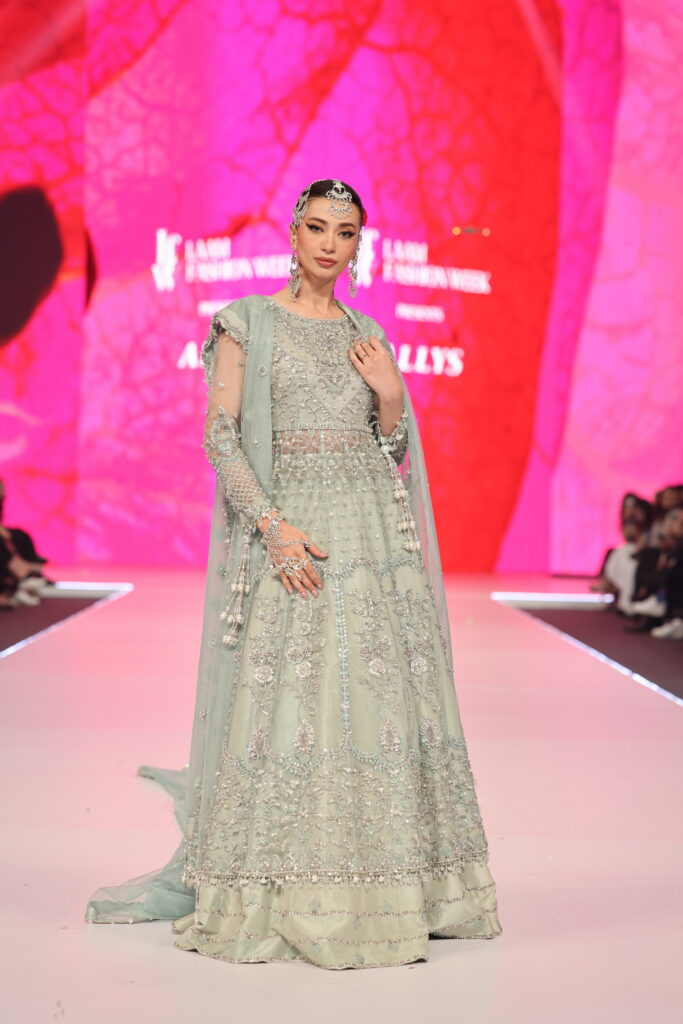
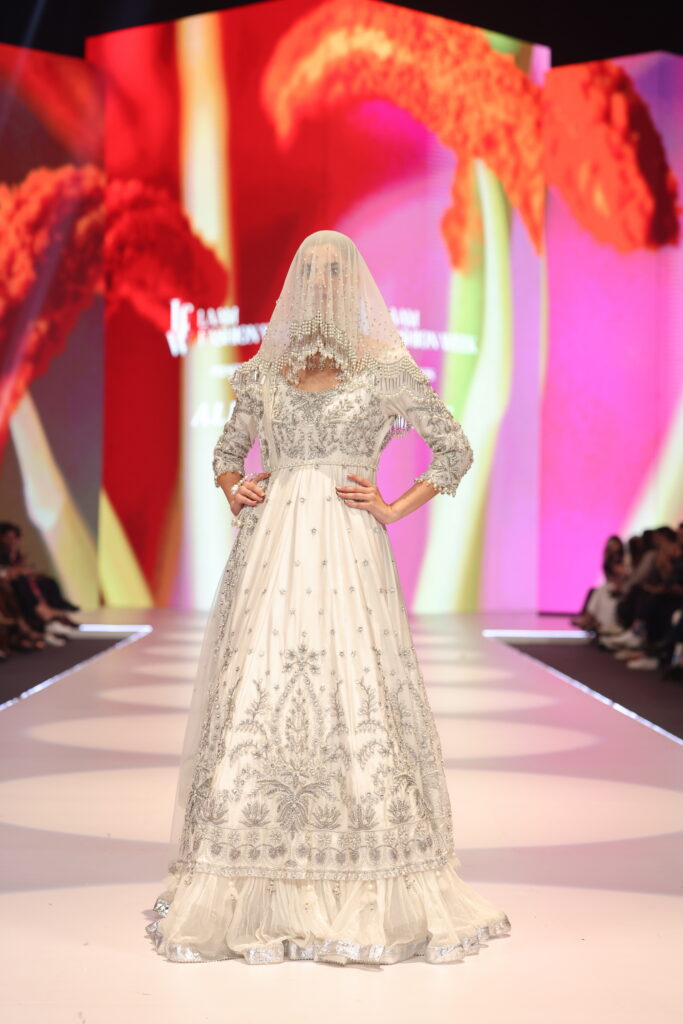
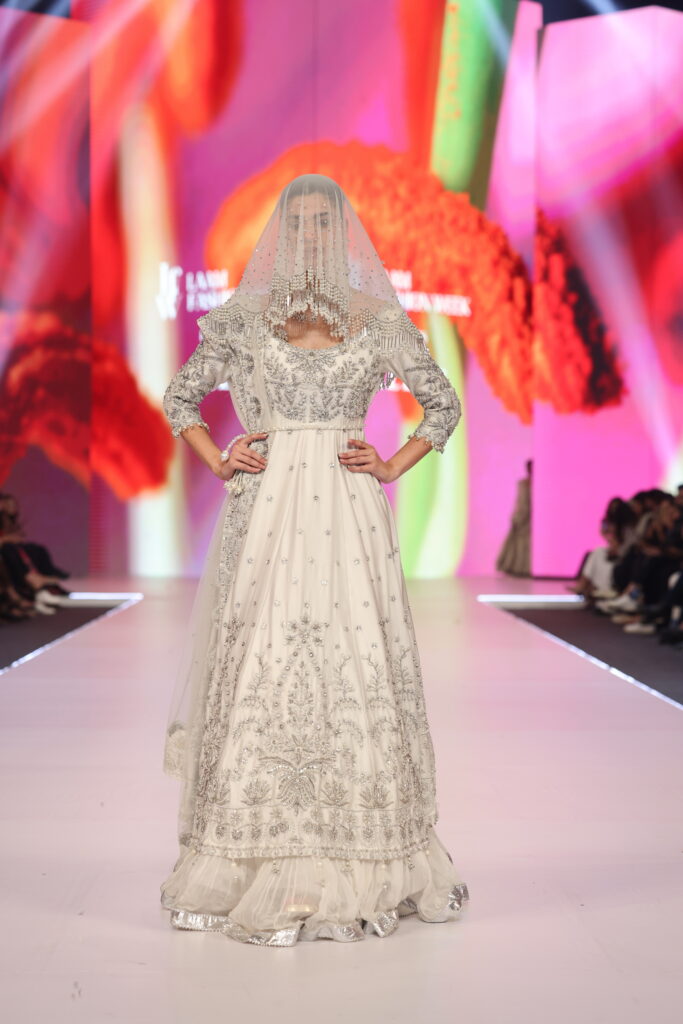
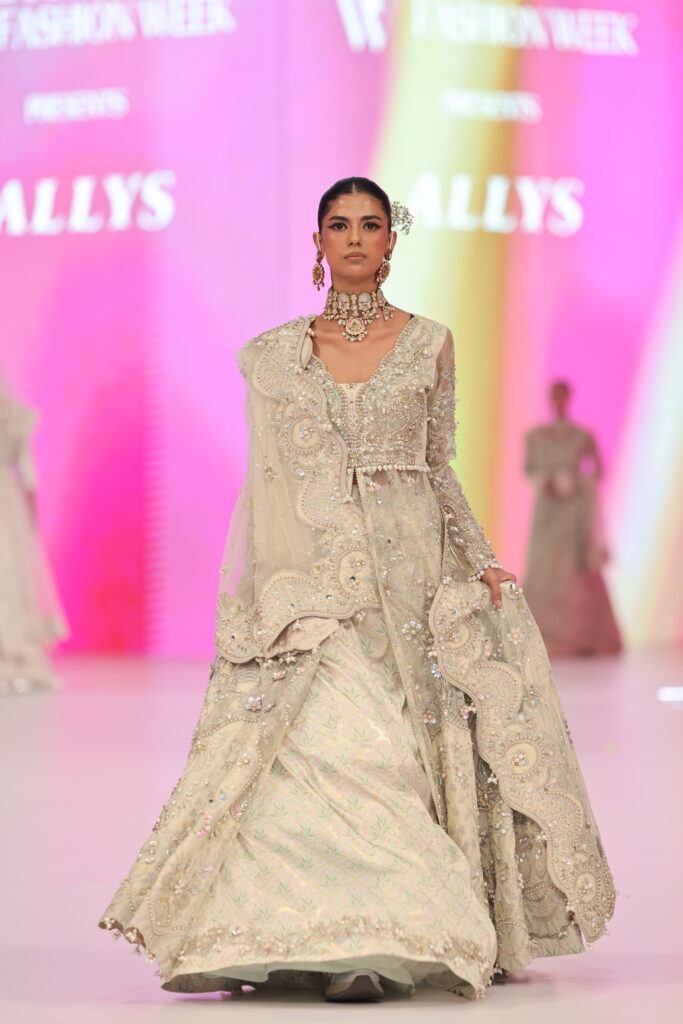
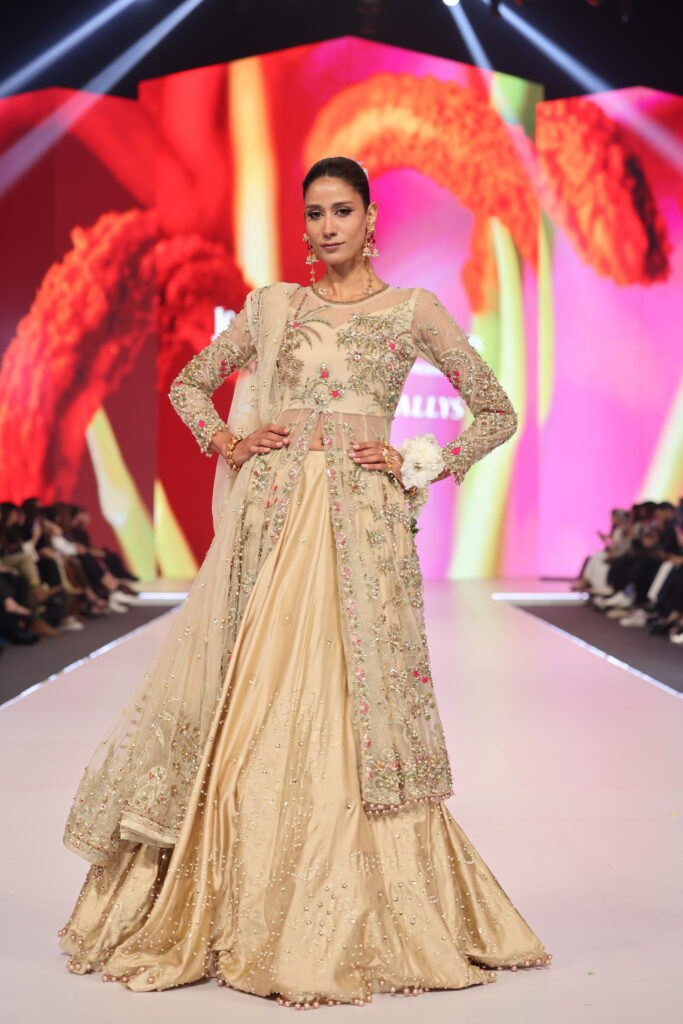
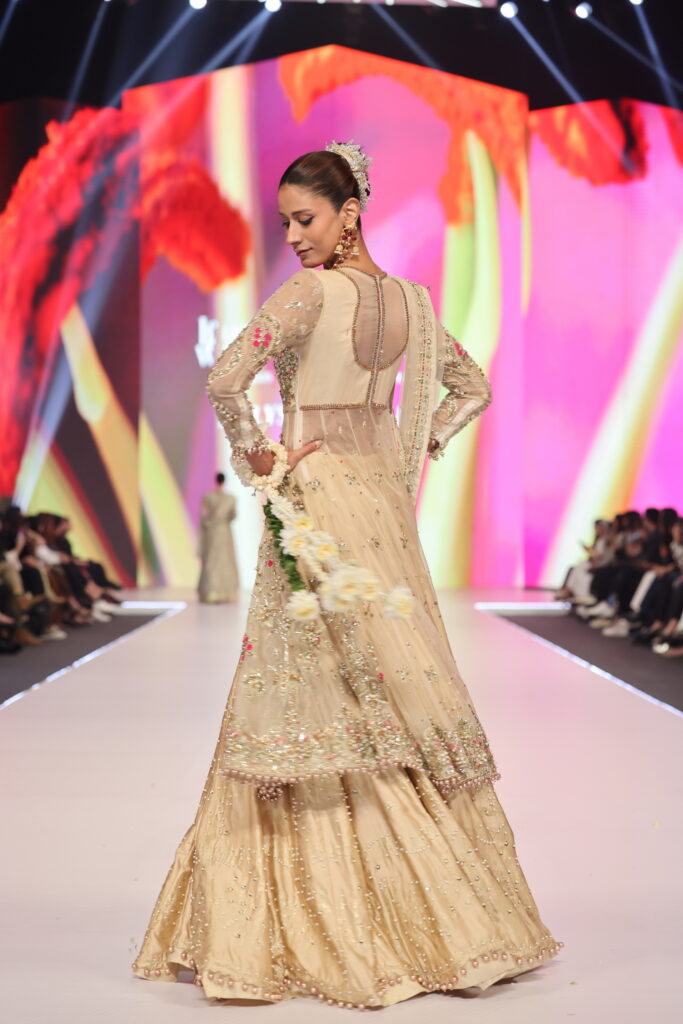
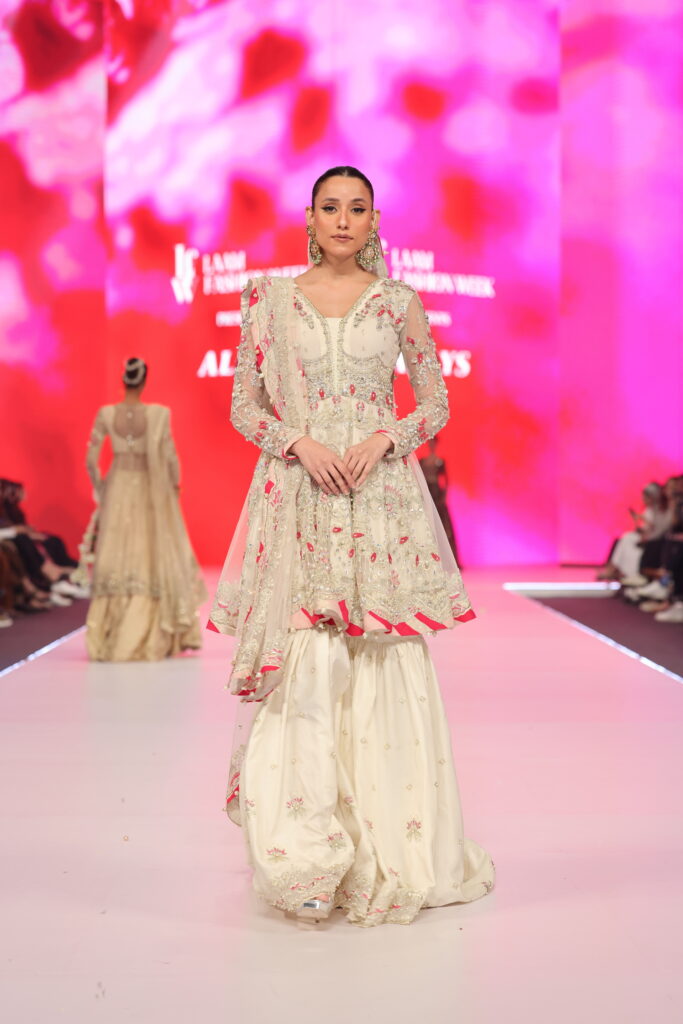
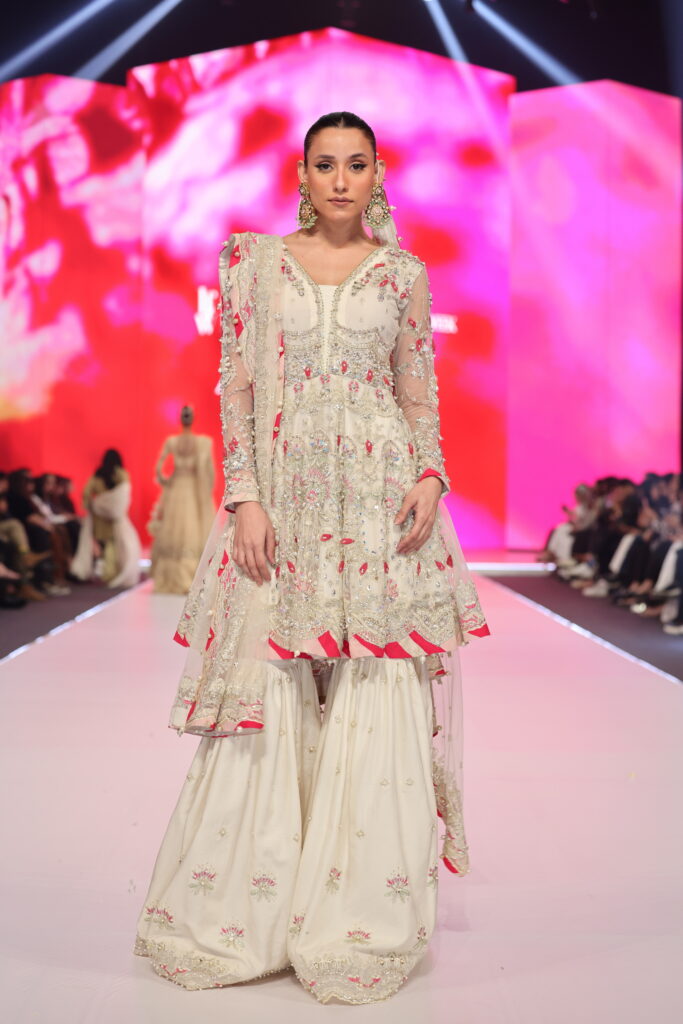
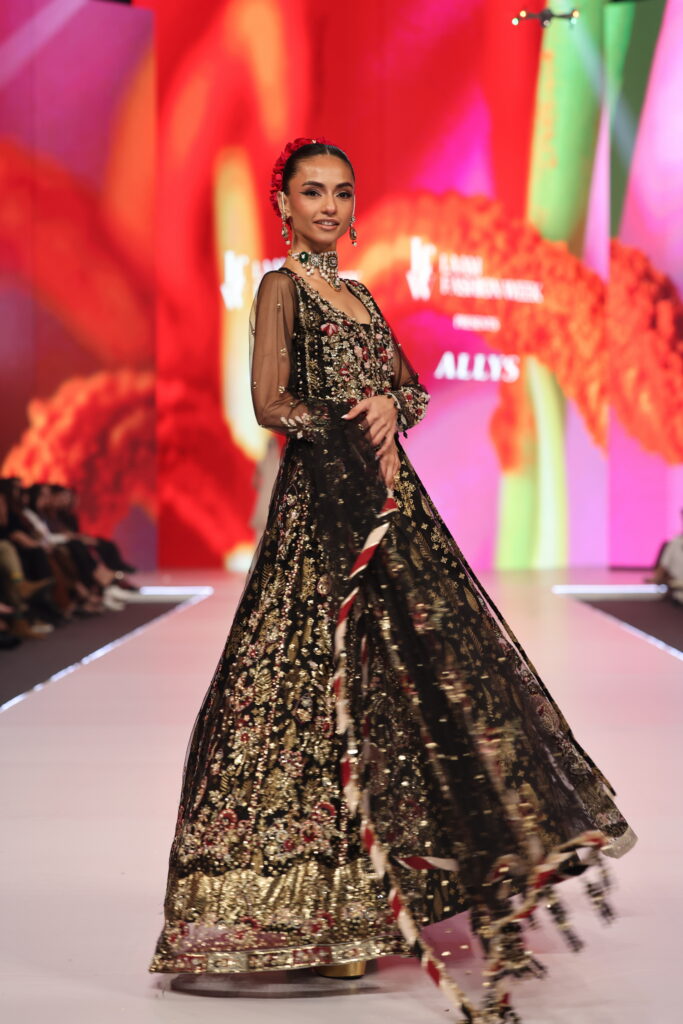
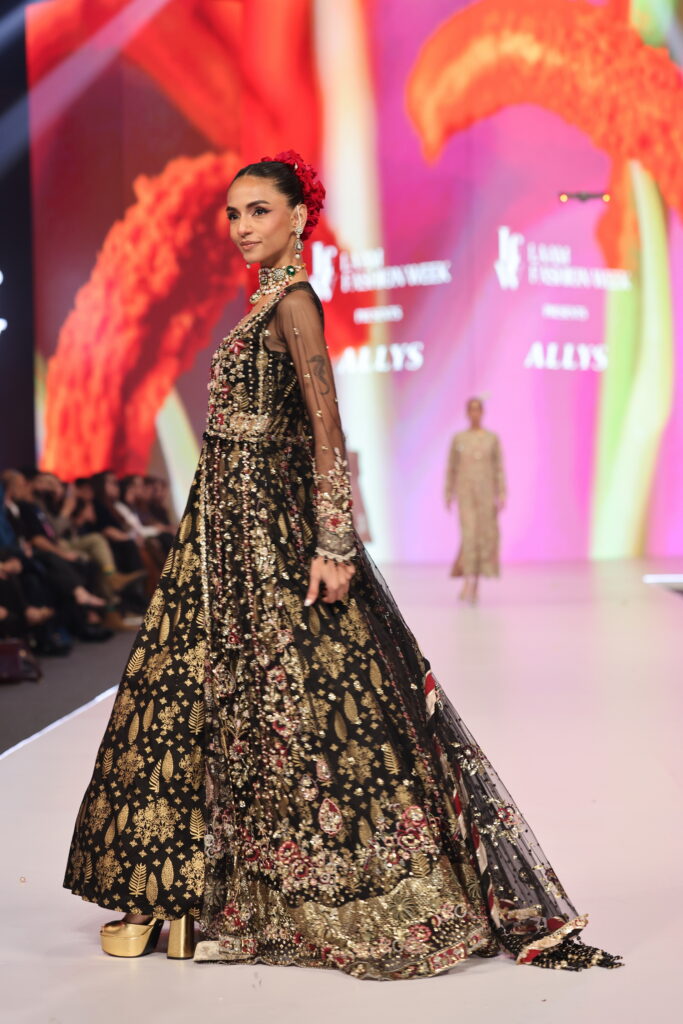
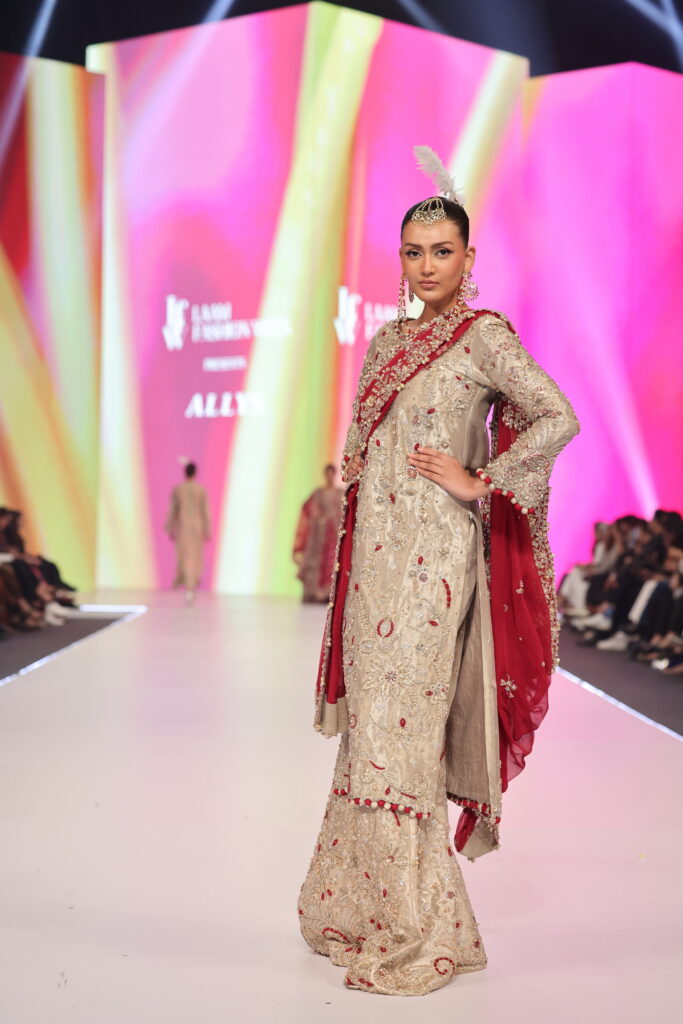
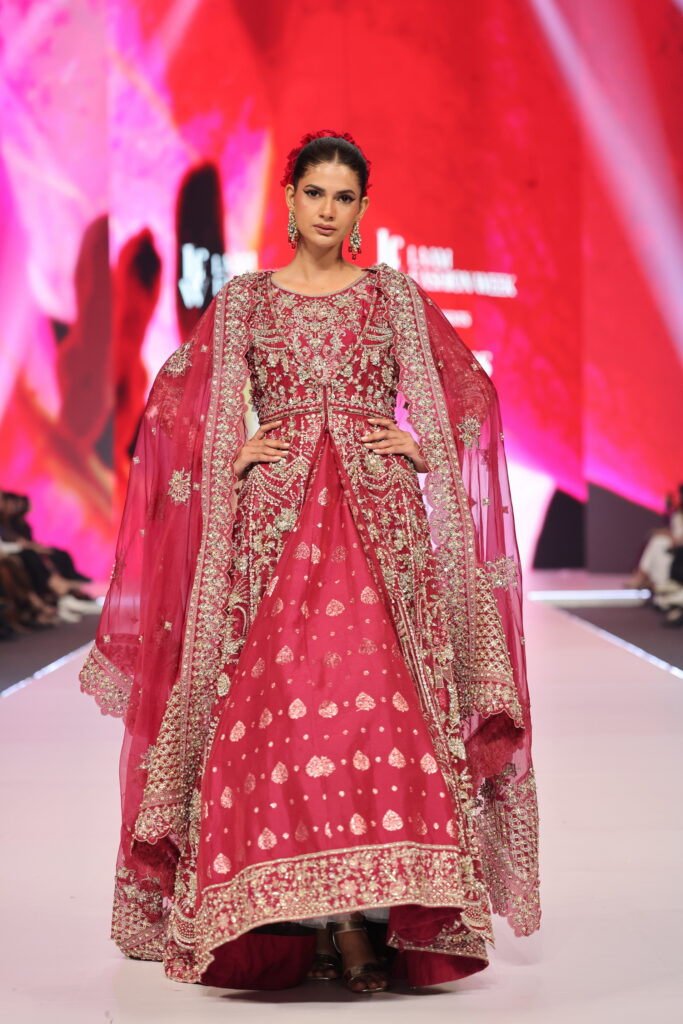
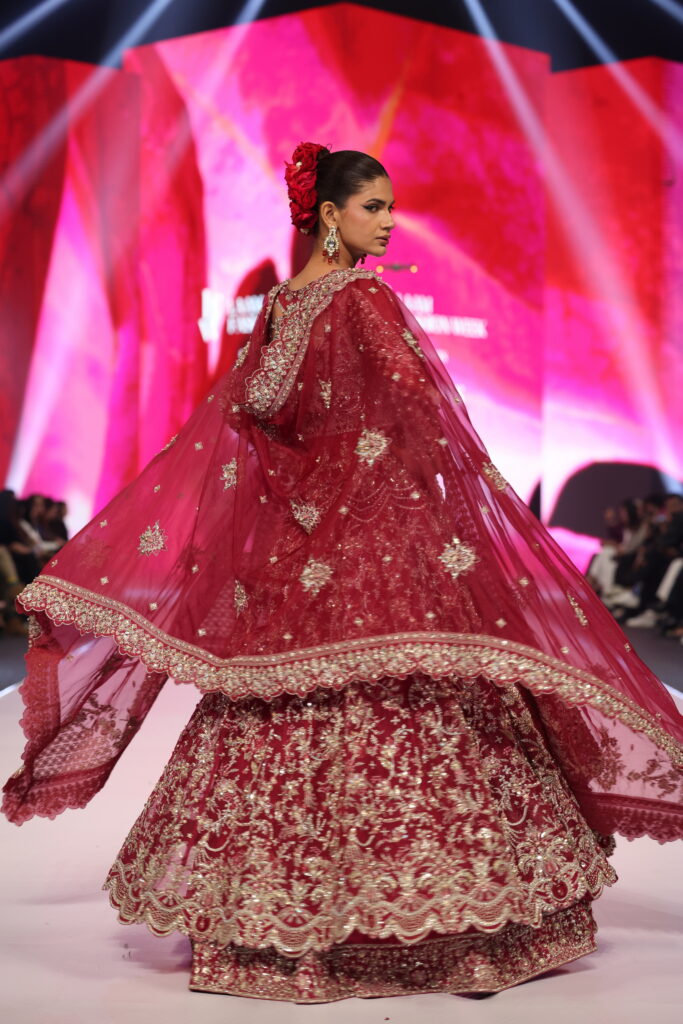
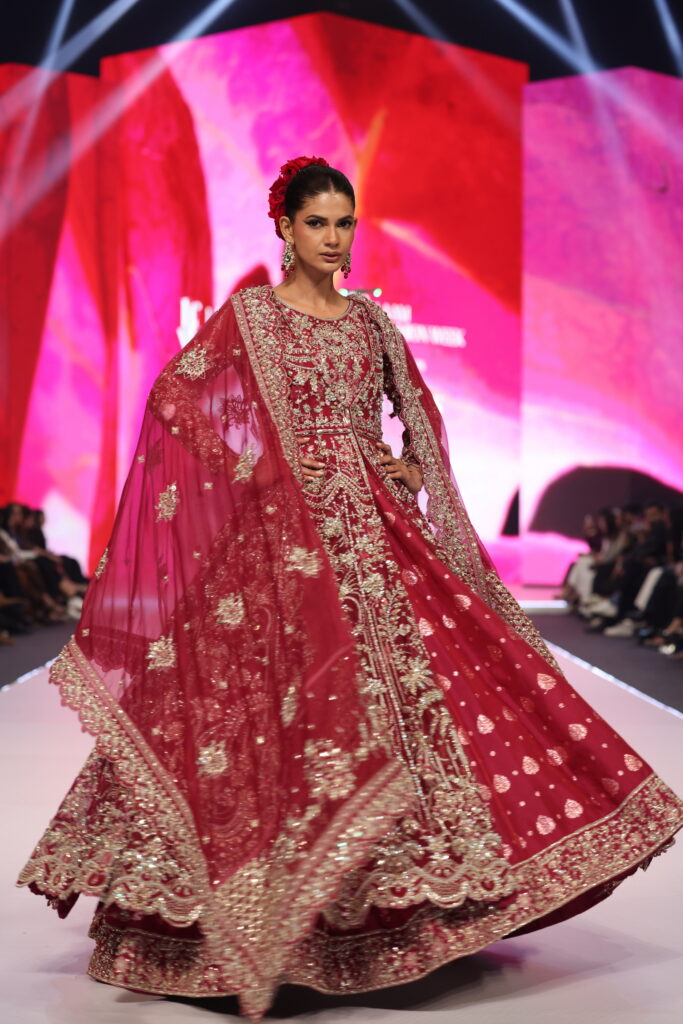
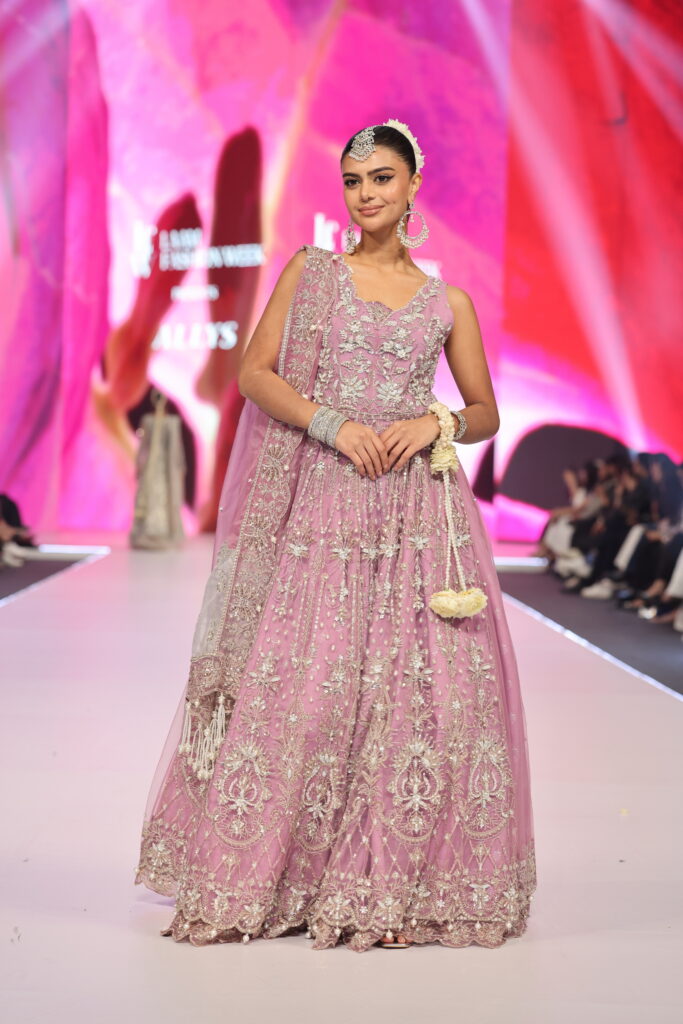
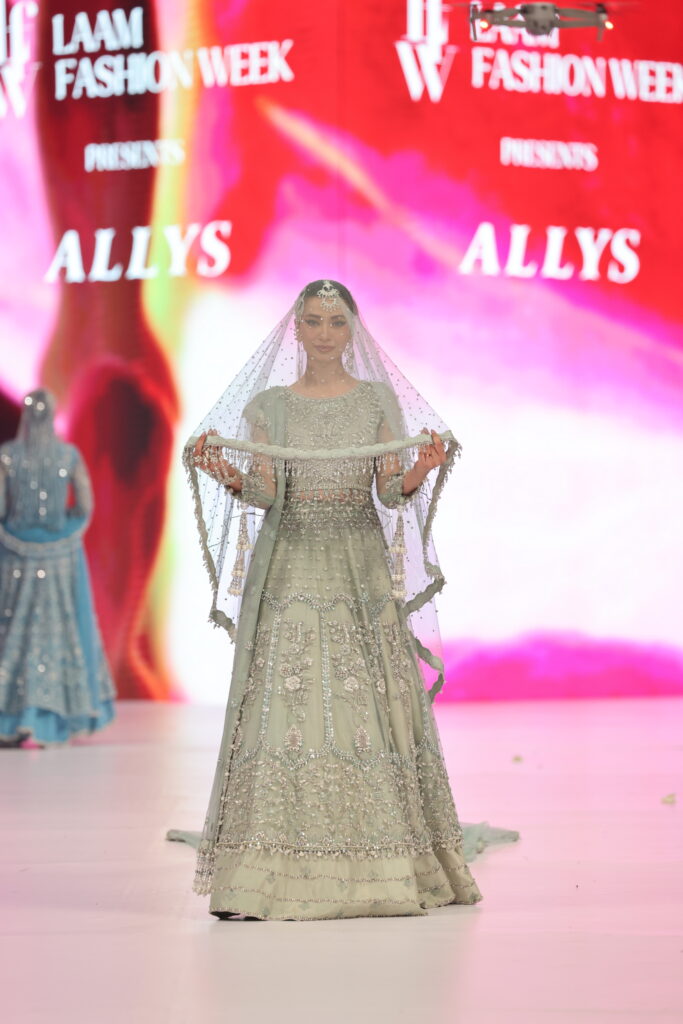
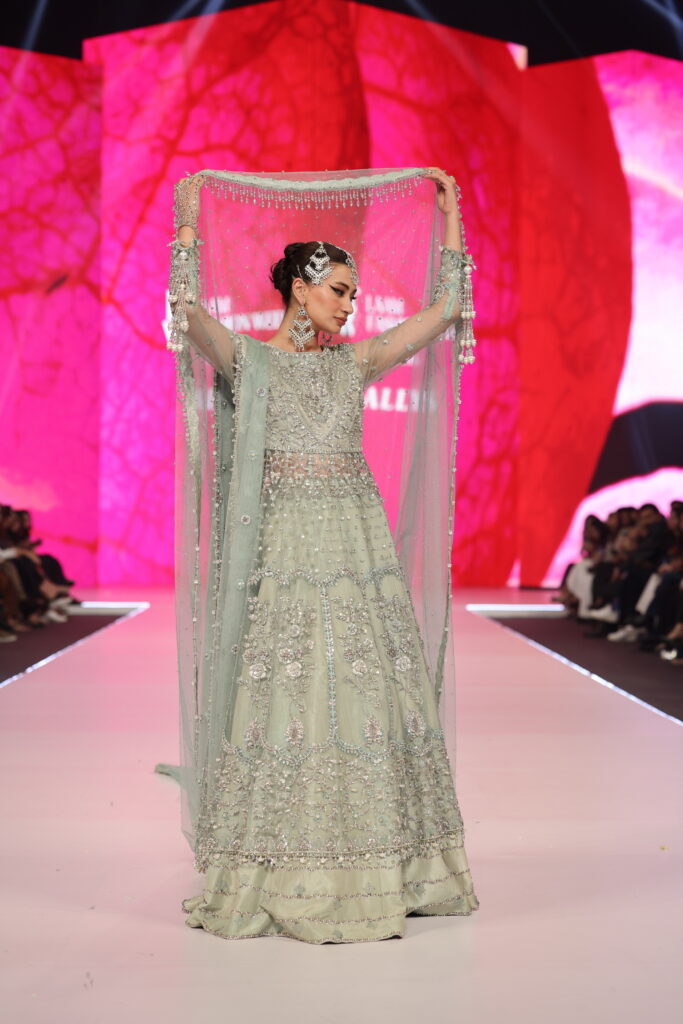
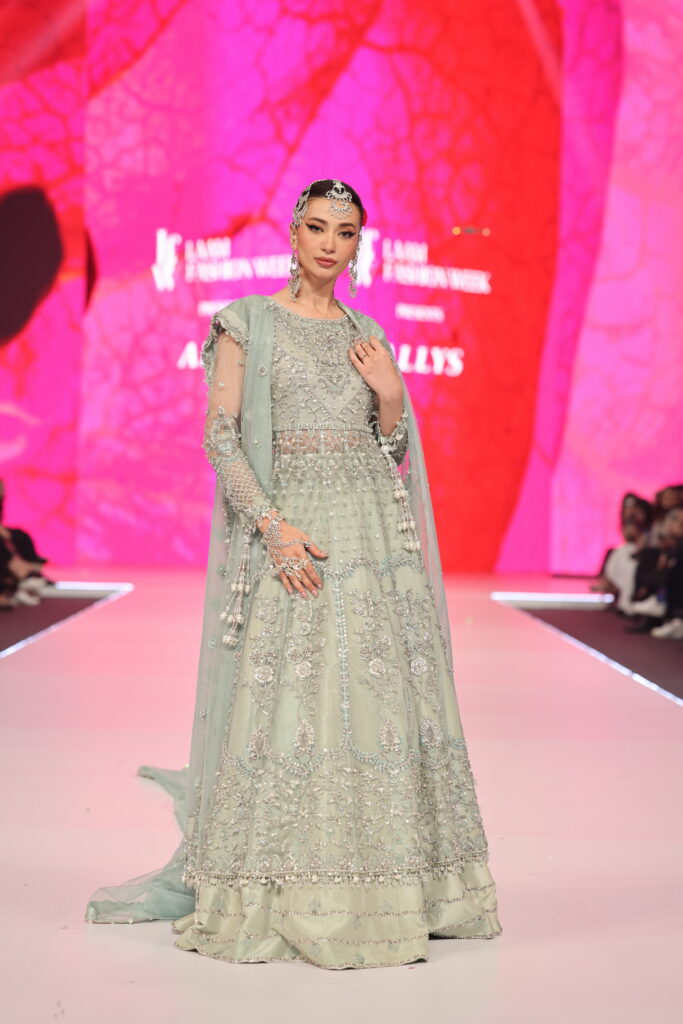
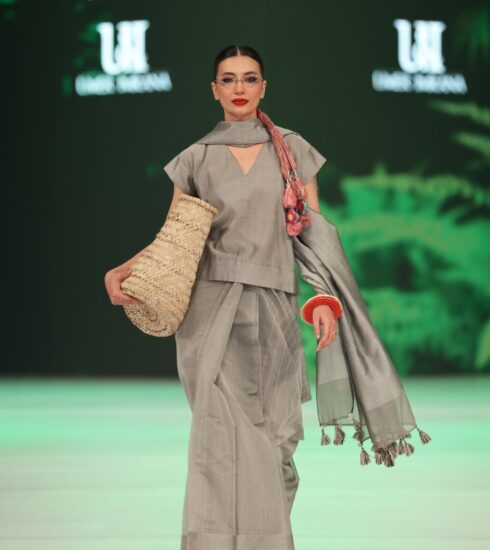
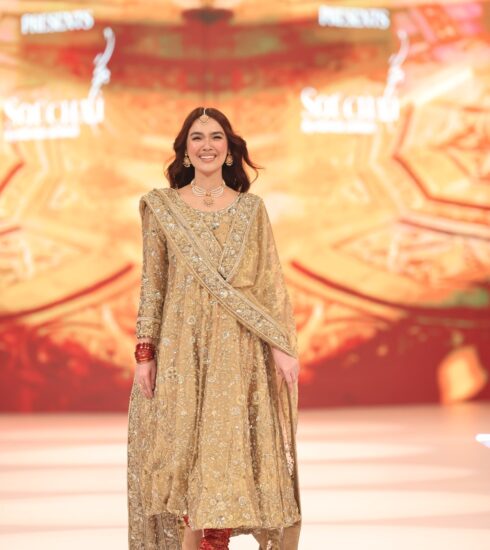
The dupatta is often treated as a finishing flourish. In Diwani, ALLYS gives it a more consequential role. Set against flowing kalidars and elaborately worked bodices, its commanding presence becomes integral to the silhouette, while ornate borders direct attention towards the edges of each ensemble.
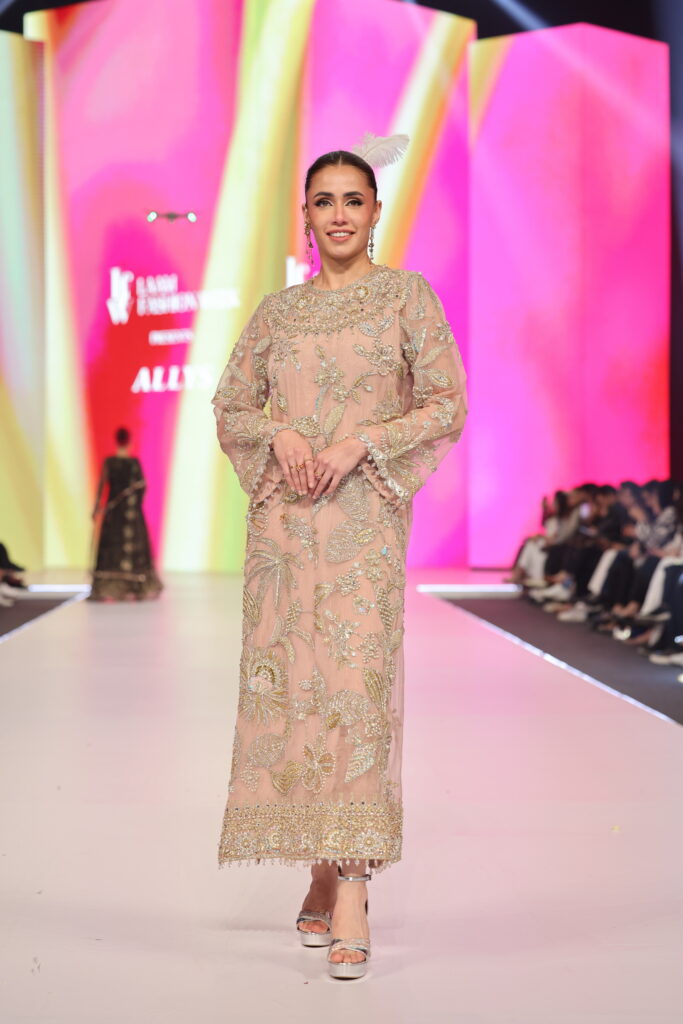
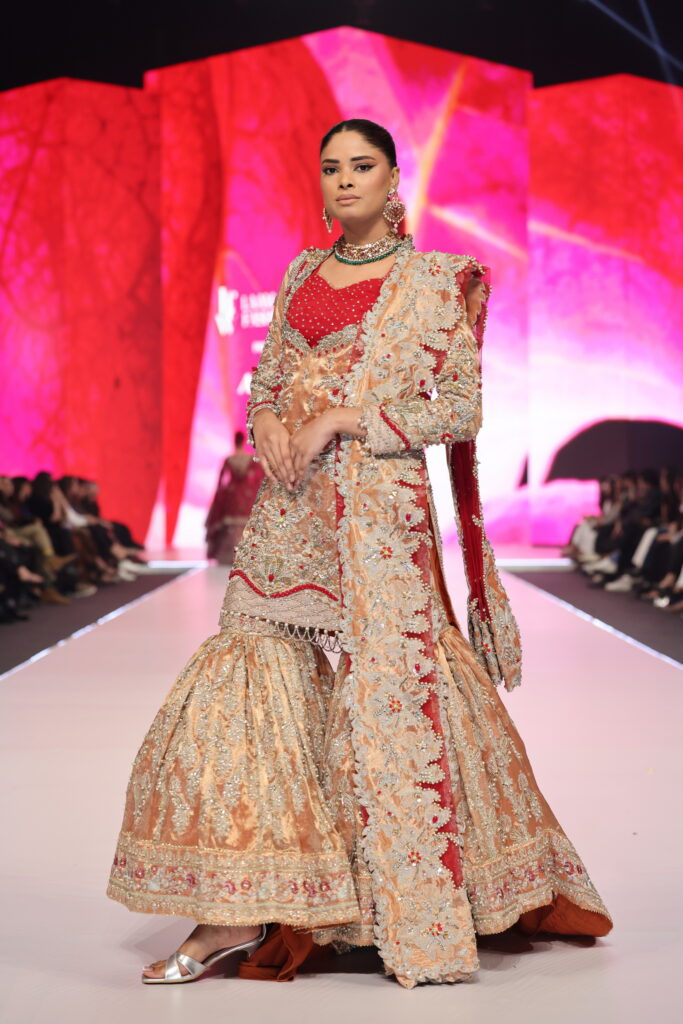
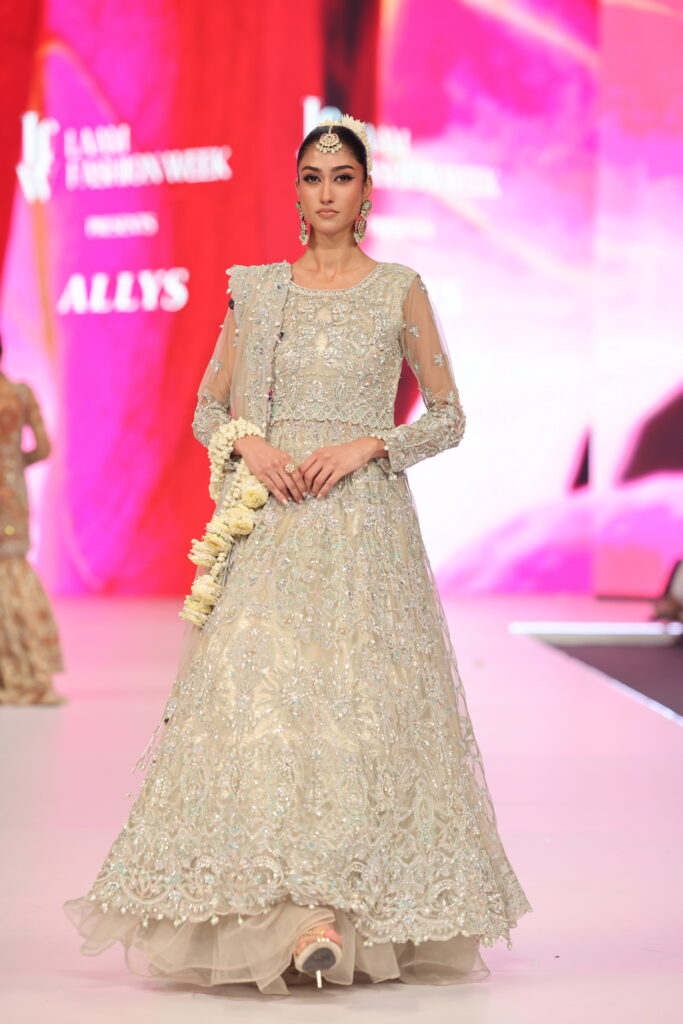
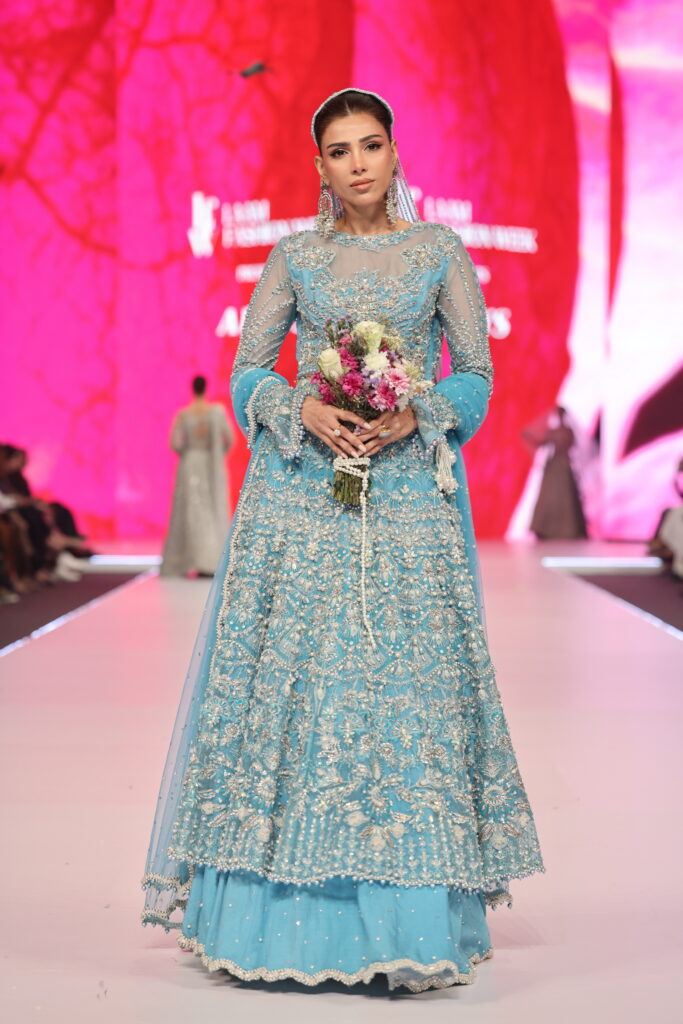
Royal architecture, traditional floral ornamentation and heirloom jewellery inform the collection’s decorative vocabulary. Zardozi-inspired embroidery appears alongside sequins, pearls and crystals, introducing variations in texture and luminosity. The emphasis extends beyond embellishment alone, drawing attention to how these elements interact with the proportions of established South Asian dress.
Colour offers another point of distinction. Deep maroon and ruby red introduce a sense of ceremony, complemented by antique gold, while ivory, champagne and muted sage provide a quieter counterpoint. The formal ensembles favour a softer, almost ethereal treatment. Bridal attire, meanwhile, assumes greater visual weight through elaborate handwork and sumptuous tones, reflecting the grandeur associated with Pakistani wedding traditions.
Perhaps the most considered aspect of Diwani is its handling of scale. The detailed concentration of a bodice differs markedly from the generous fall of a kalidar, just as a statement dupatta changes the composition of an outfit. Across these familiar forms, ALLYS explores the expressive possibilities of craft without departing from the conventions that give them their cultural significance.