From Royal Courts to Cultural Reclamation: Meeras by Nilofer Shahid Retraces Pakistan’s Fashion History

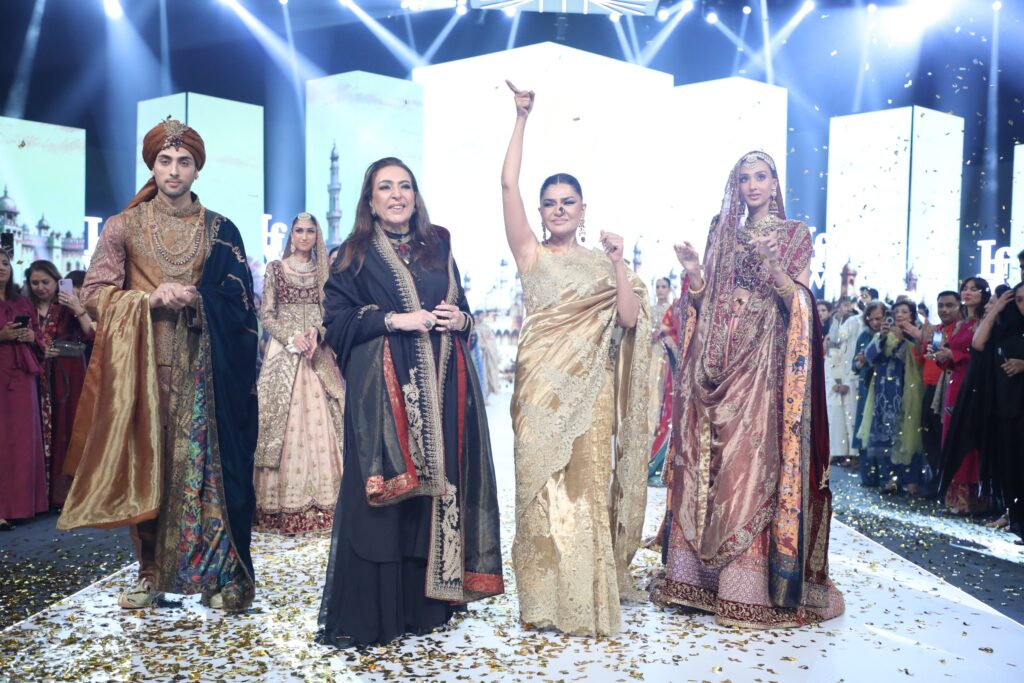
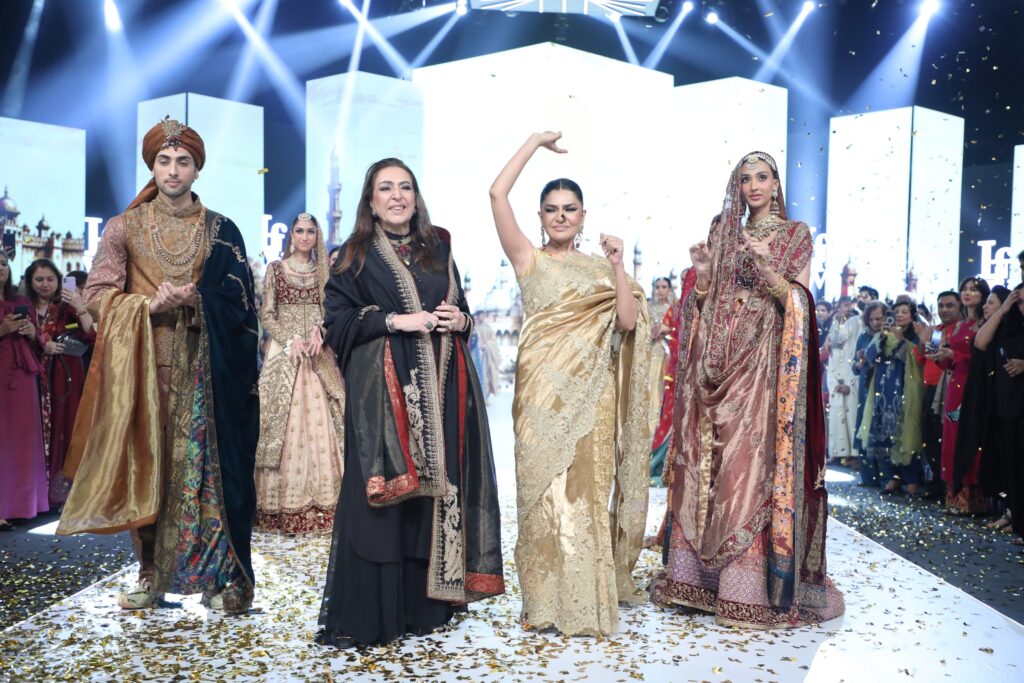
At LAAM Fashion Week Season 2, Meeras by Nilofer Shahid looked beyond the aesthetics of historical dress, examining how colonial rule, changing social identities and the passage of time have shaped the Pakistani wardrobe. The result was a presentation that treated clothing as both a record of the past and a reflection of cultural independence.
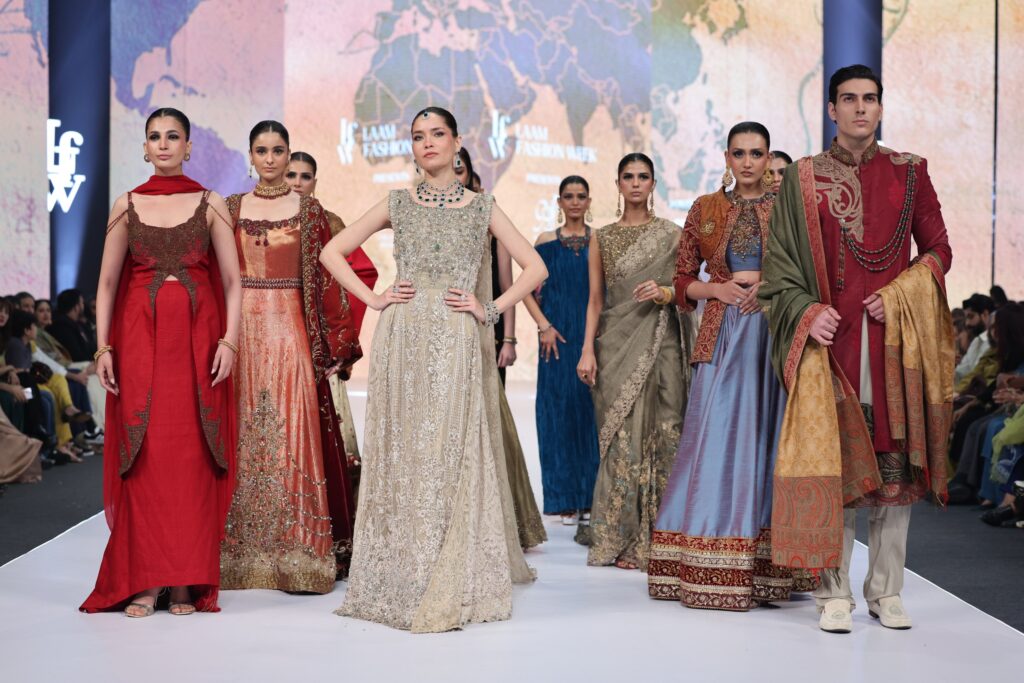
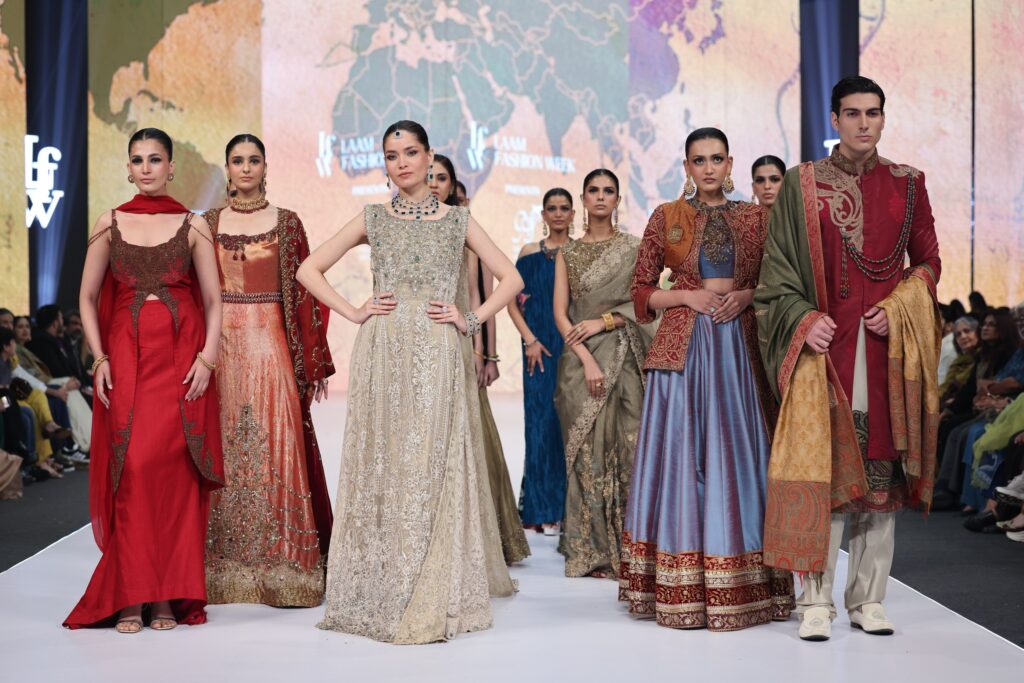
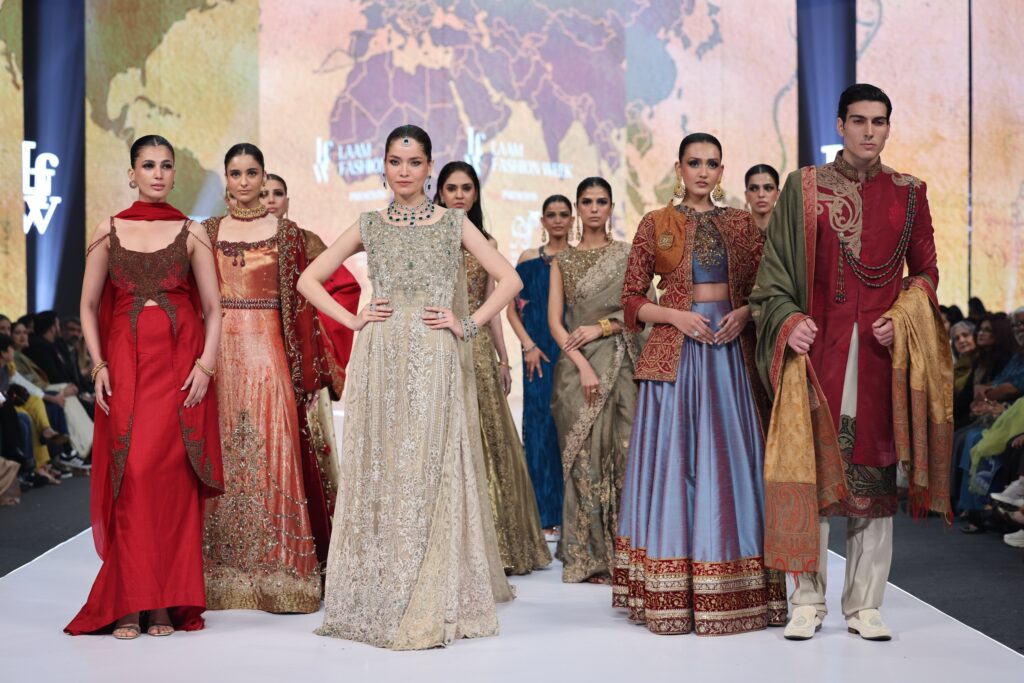
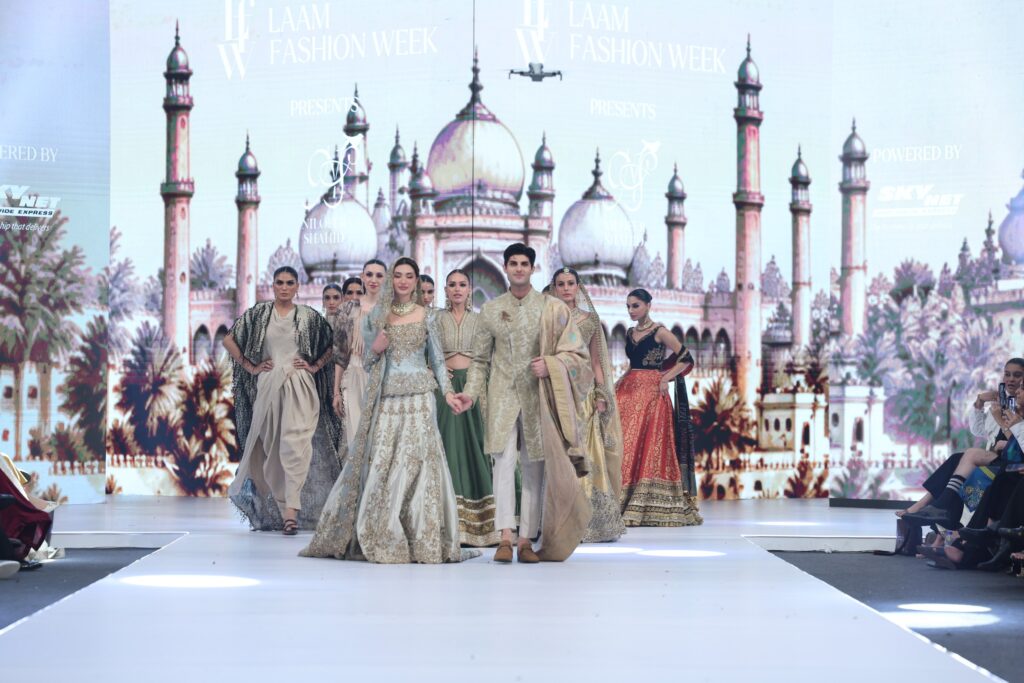
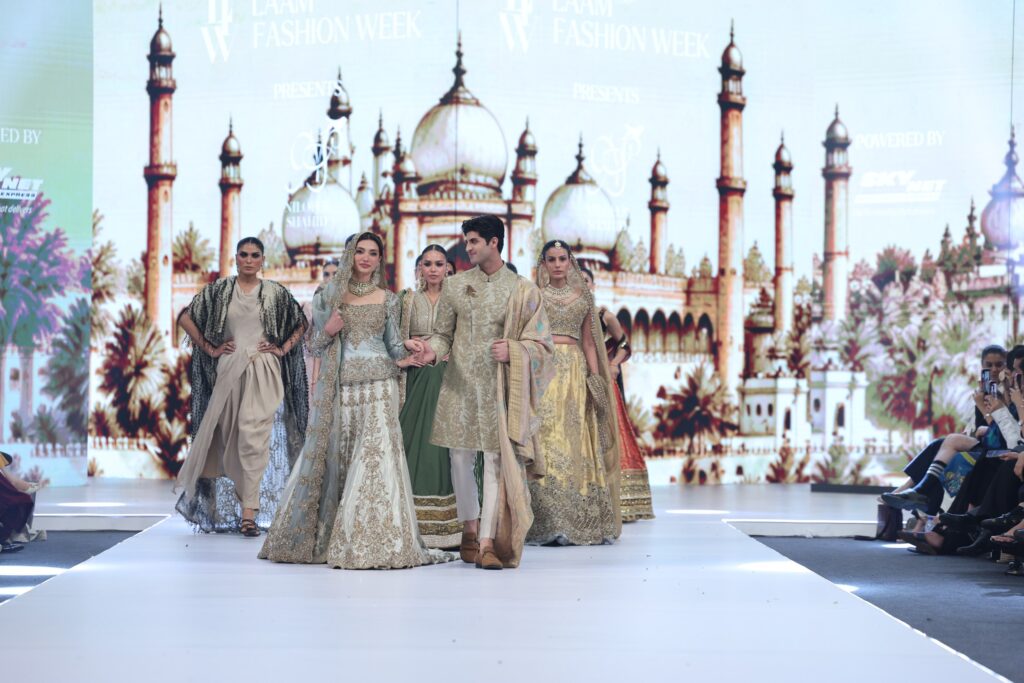
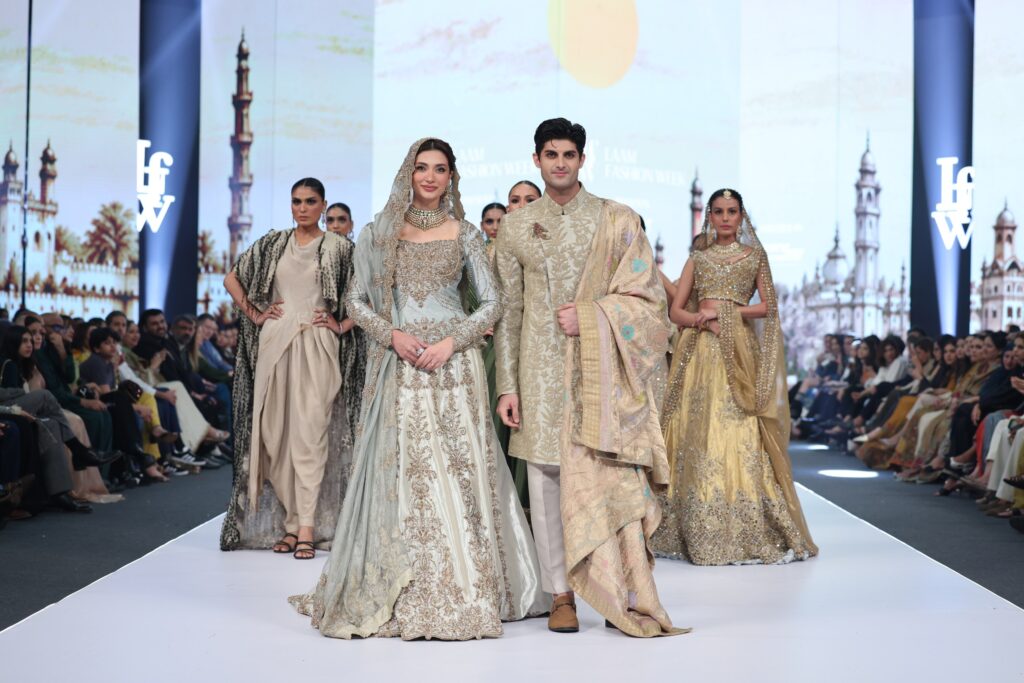
Fashion has always been a witness to history. In the hands of Nilofer Shahid, it became a means of revisiting it. Her specially curated presentation unfolded across four distinct periods, tracing the evolution of South Asian clothing from the splendour of the Nawab courts to the shifting identities of post-independence Pakistan.
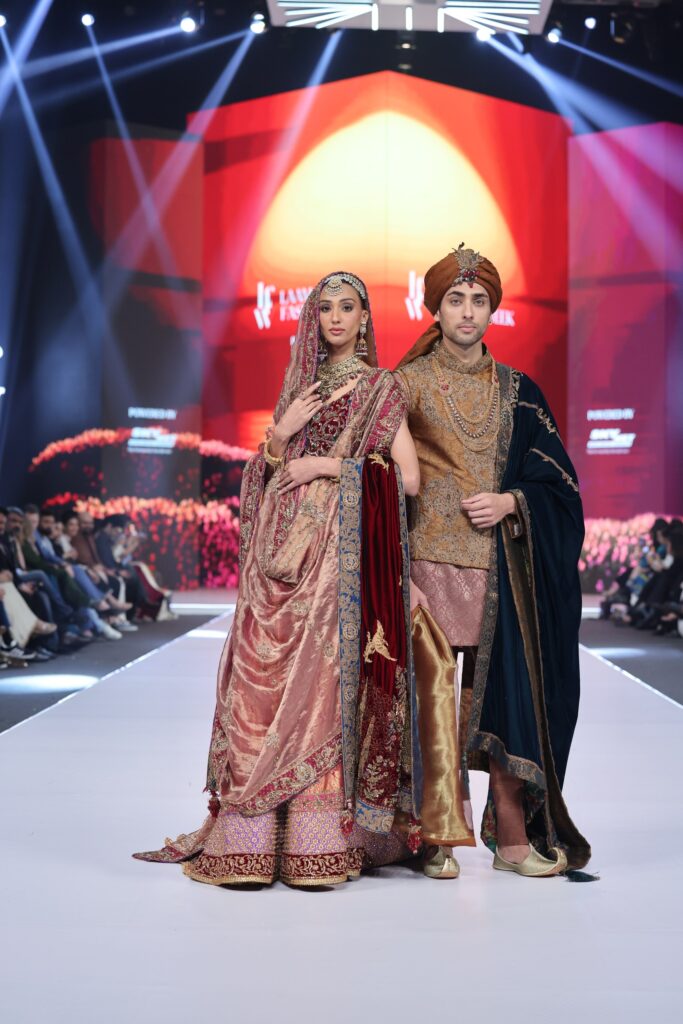
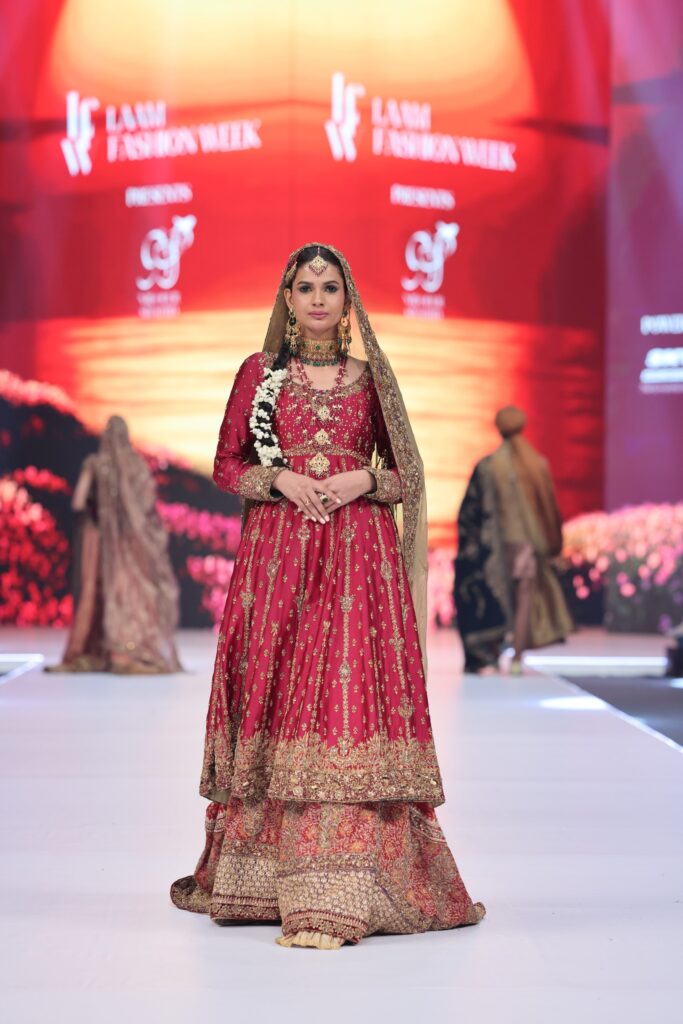
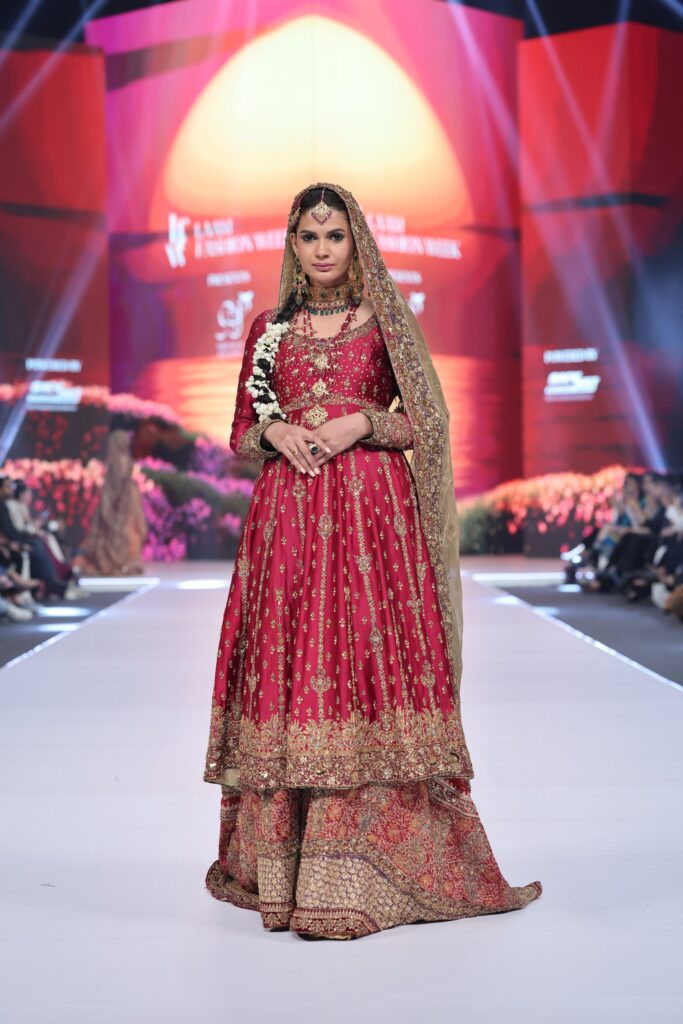
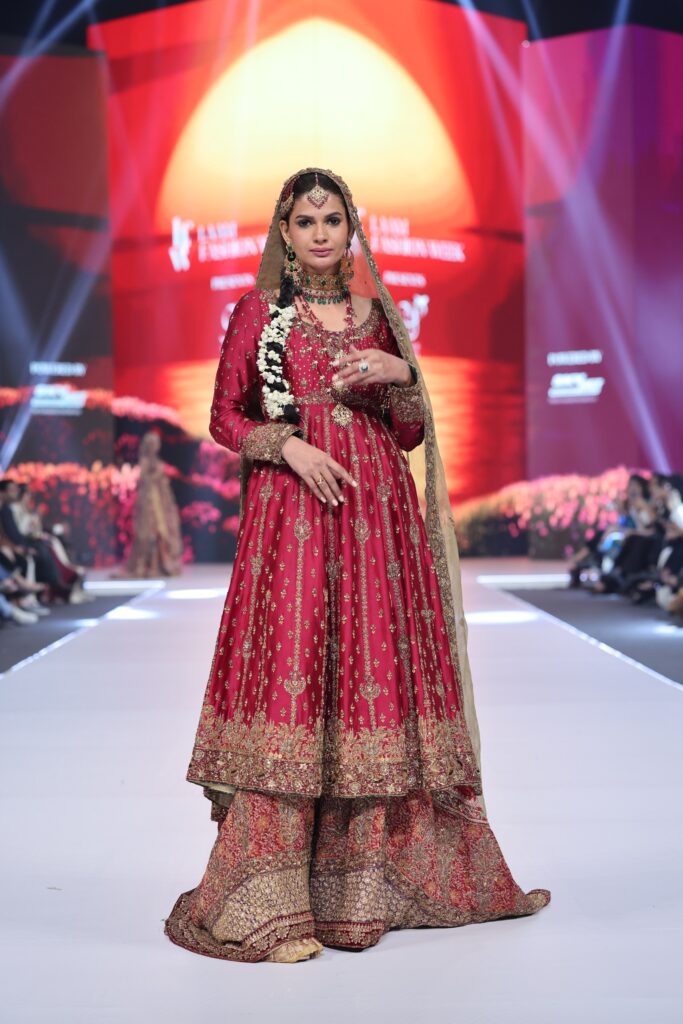
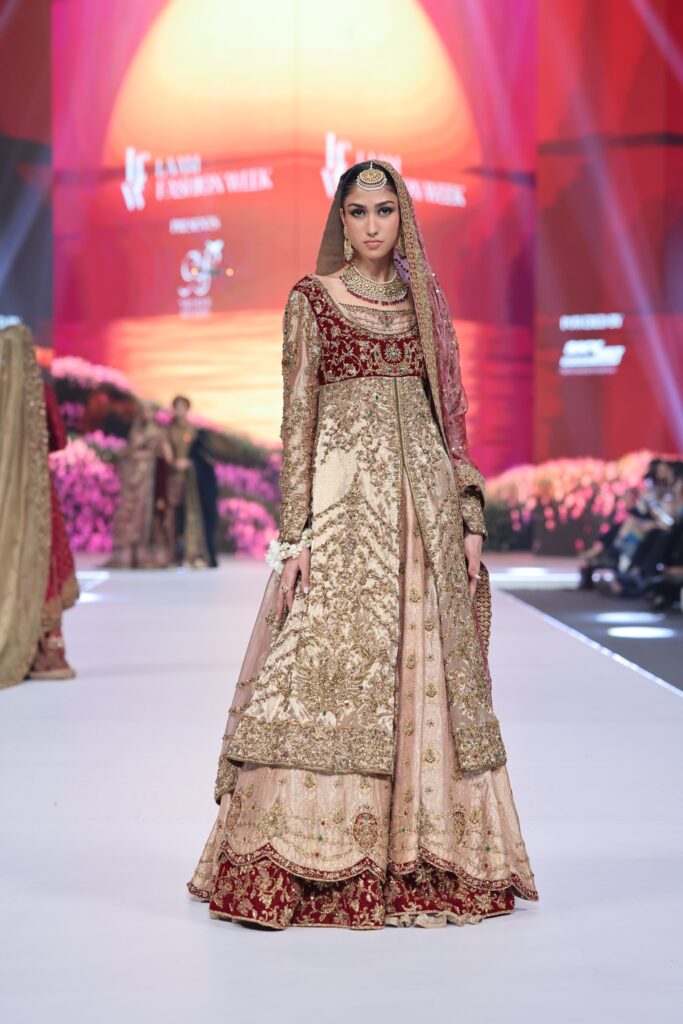
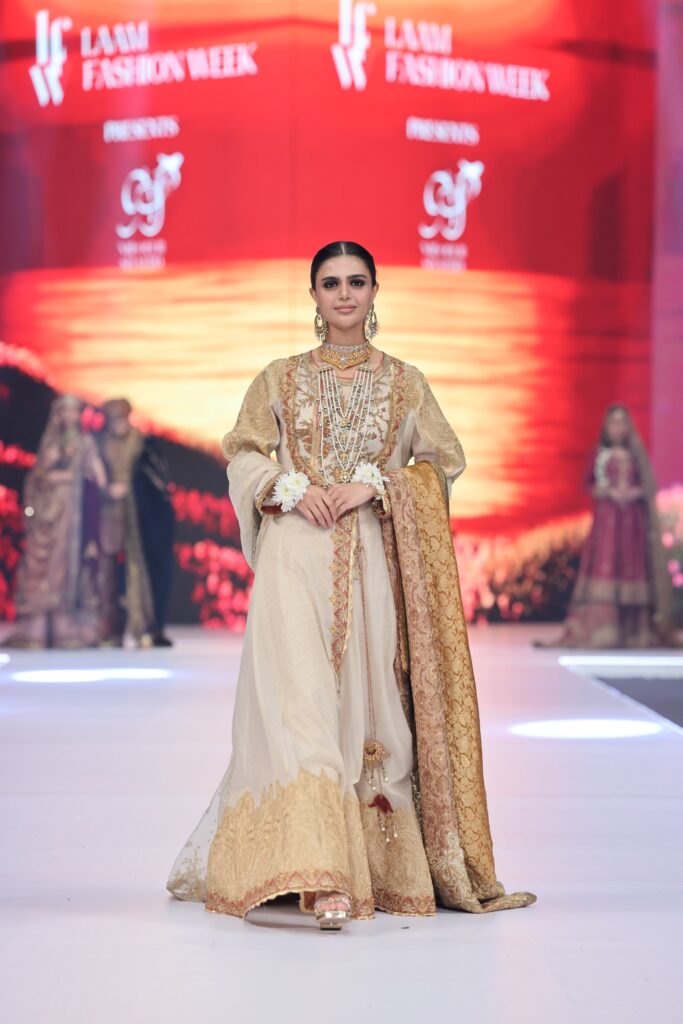
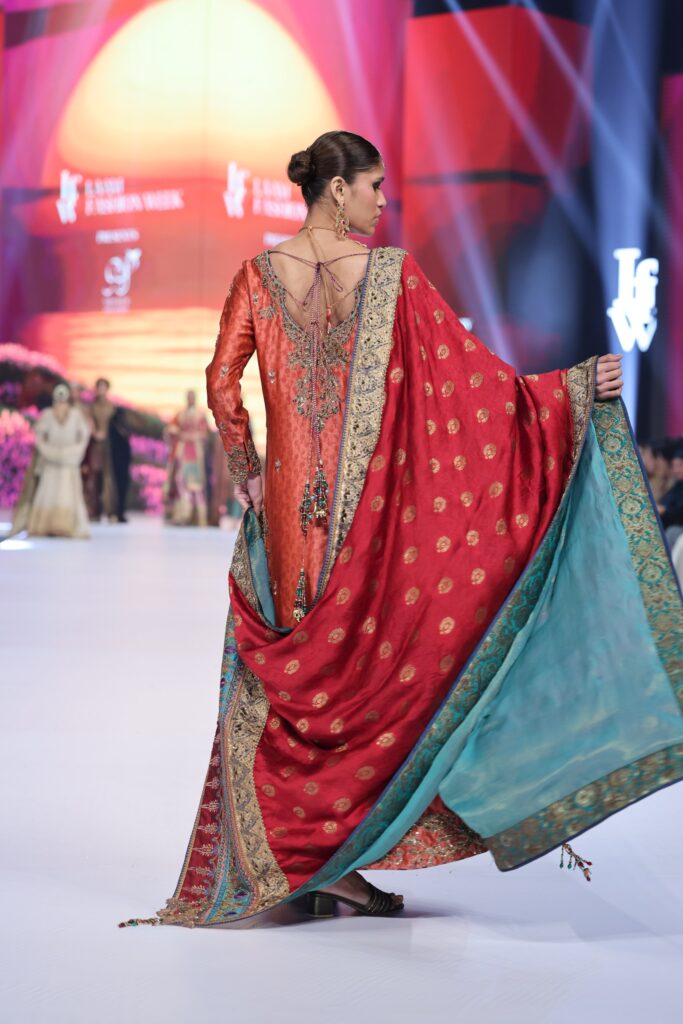
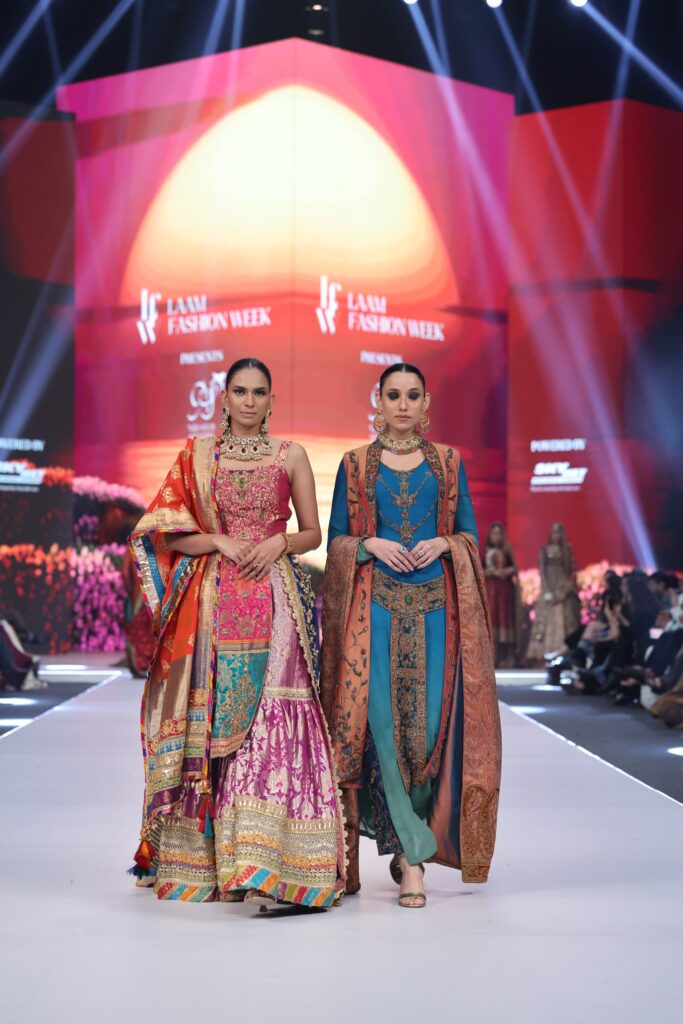
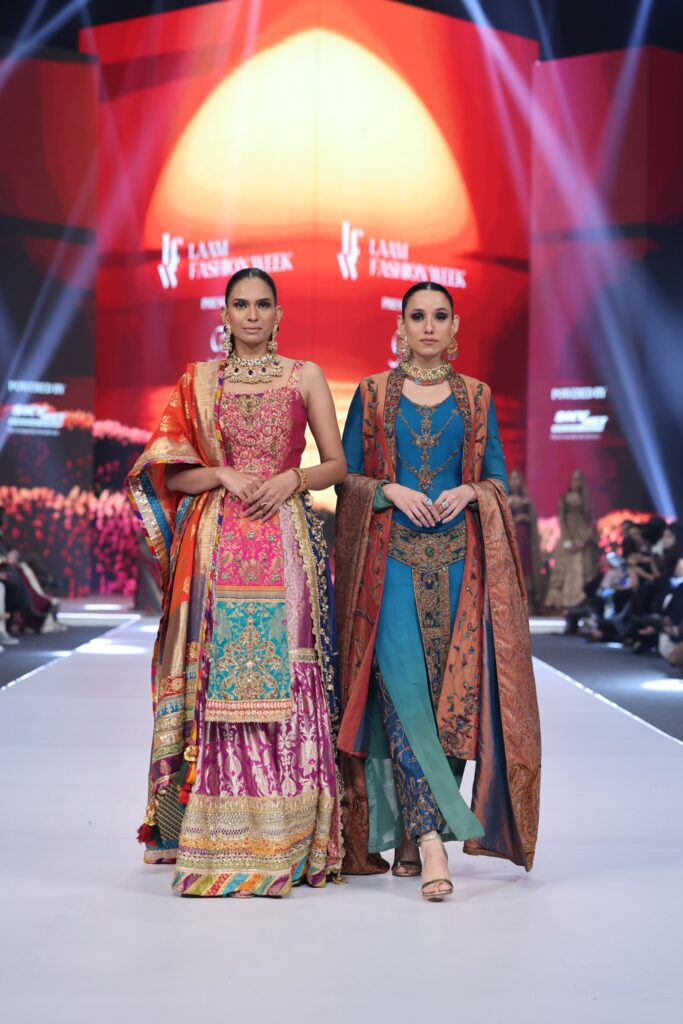
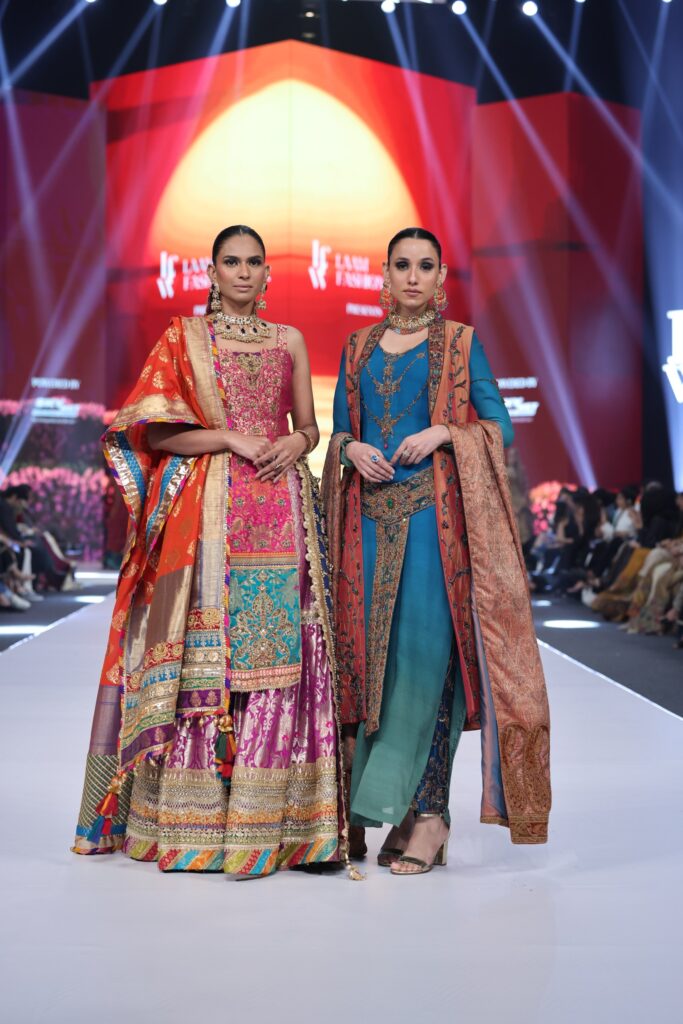
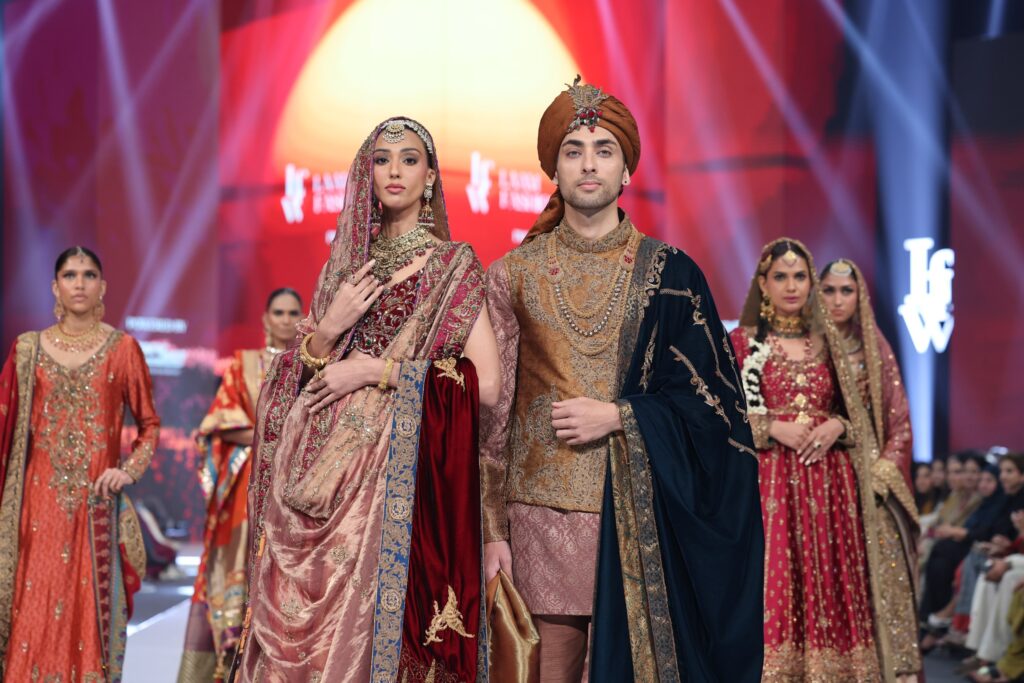
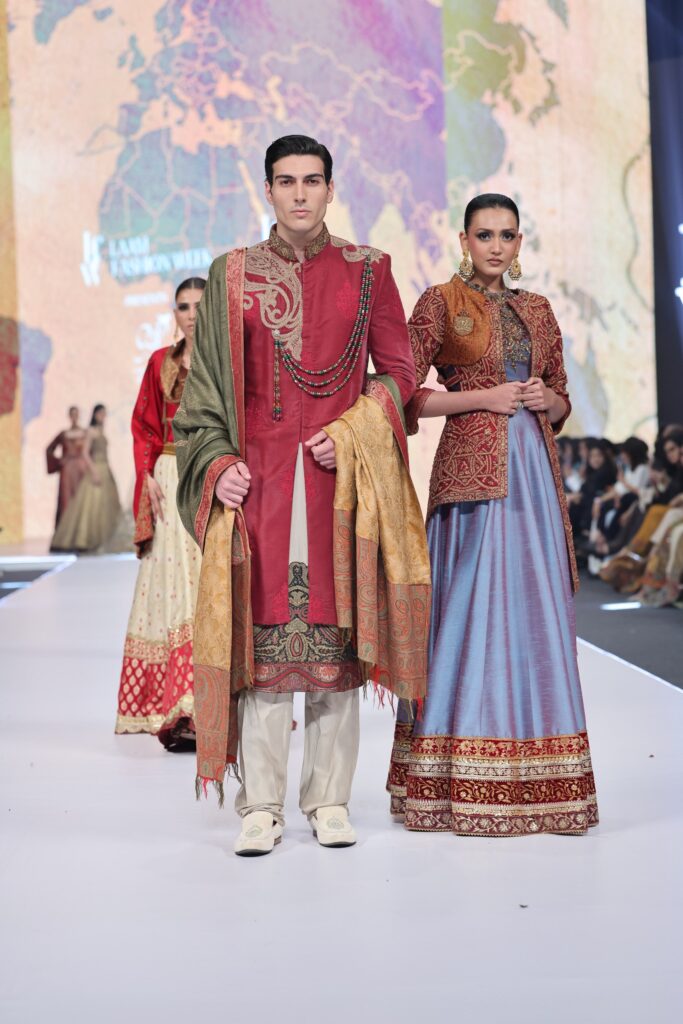
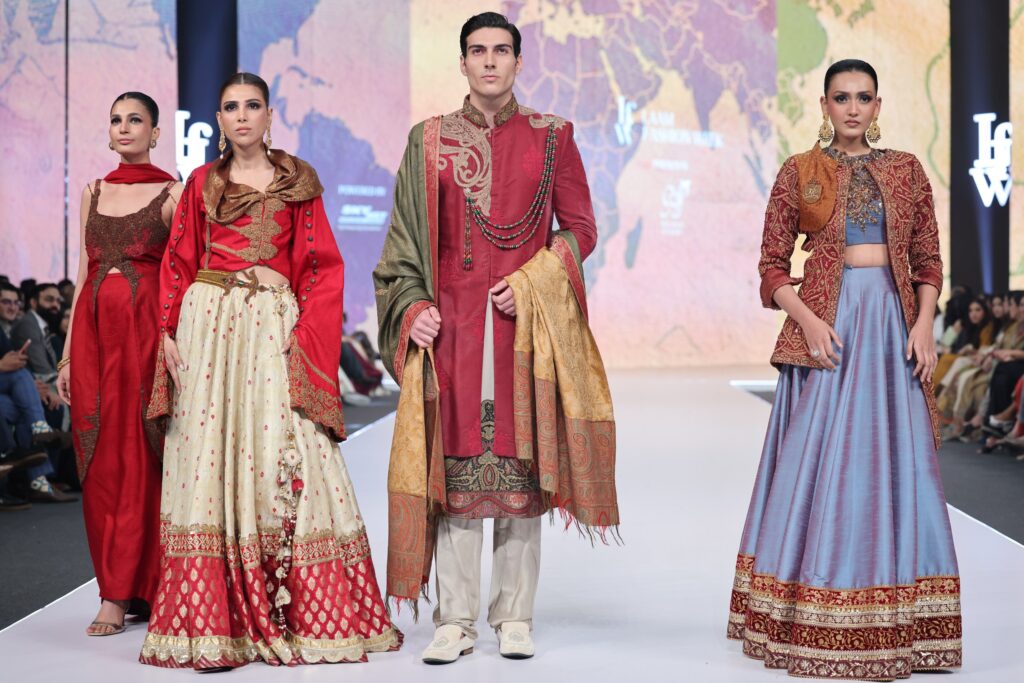
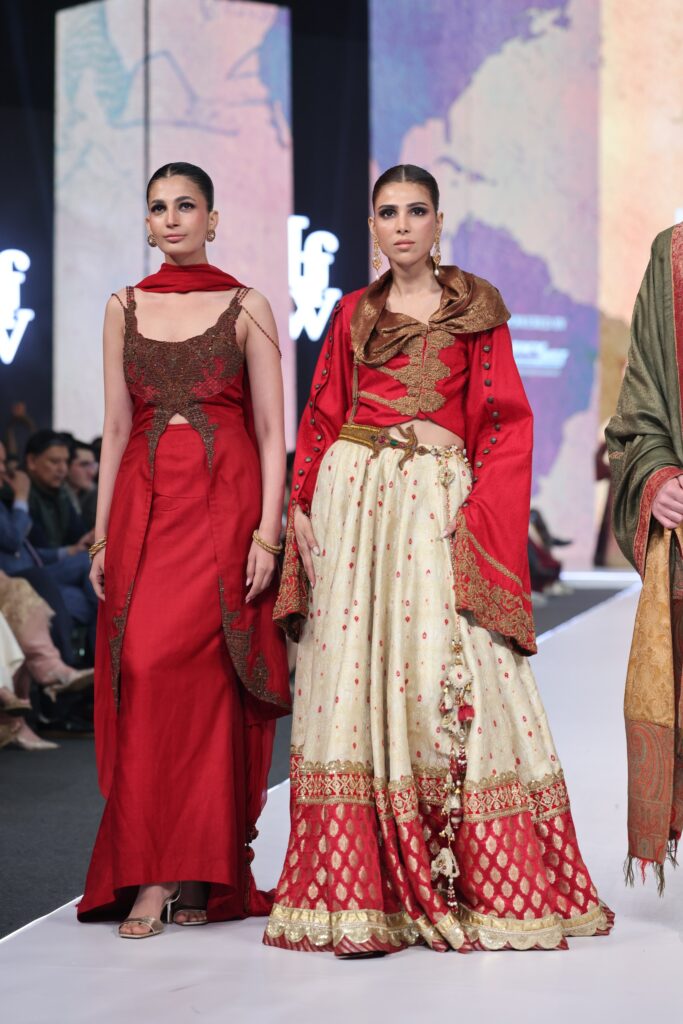
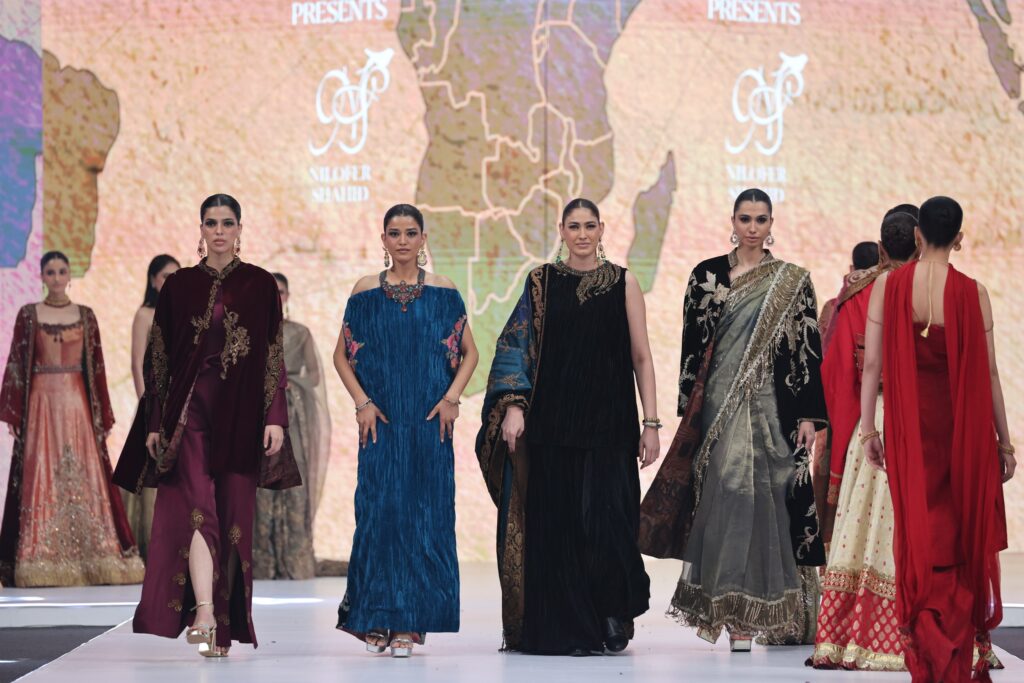
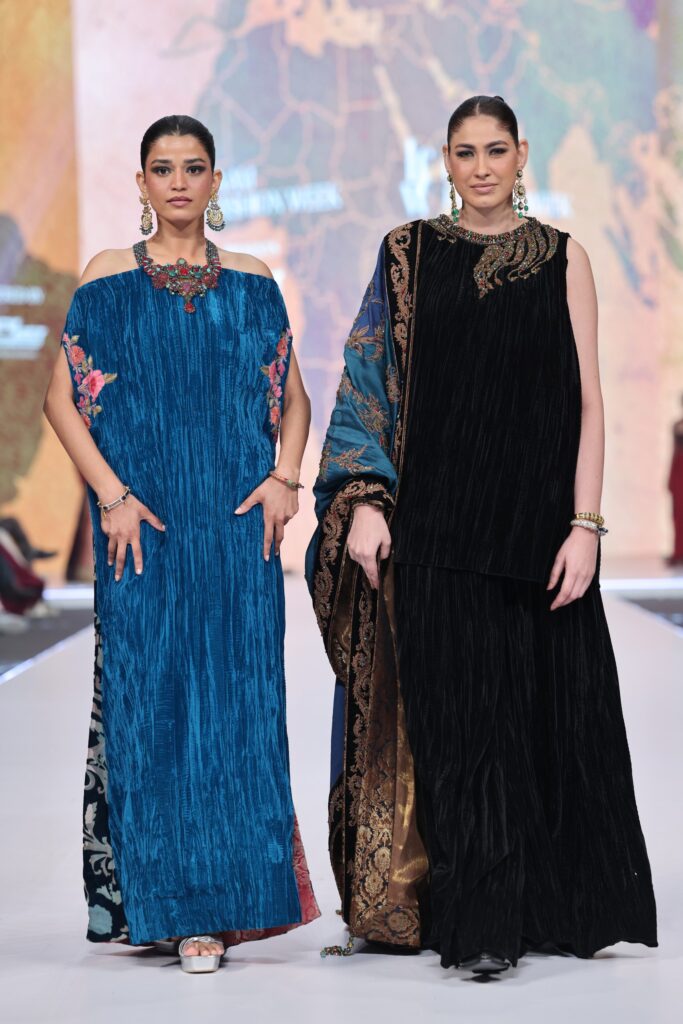
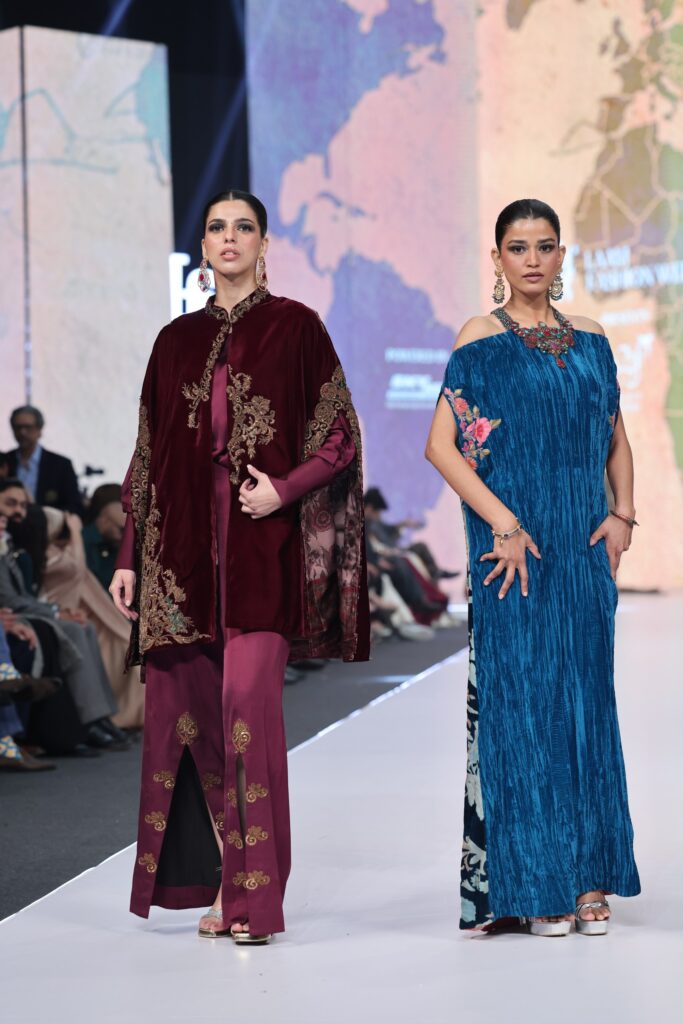
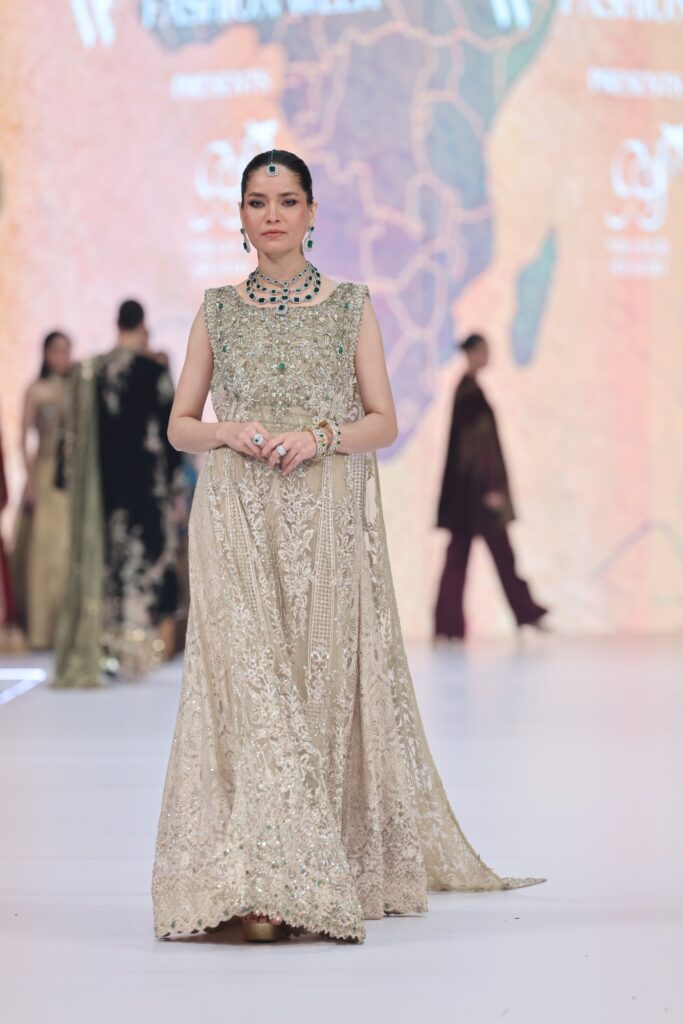
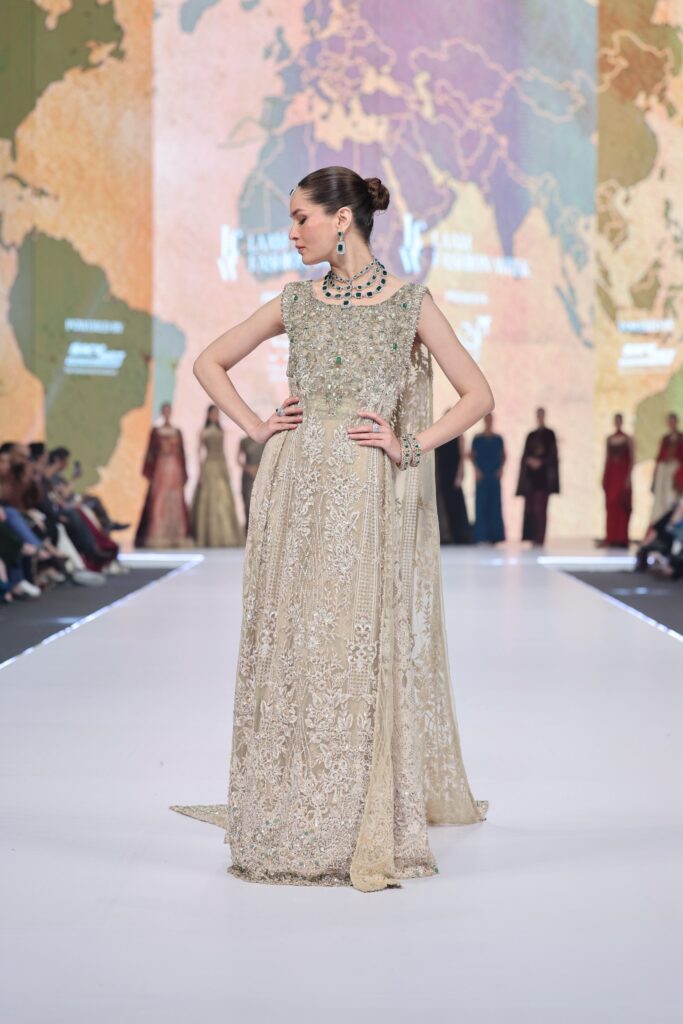
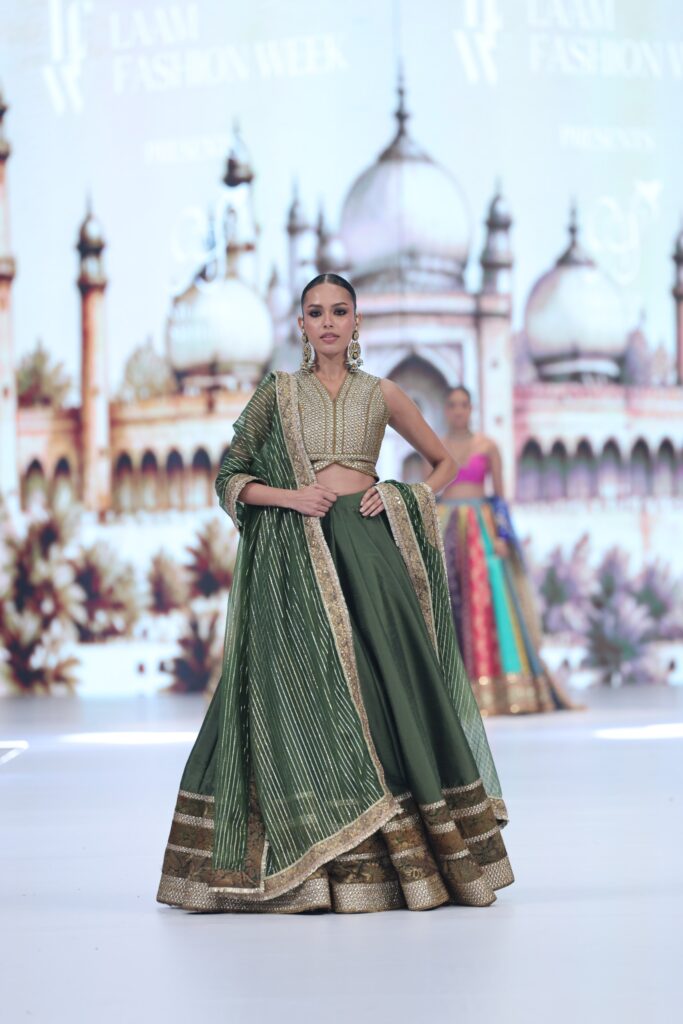
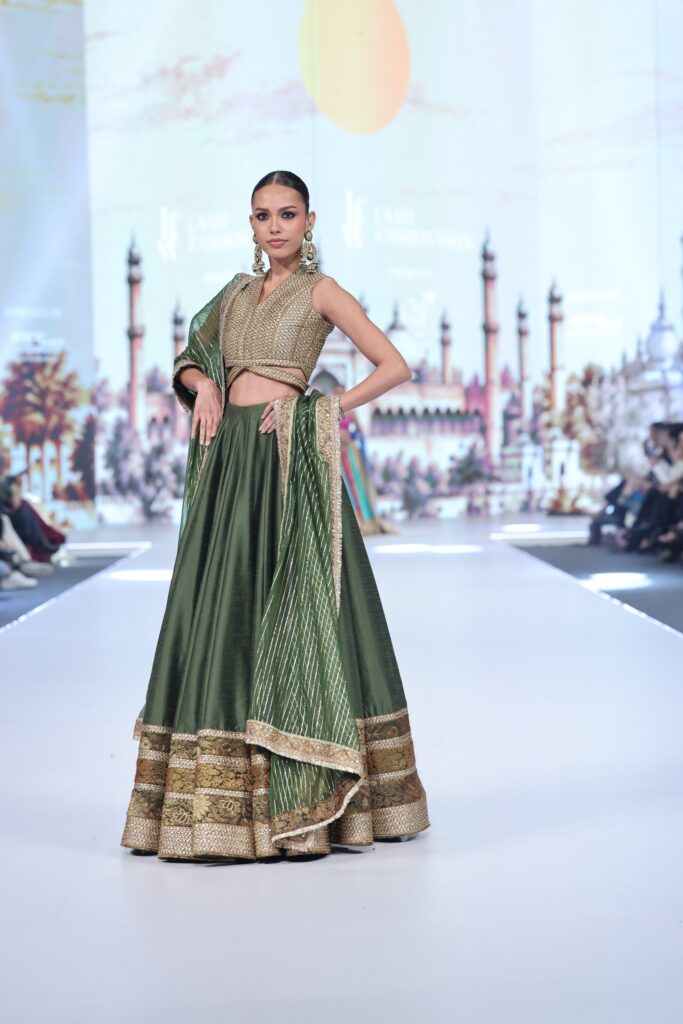
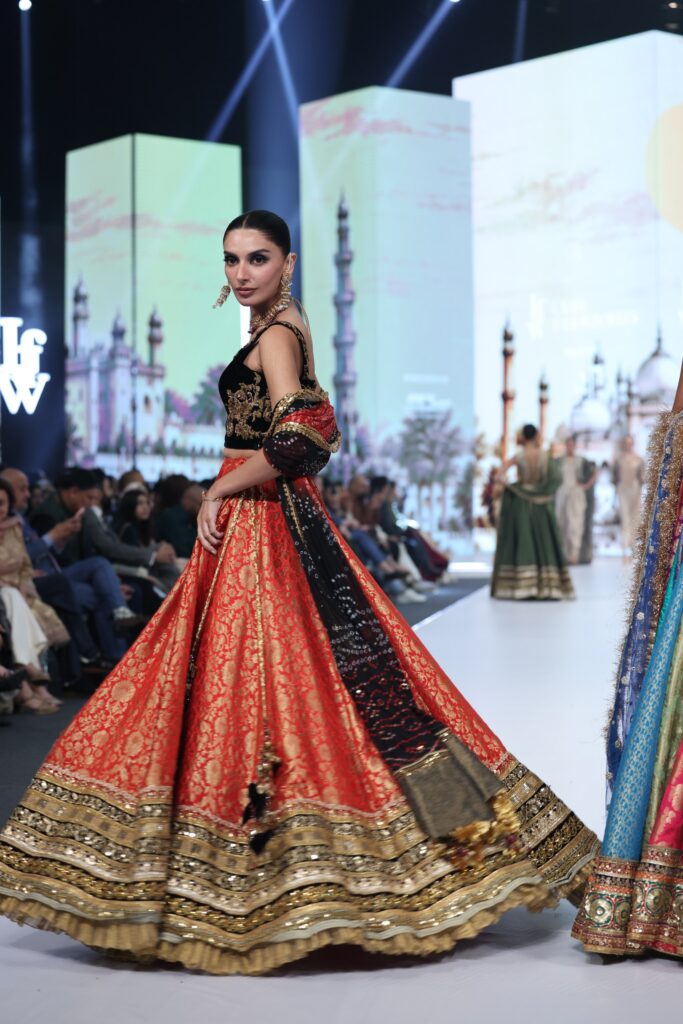
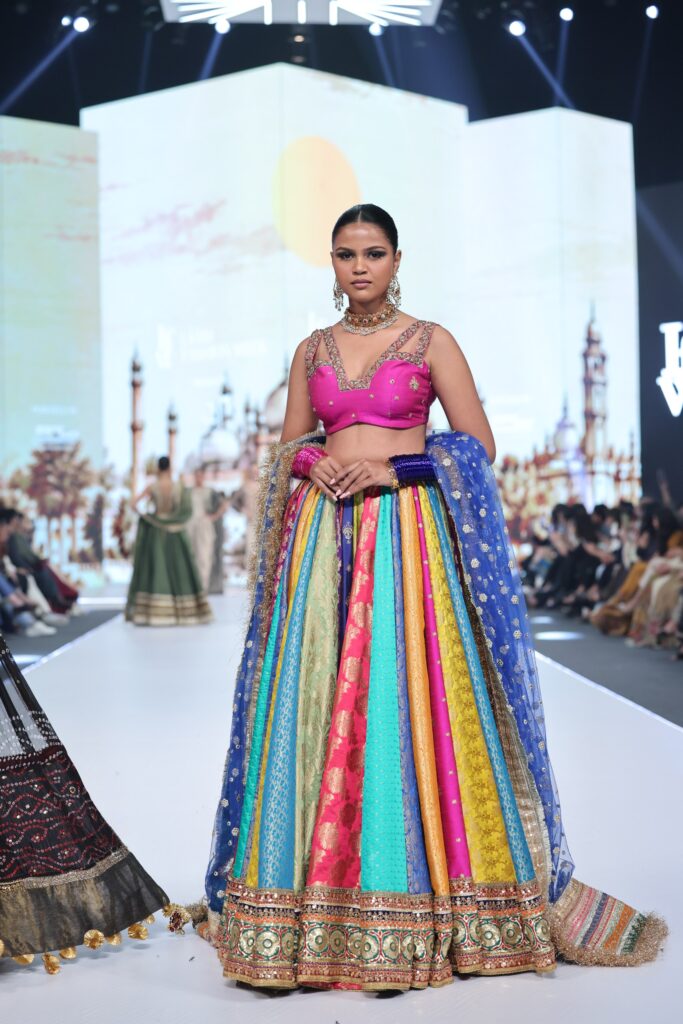
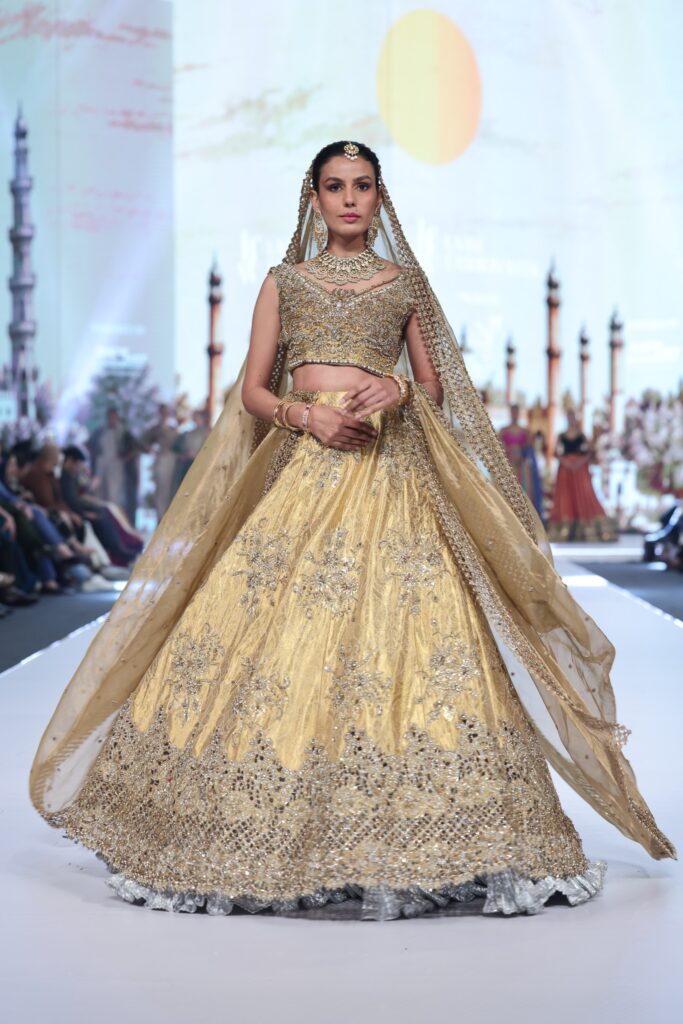
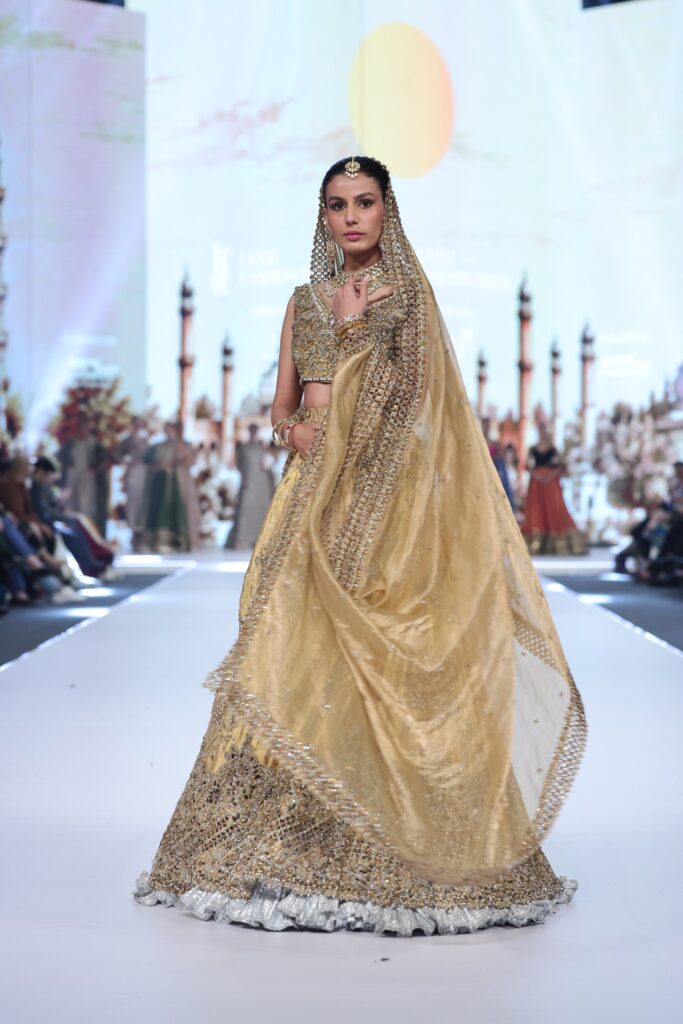
The journey began in pre-colonial Lahore, drawing from the artistic traditions of the Mughal and Sikh eras. Ghararas, peshwaz, jama-inspired tunics and flowing shirts appeared in emerald, ruby, sapphire and gold, alongside ivory and vivid Punjabi hues. The emphasis was on the richness of indigenous dressing, where layers, elaborate detailing and fluid forms reflected a deeply established sartorial culture.
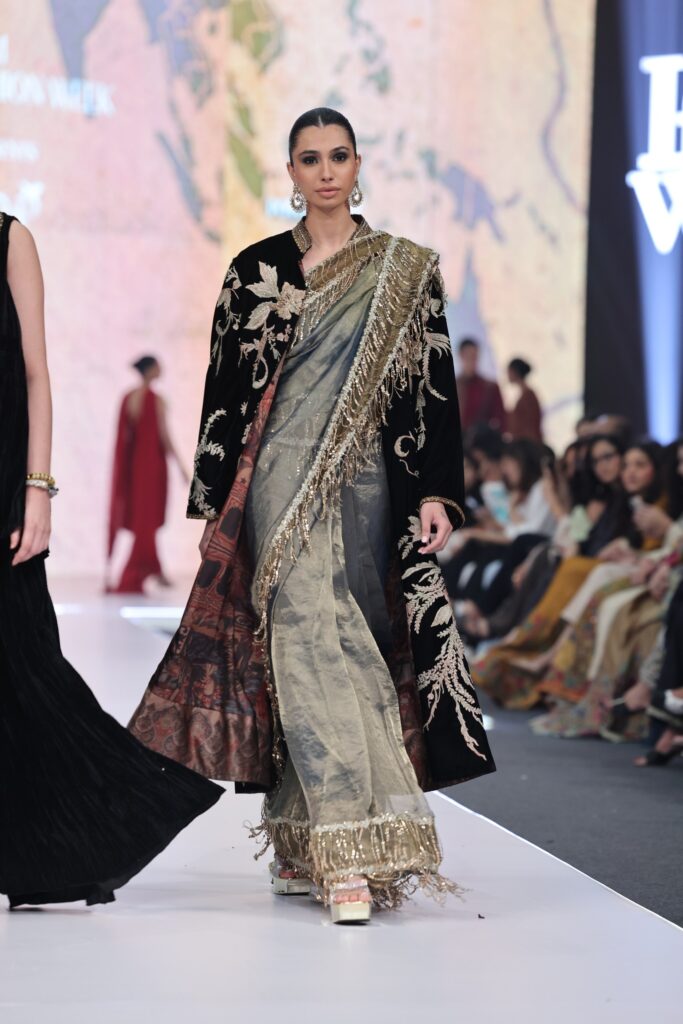
A marked shift followed with the arrival of the colonial chapter. European influences entered through high collars, tailored jackets, structured trousers, puffed sleeves and capes. Gone were the exuberant jewel tones, replaced by regimental reds, navy, khaki, black and stark ivory. Within Shahid’s narrative, these changing proportions and restrained shades spoke to the ways colonial authority influenced ideas of propriety, status and public appearance.
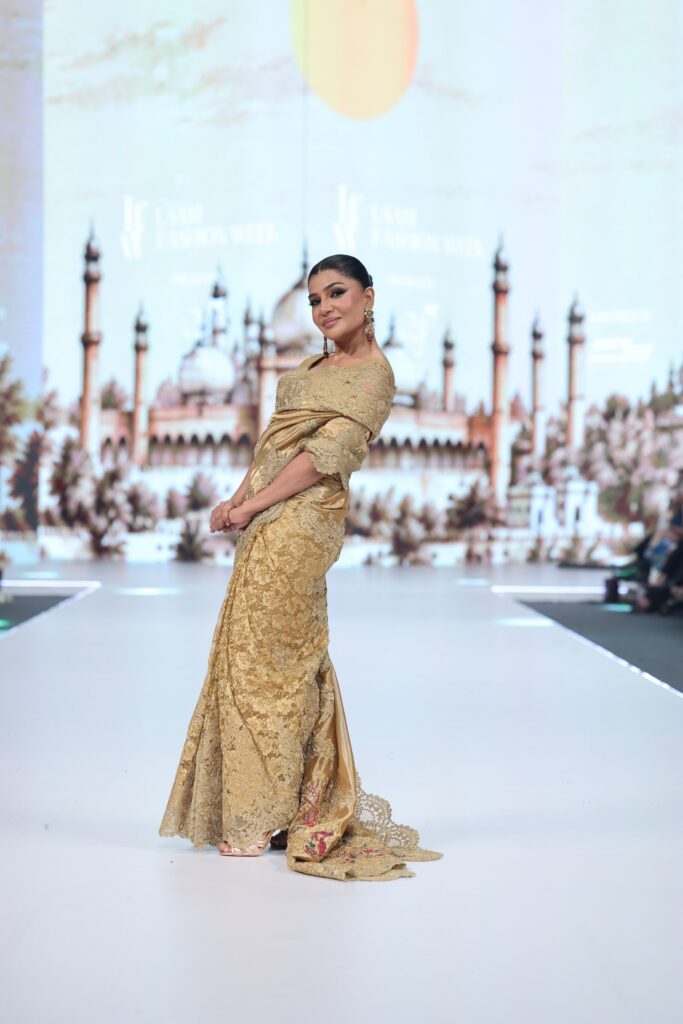
The decades following independence revealed another transformation. Chiffon saris, flowing ghararas, maxi dresses, flared trousers and elongated kameezes charted changing attitudes towards femininity and self-expression. Soft 1950s pastels gradually gave way to the expressive prints and earthy shades of the 1970s, before the narrative arrived at the more subdued monochromes of the 1980s.
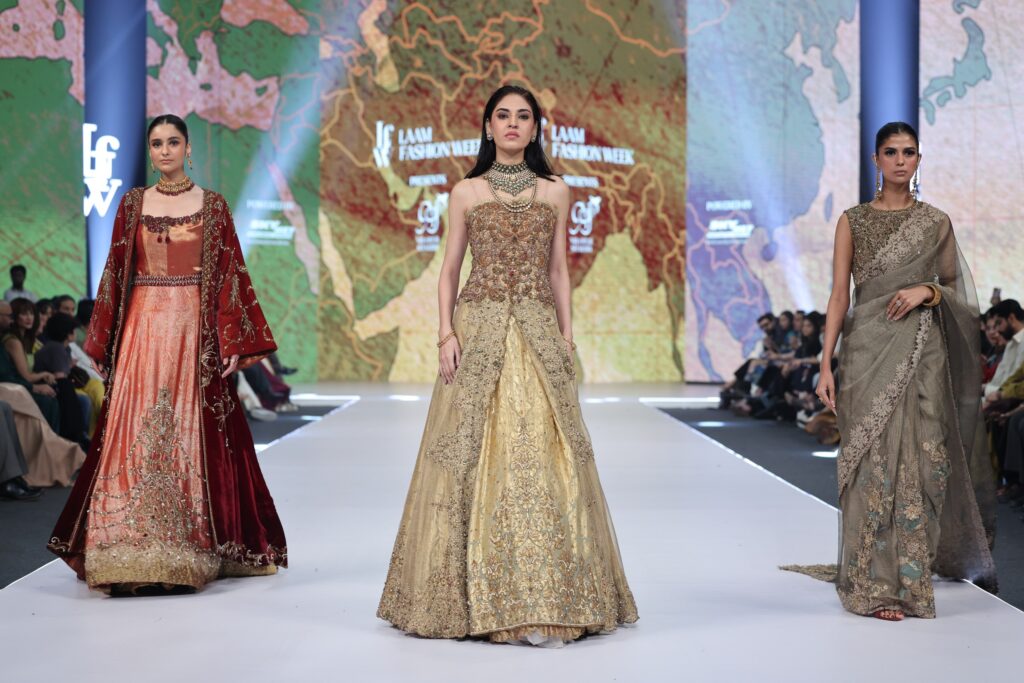
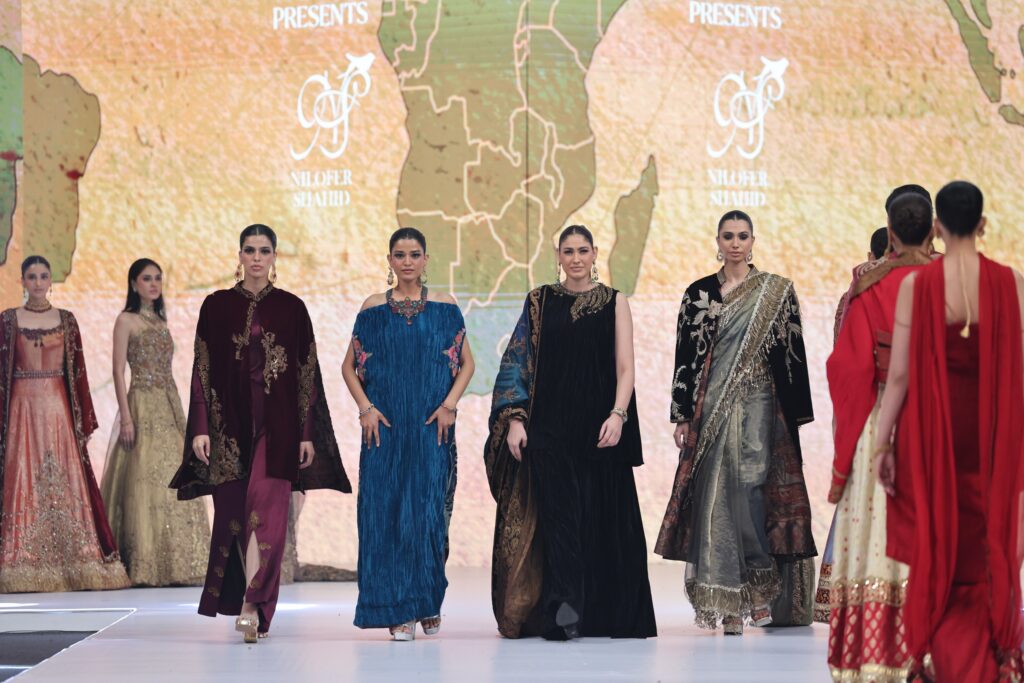
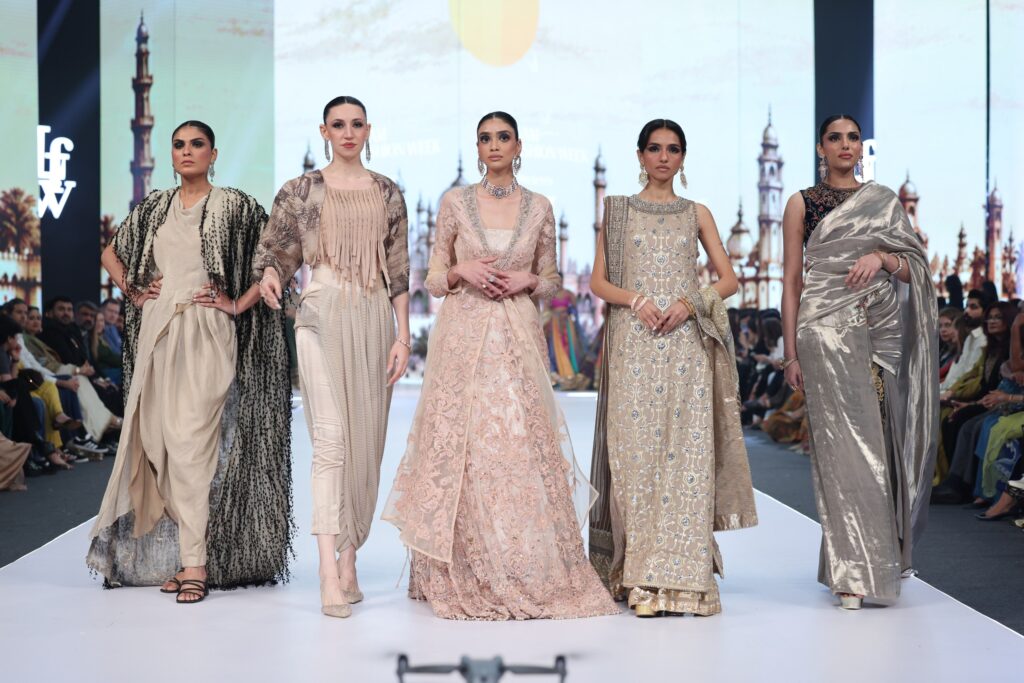
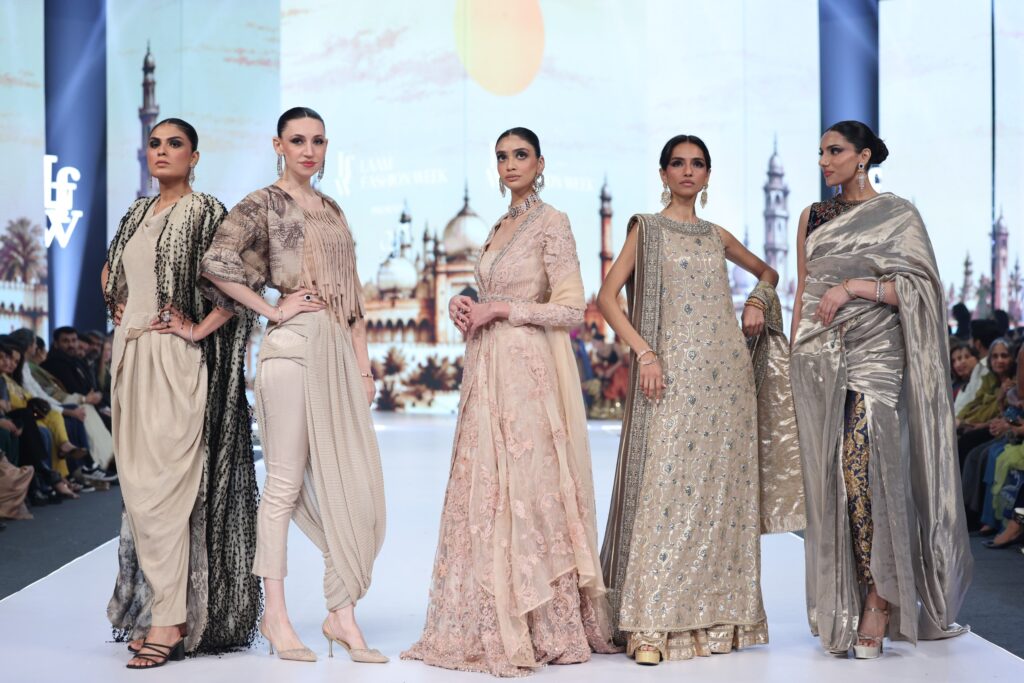
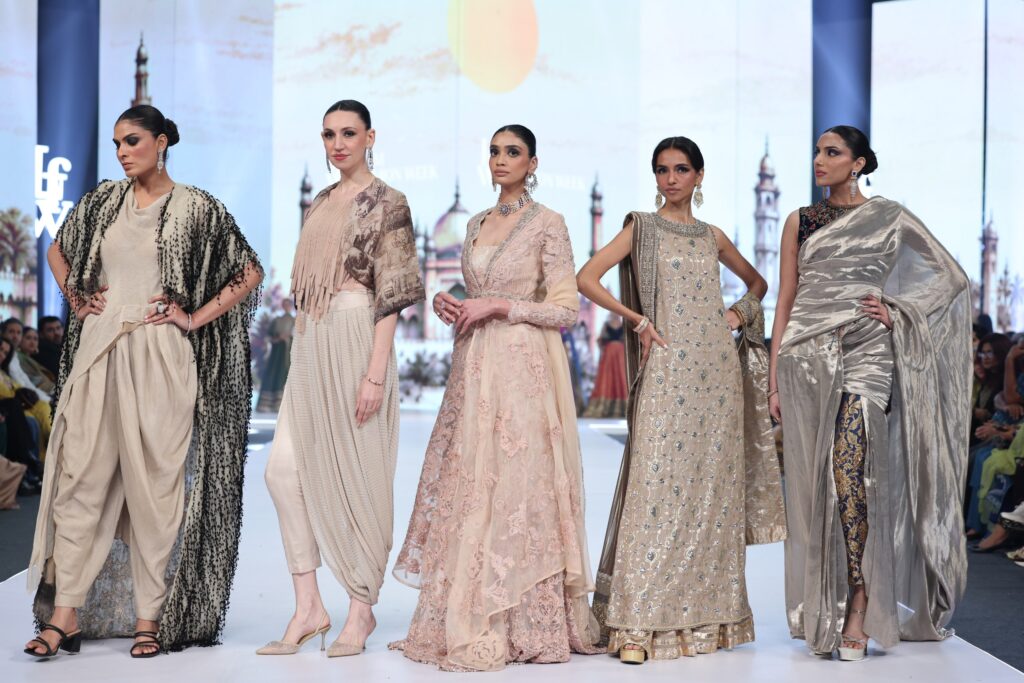
For the final chapter, Shahid turned her attention to contemporary Pakistan, where the distinctions between inherited tradition and Western influence became less rigid. Embellished jackets met denim, corsets accompanied familiar Eastern shapes, and asymmetrical cuts reworked the conventions of classic tailoring. Metallic finishes, jewel colours and black appeared alongside softer whites and pastels, suggesting a wardrobe no longer confined to a single cultural reference.
There was a larger argument running through the presentation: the history of Pakistani dress cannot be separated from the forces that shaped the country itself. Political transitions, colonial encounters and changing social expectations have all left their imprint on what people wear.
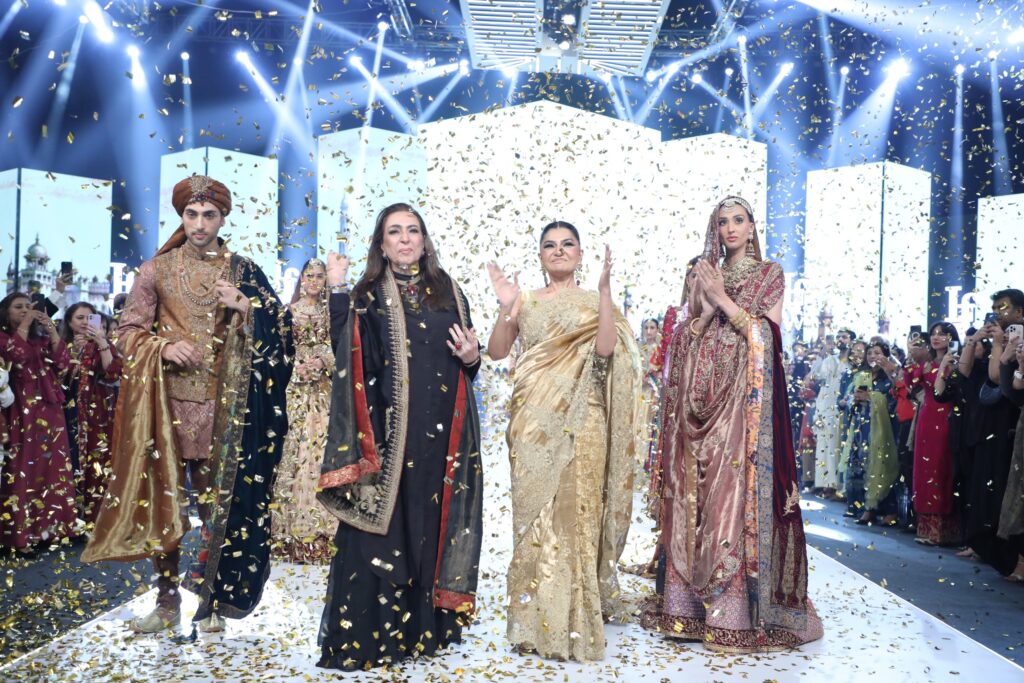
For Shahid, whose design practice has long drawn upon the region’s artistic inheritance, the past remained central to the conversation. Yet the closing looks suggested that preserving tradition need not mean reproducing it unchanged.
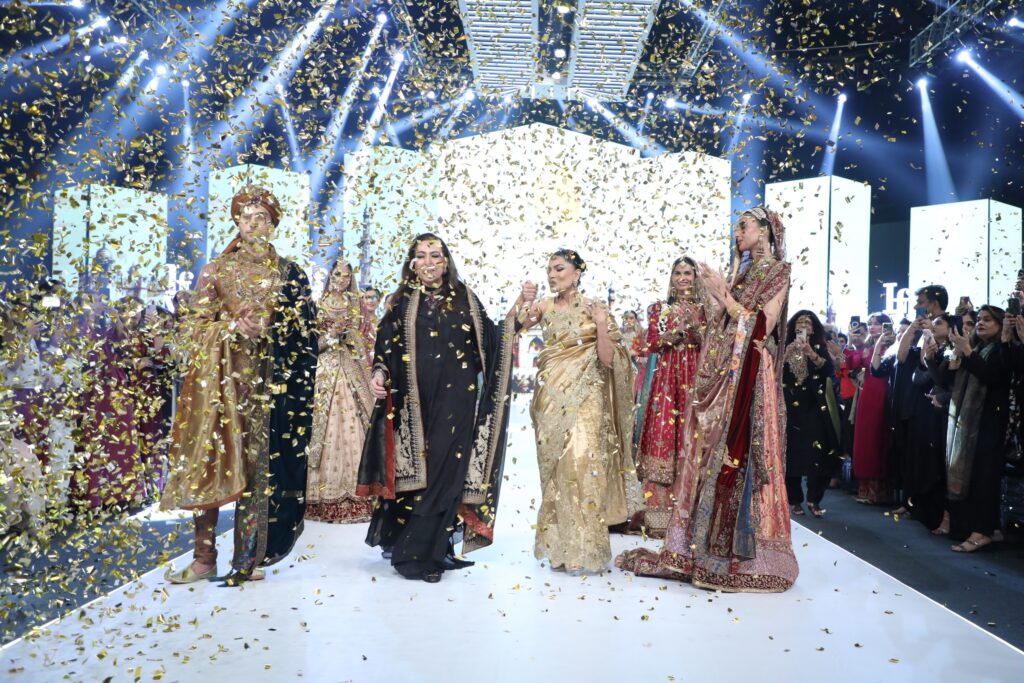
At LAAM Fashion Week, Meeras presented fashion as an archive that continues to be written, with each generation deciding what to preserve, what to reconsider and what to make its own.