The Soft Geometry of Mohsin Tawasuli’s Draped and Tailored Silhouettes


A museum artefact can be remembered for its shape long after its decorative details have faded from memory. That distinction offers an interesting way to understand Mo by Mohsin Tawasuli, whose collection draws on historical objects and heritage sites without attempting to reproduce them.
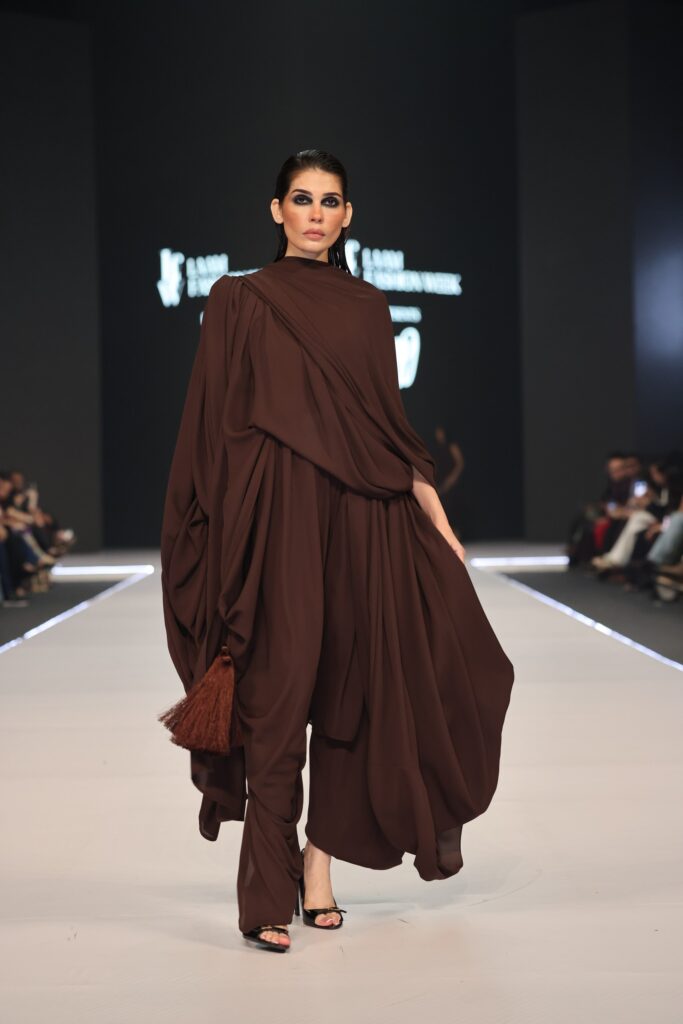
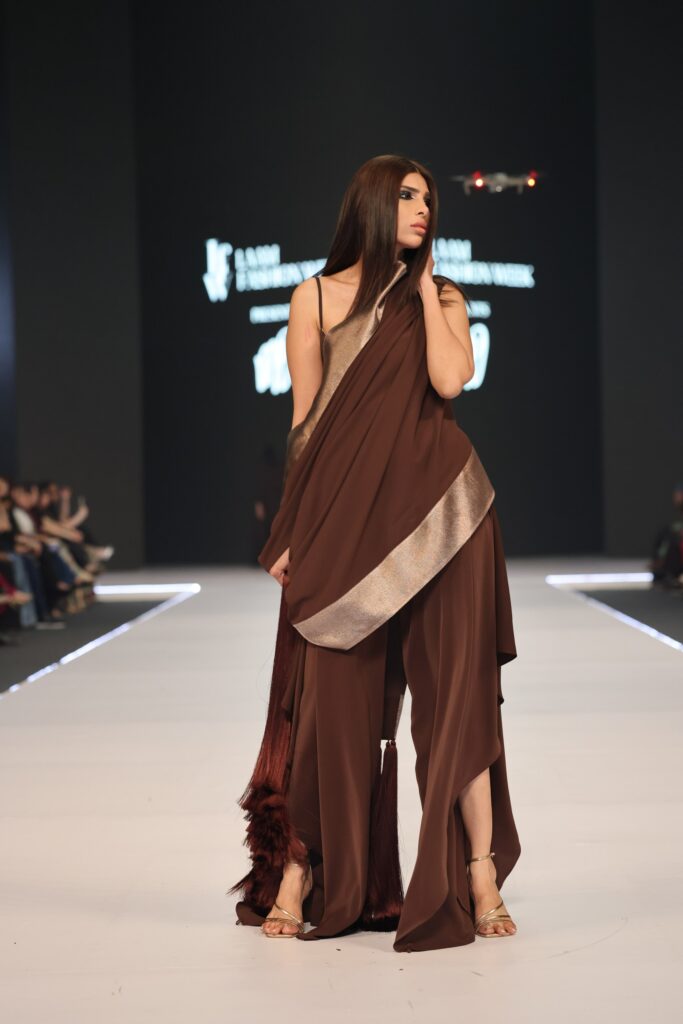
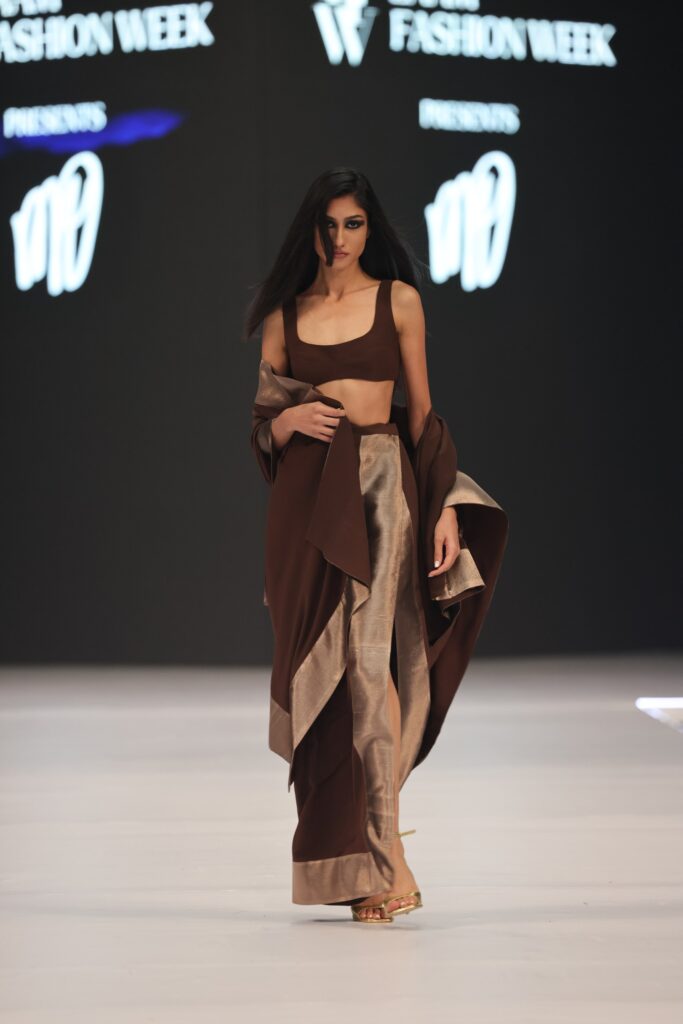
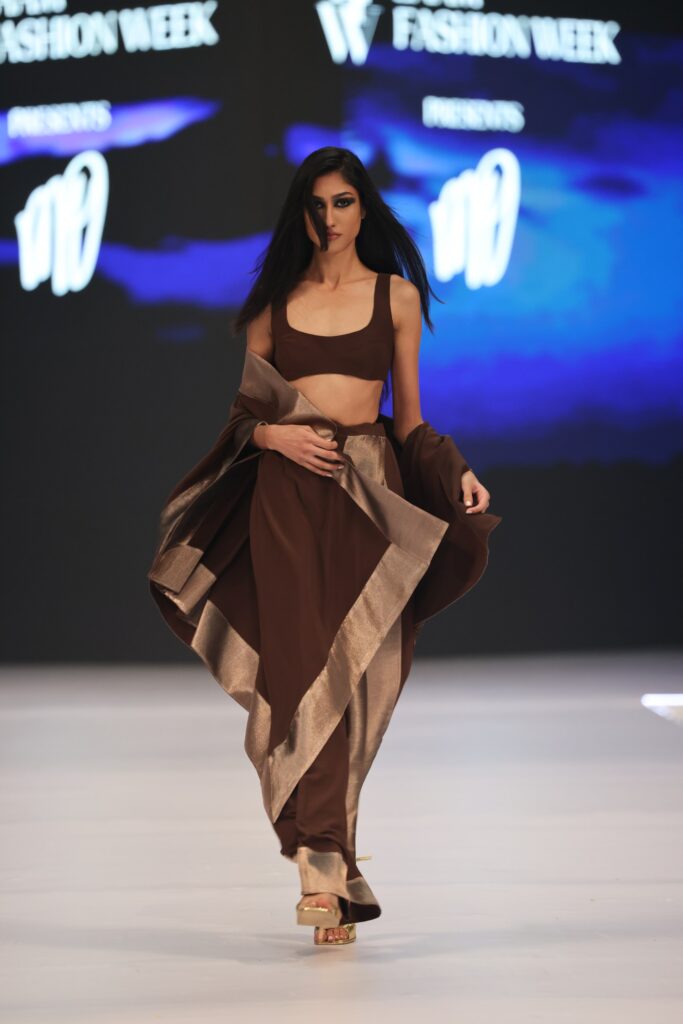
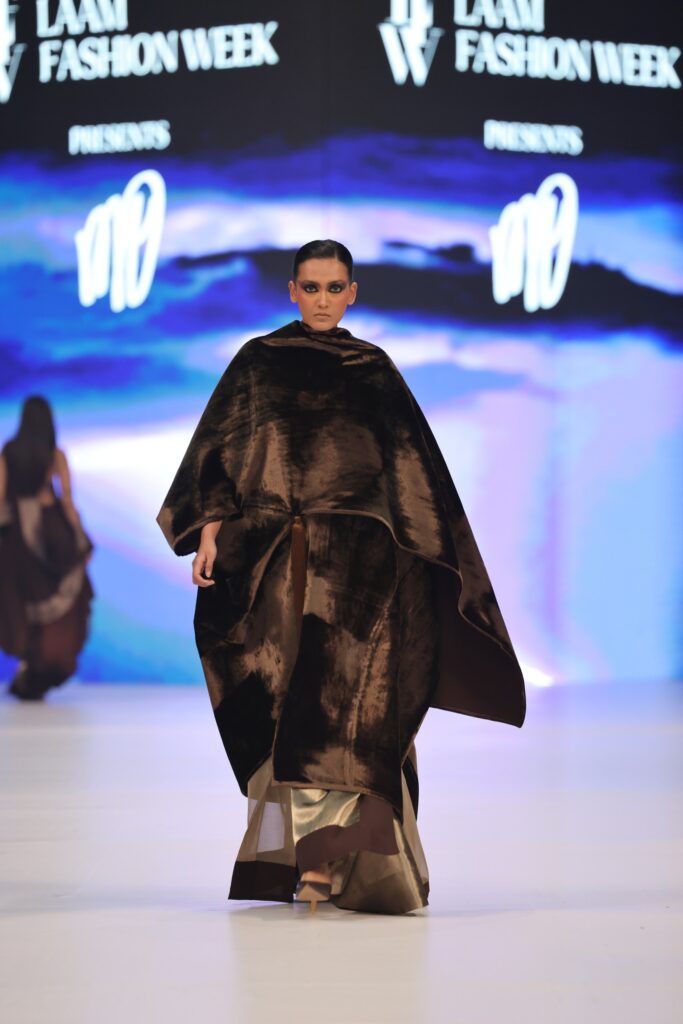
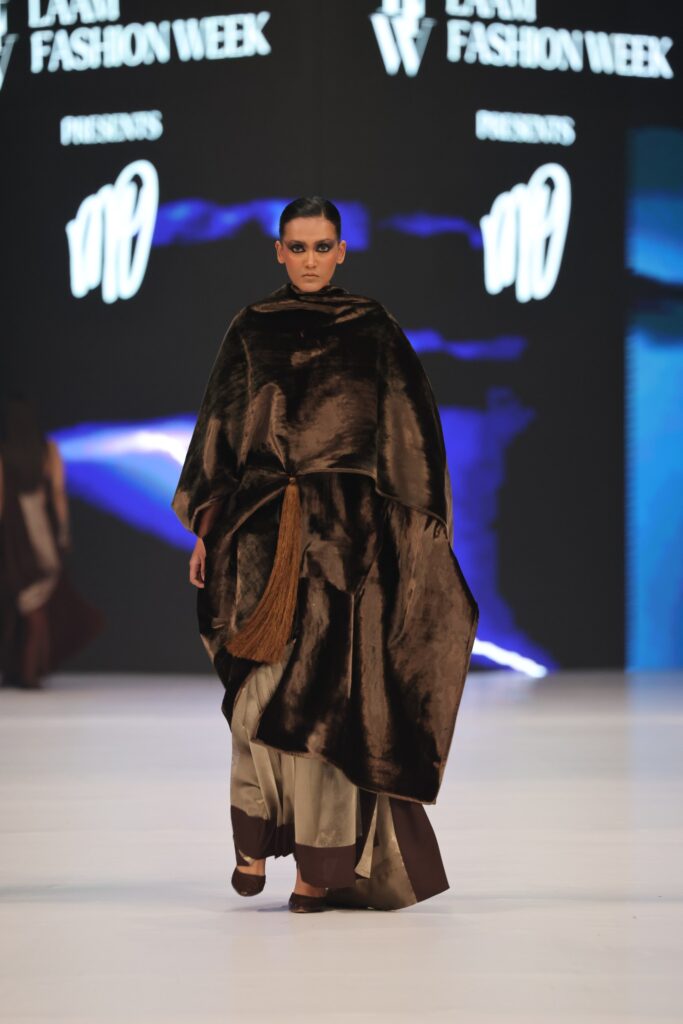
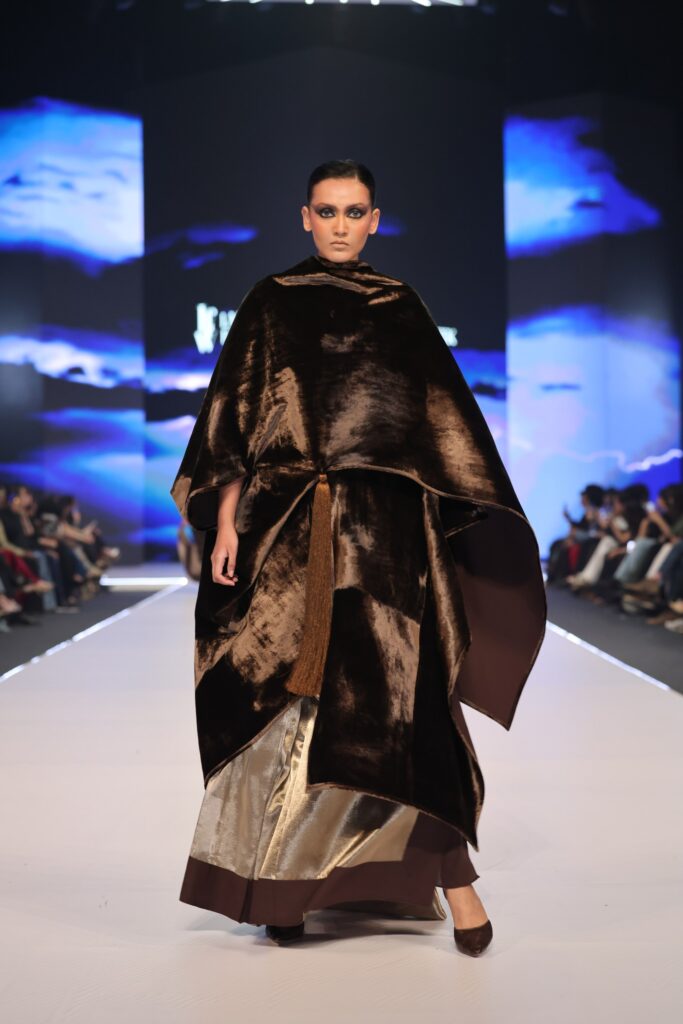
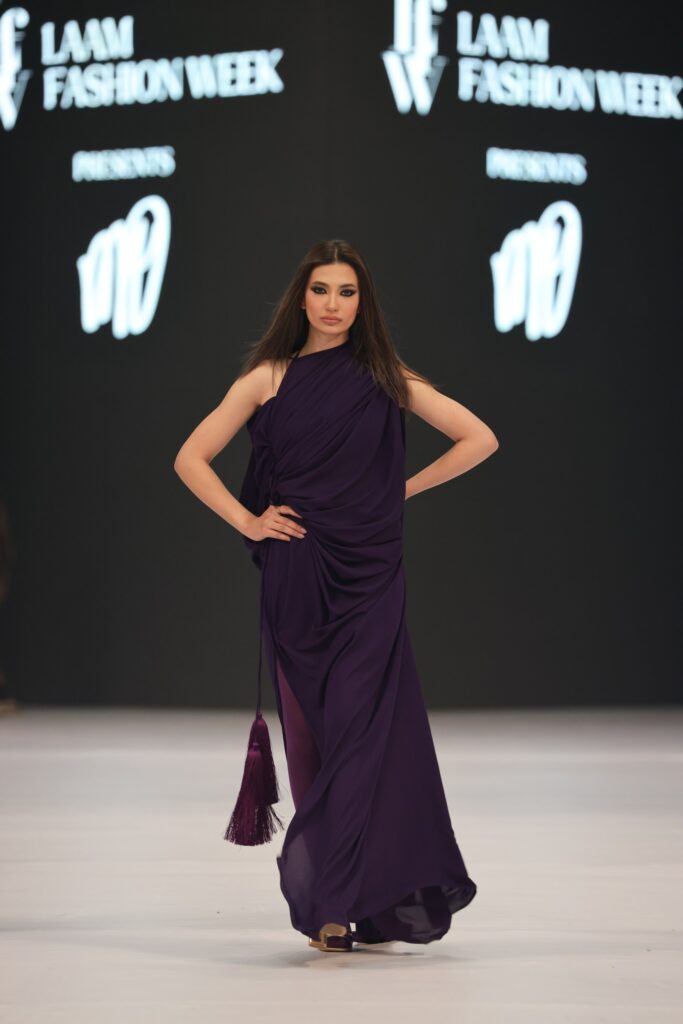
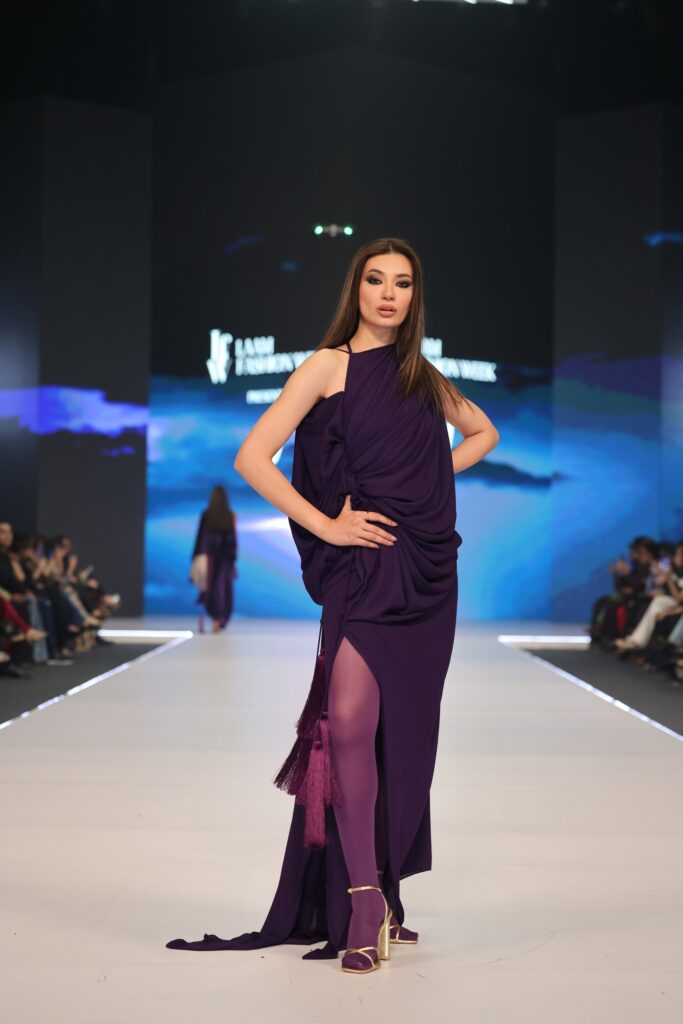
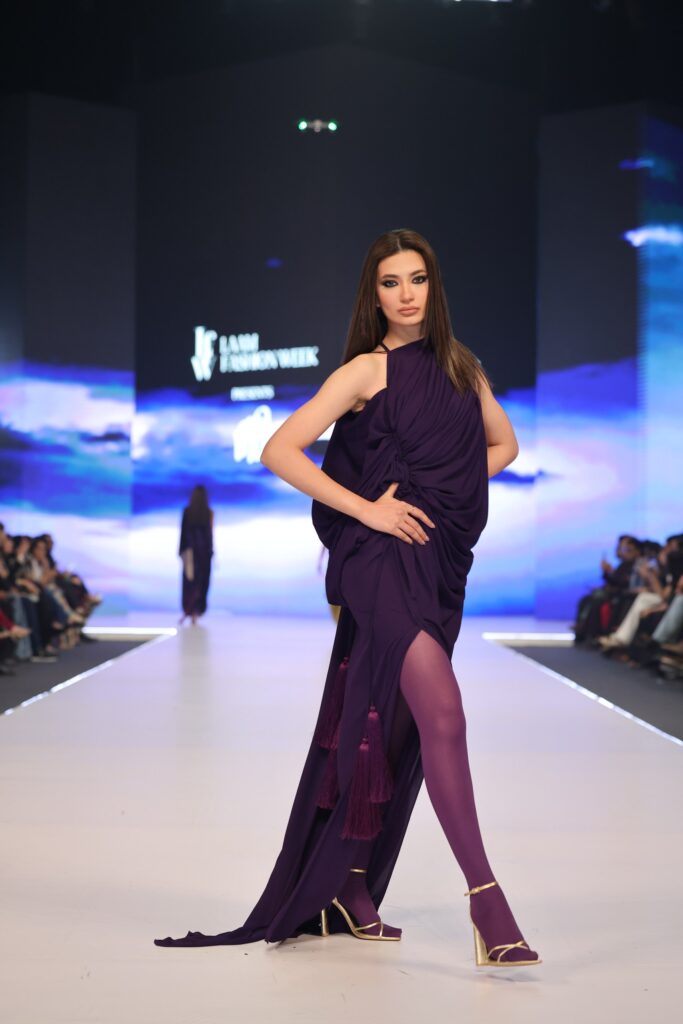
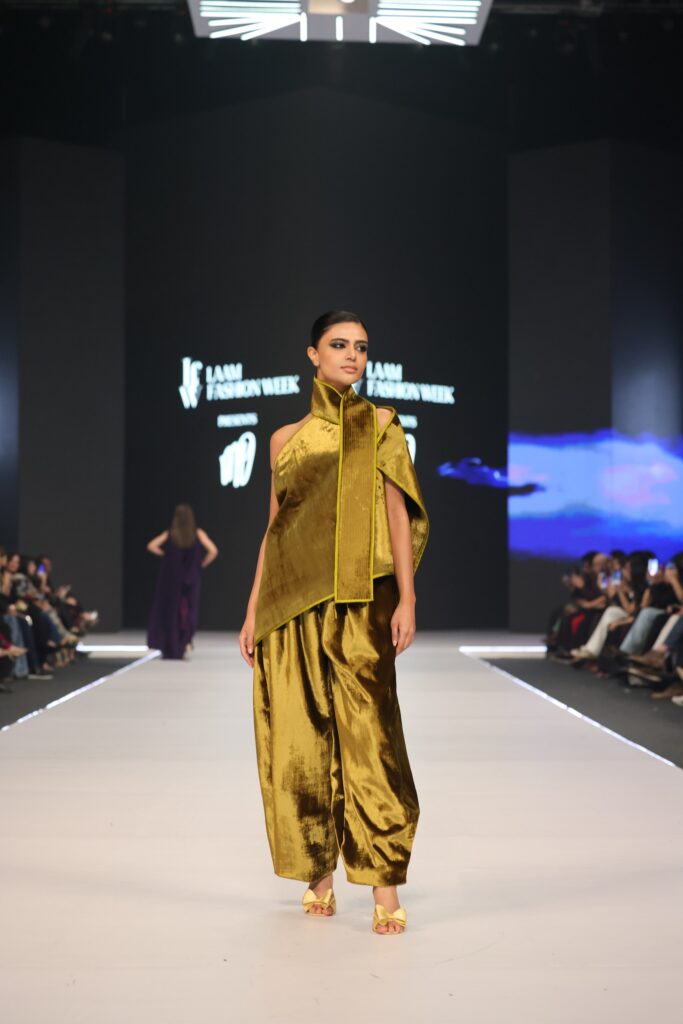
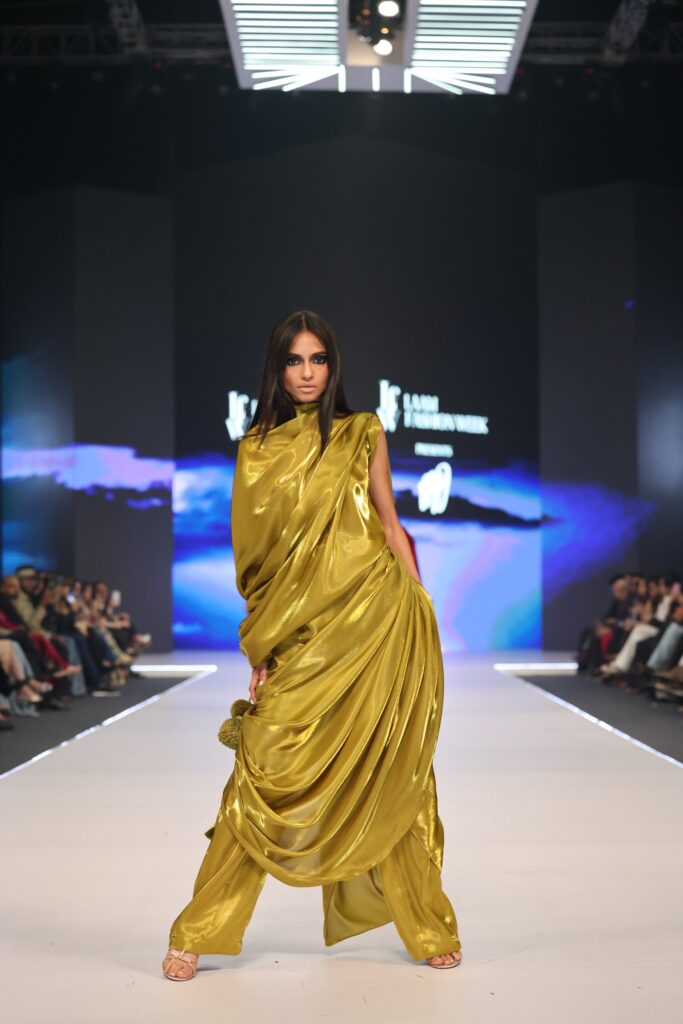
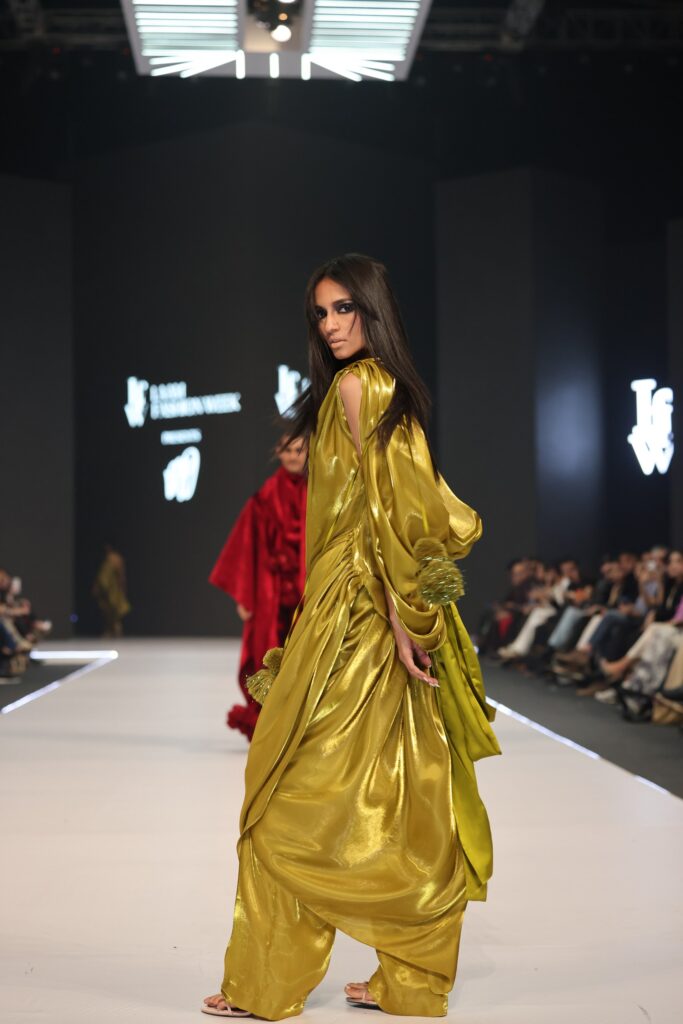
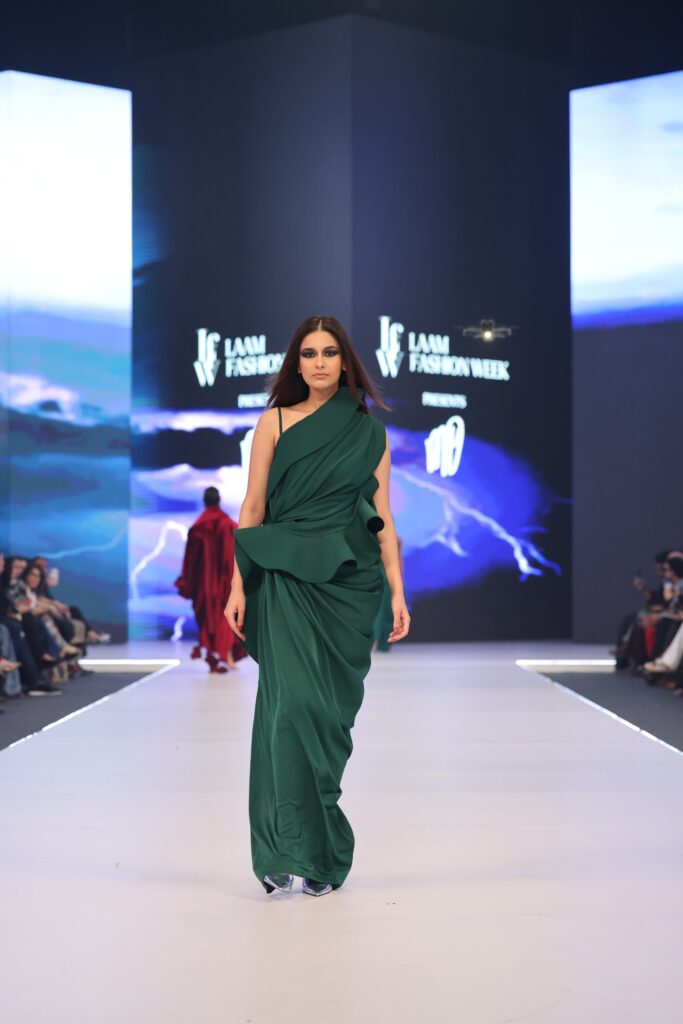
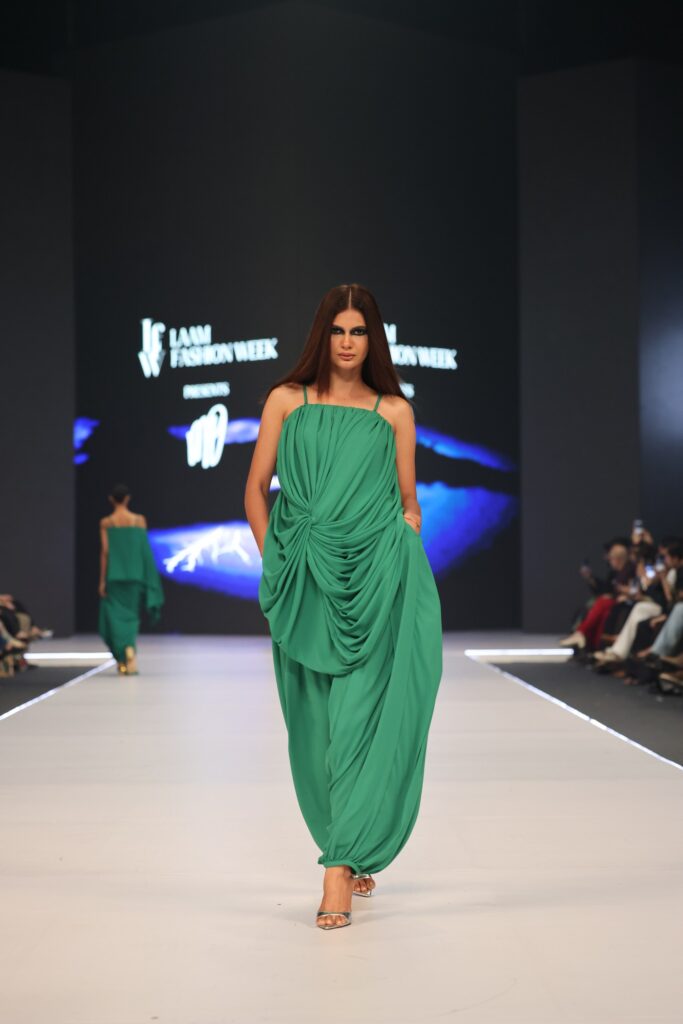
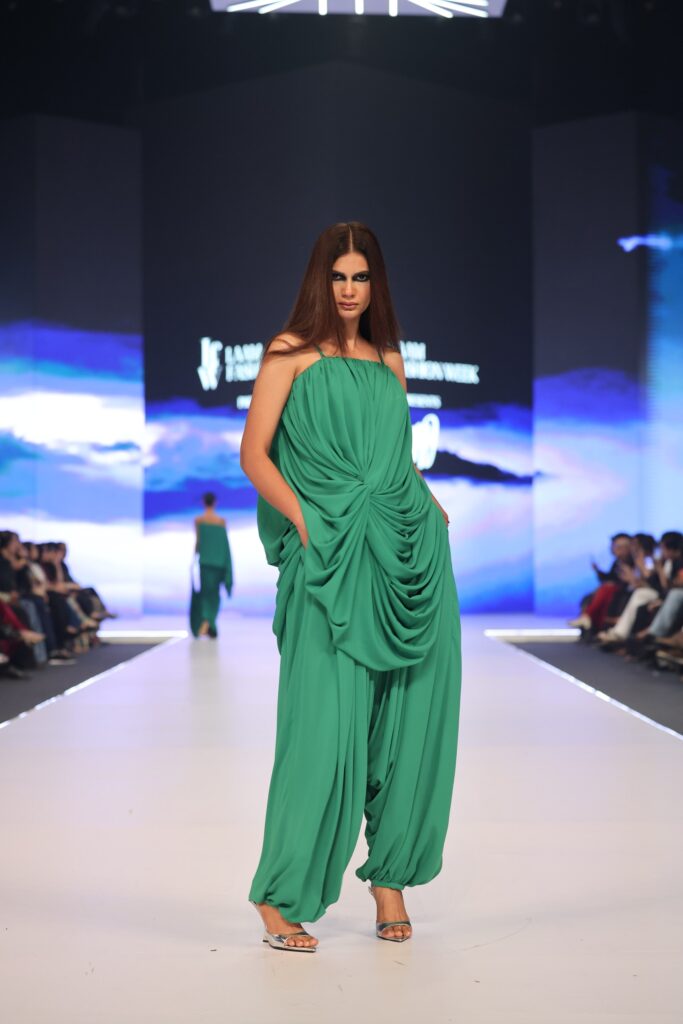
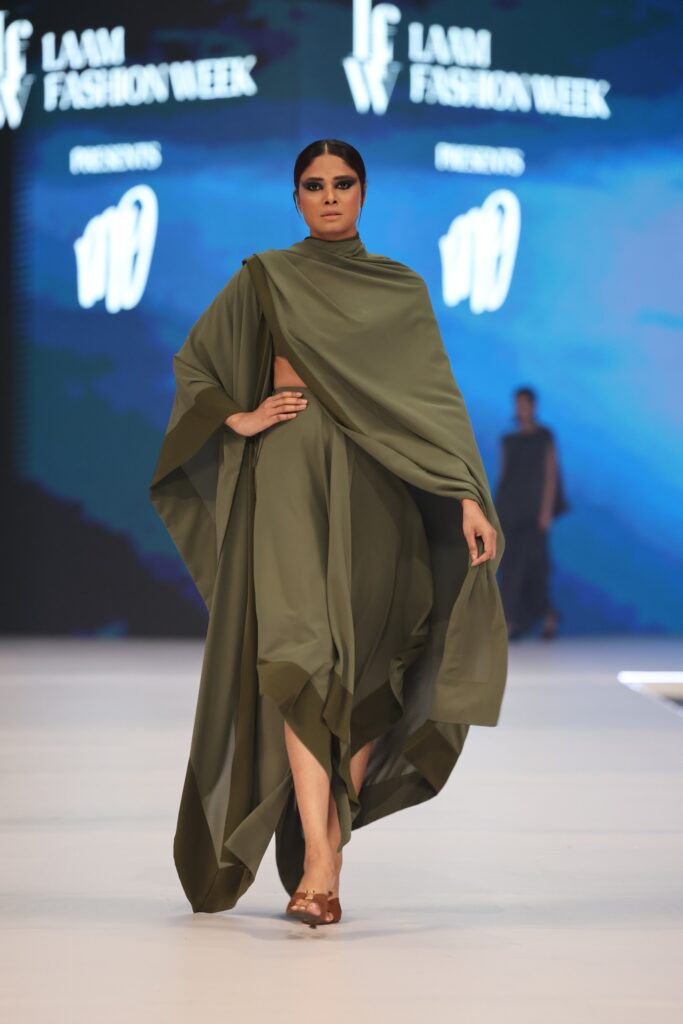
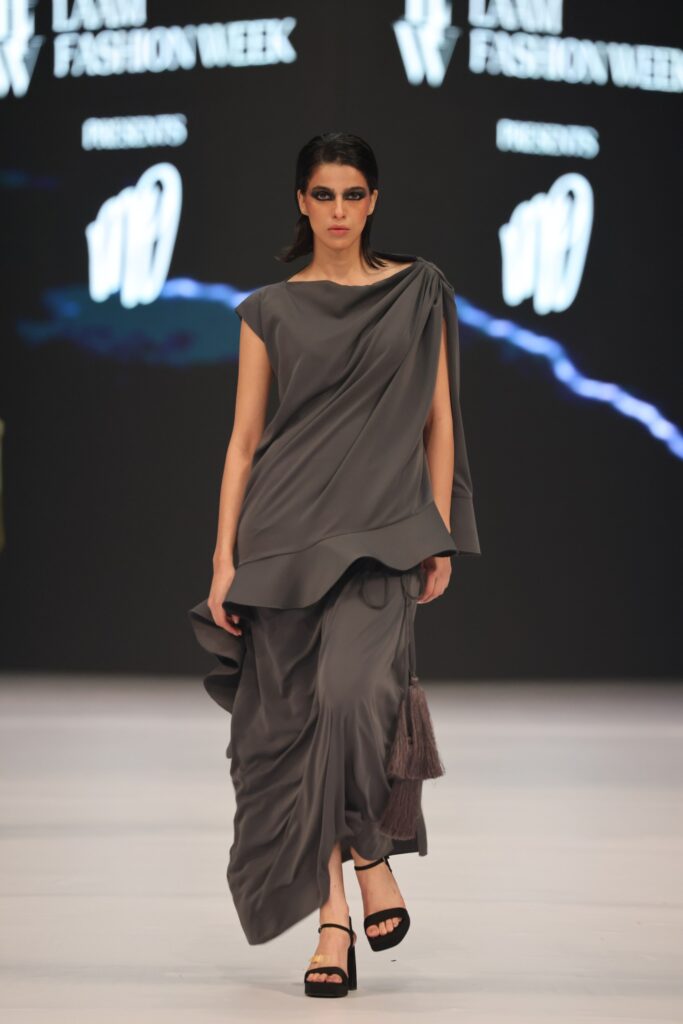
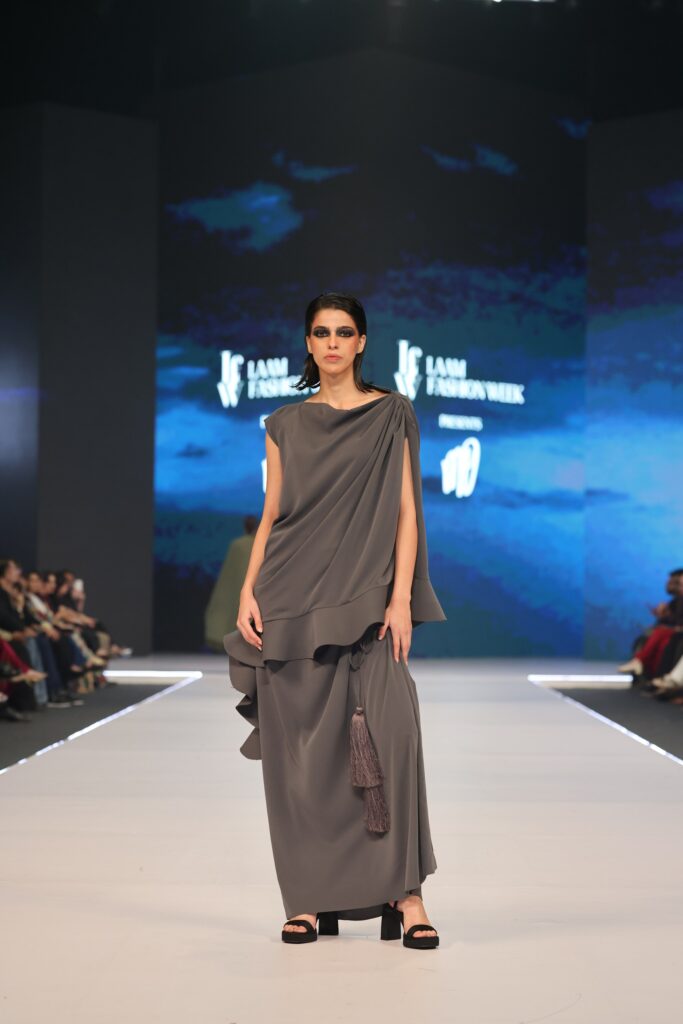
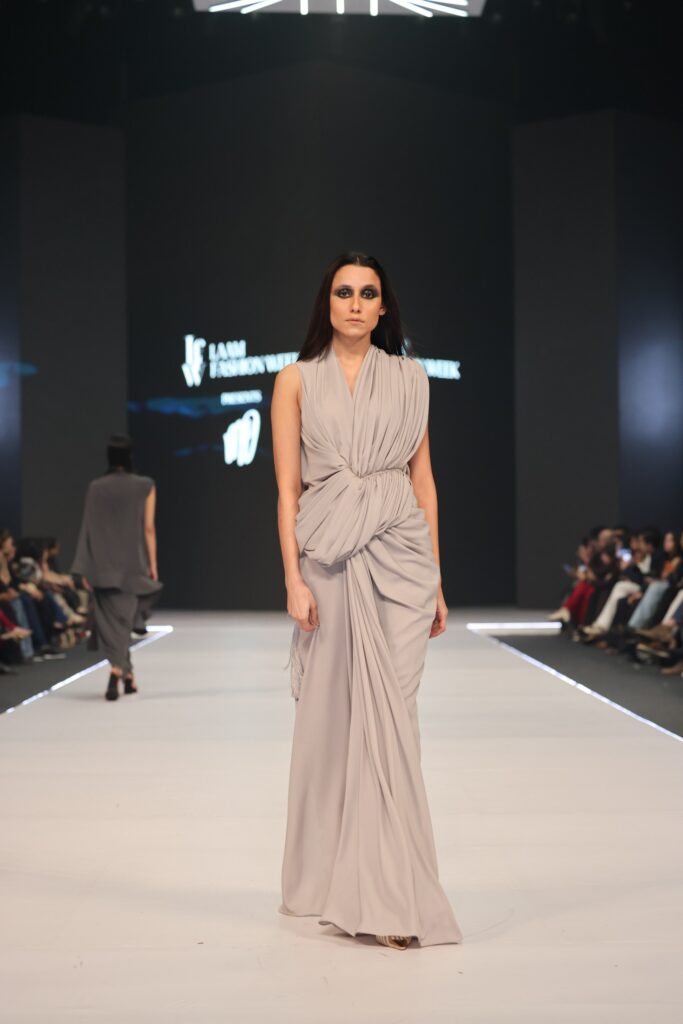
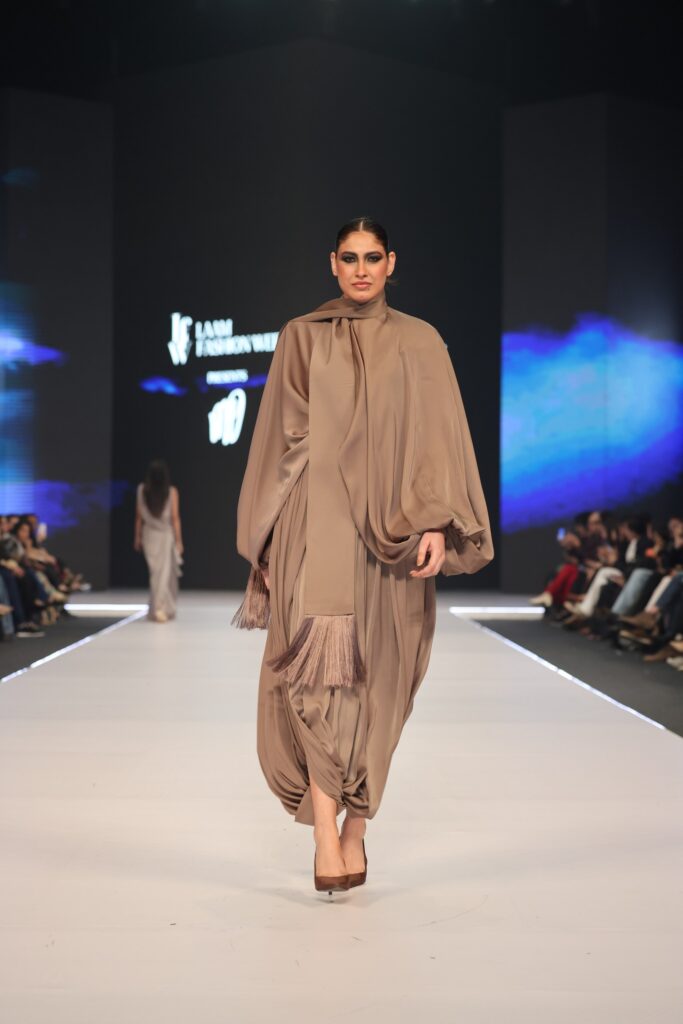
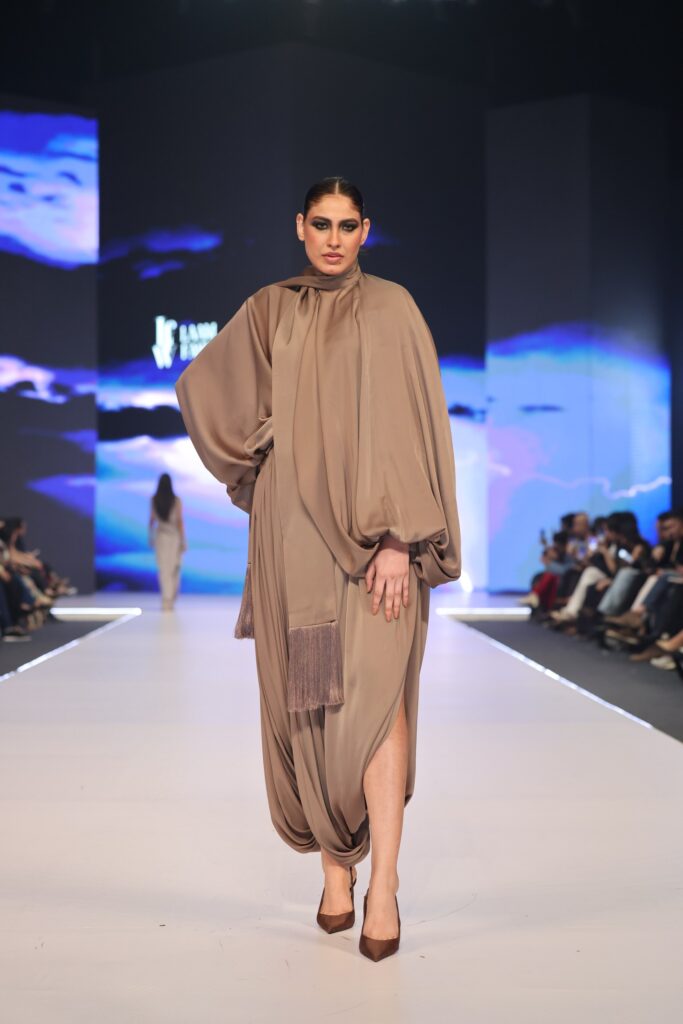
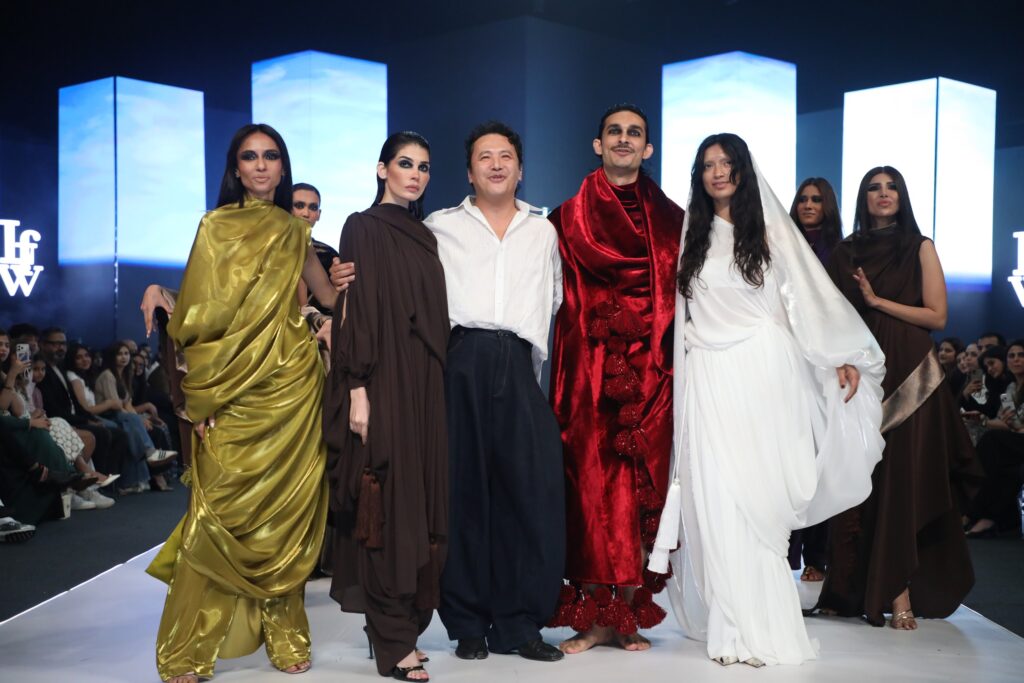
The emphasis falls on silhouette. Gentle contours temper the definition of contemporary cuts, while fluid draping introduces movement around more precisely tailored forms. Fabric is allowed to fall naturally, but the overall construction retains a considered sense of proportion. The result is clothing in which historical influence is suggested through shape rather than announced through recognisable motifs.
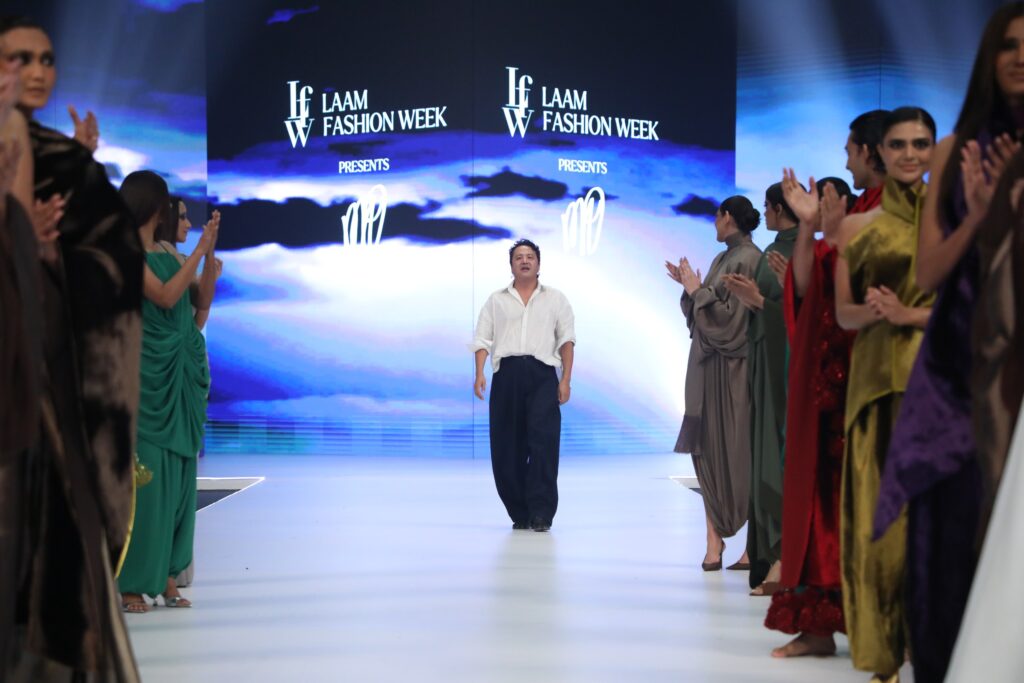
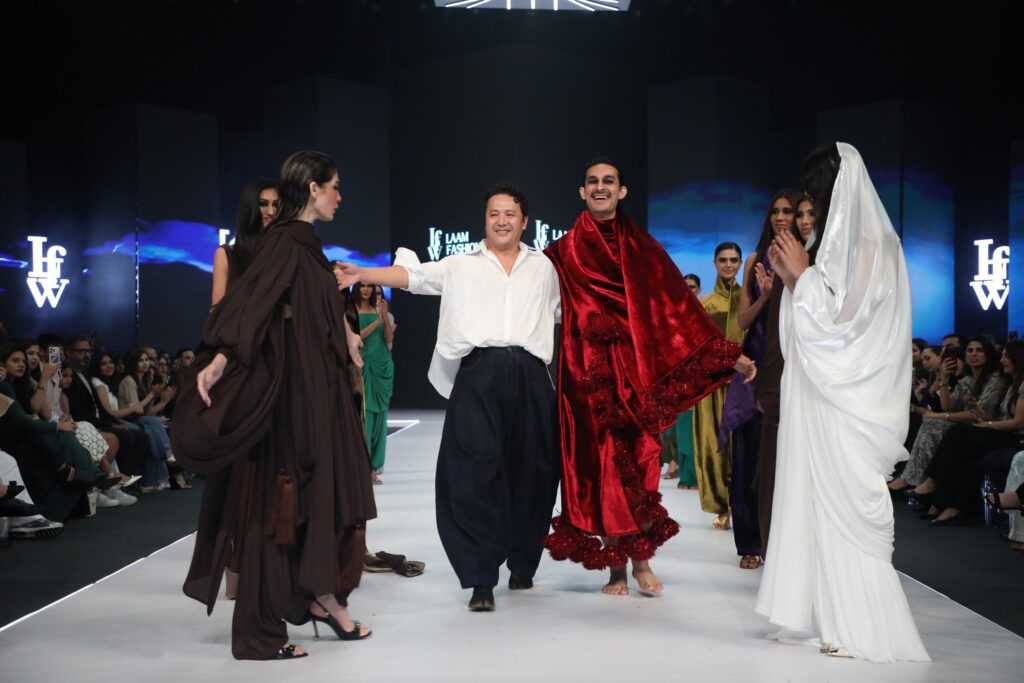
Within the wider context of LAAM Fashion Week, Tawasuli’s approach offers a measured interpretation of heritage. Instead of treating museum references as decorative material, the designer translates their visual qualities into the relationship between texture, line and volume. History becomes less a subject to illustrate than a resource for thinking about how garments occupy space.
There is also a particular understanding of femininity at work here. Softness does not diminish the authority of a tailored silhouette, just as structure need not restrict its movement. Both qualities contribute to the collection’s character without requiring one to dominate the other.
What emerges is a wardrobe informed by the past but unconcerned with looking historical. Its references are felt most clearly in the decisions that shape the clothes, rather than in anything explicitly borrowed from another era.