Pattern Clash Is the Point in Aramis Haijaan’s LAAM Fashion Week

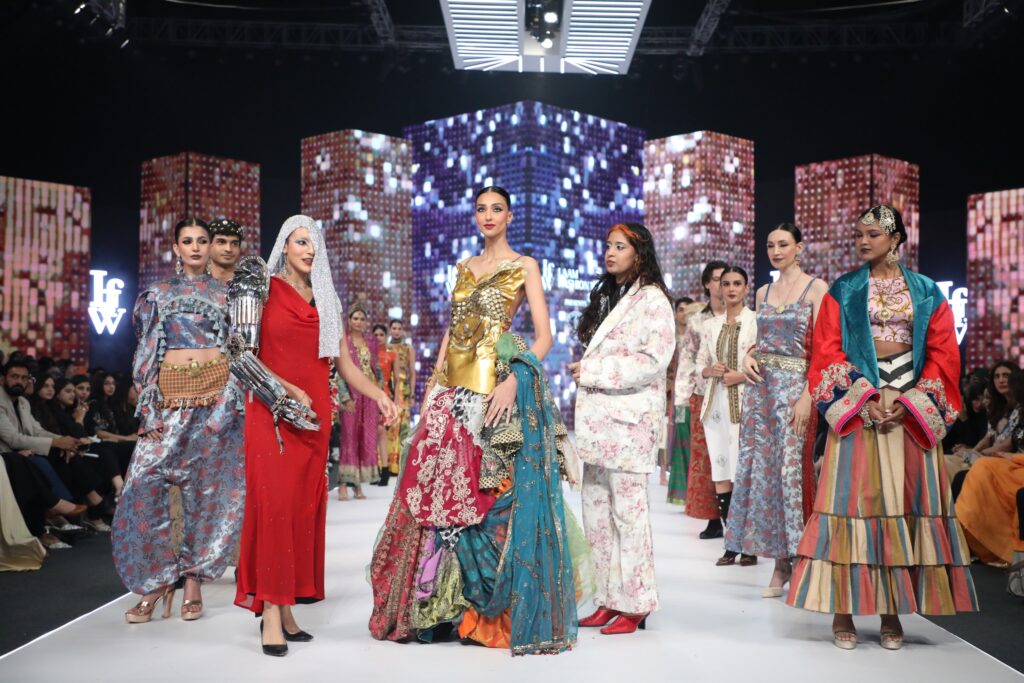
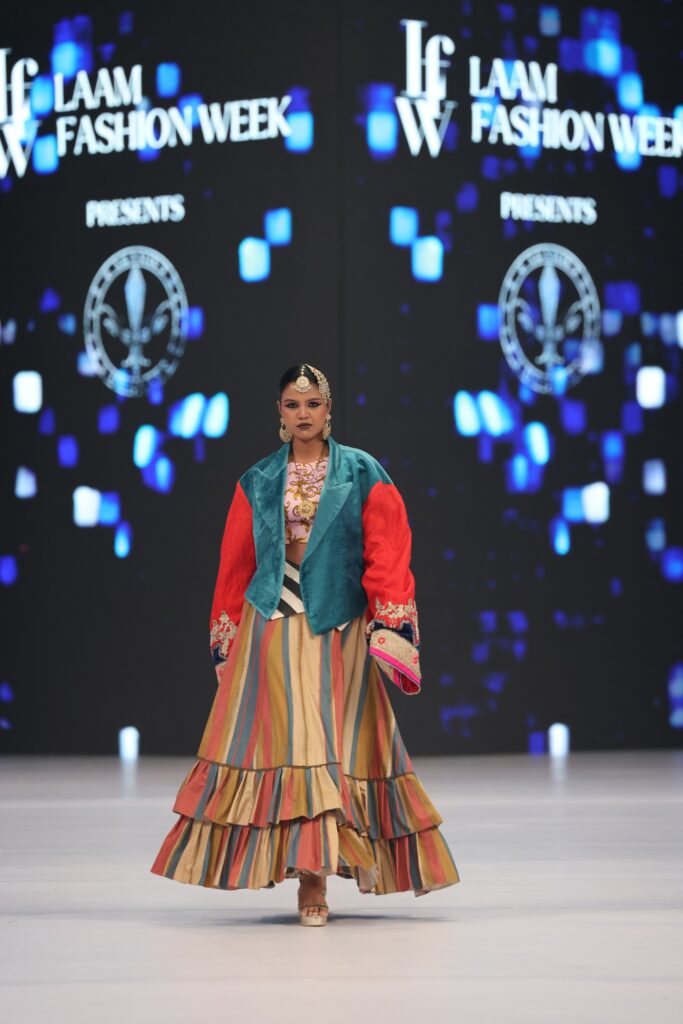
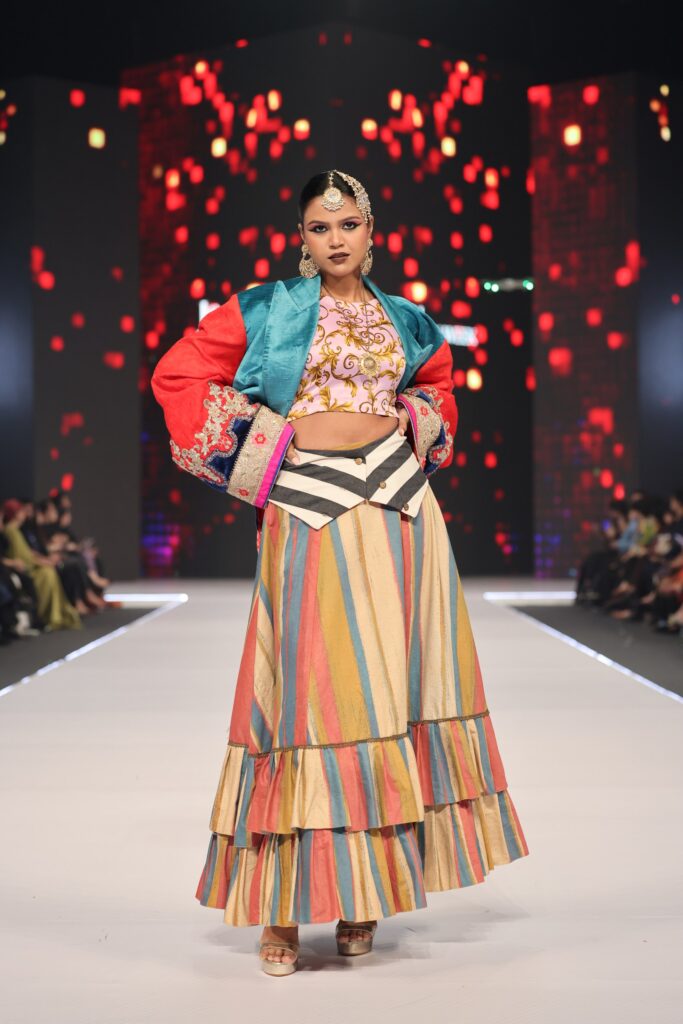
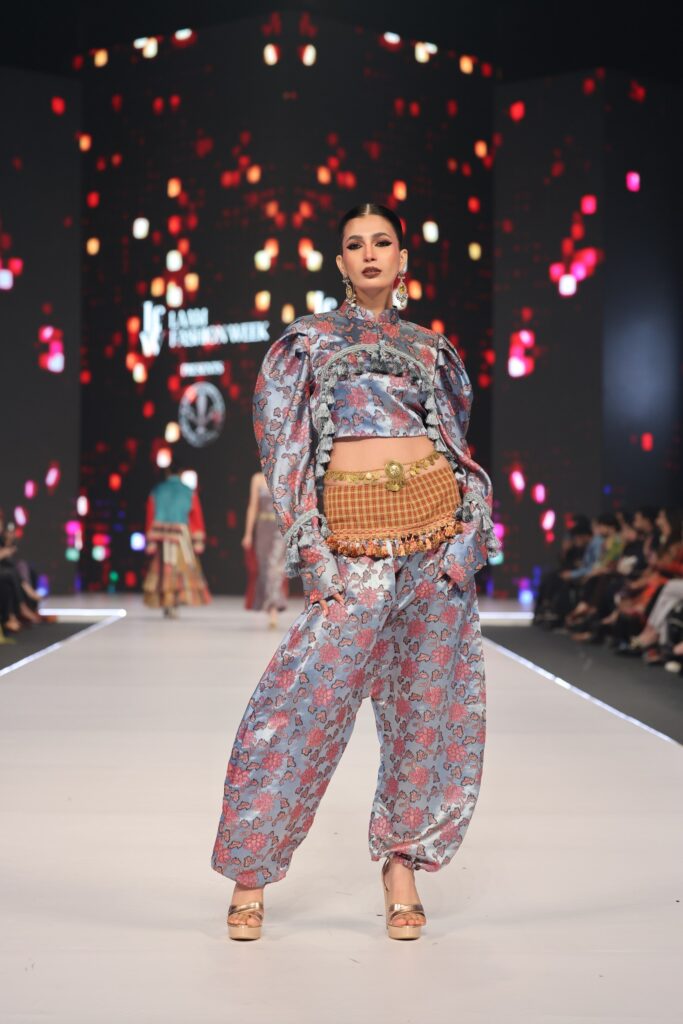
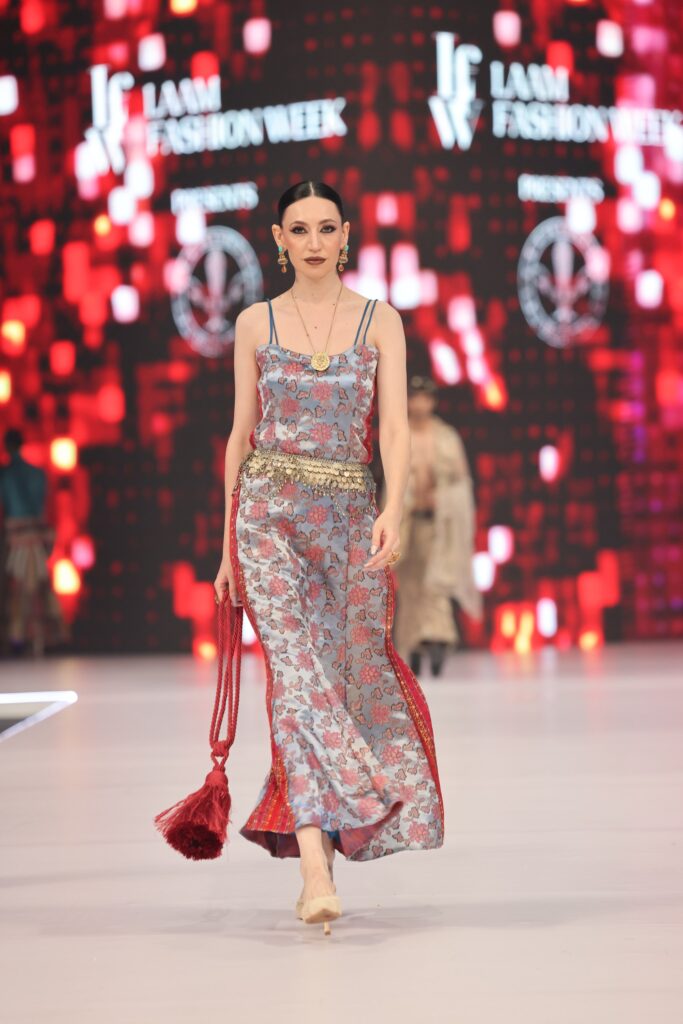
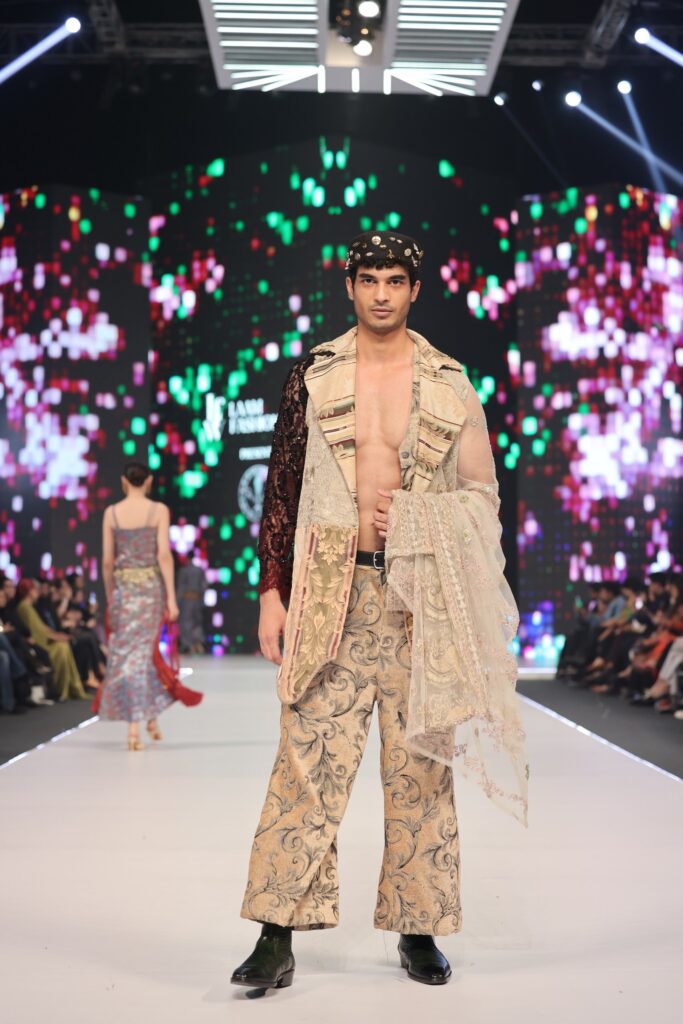
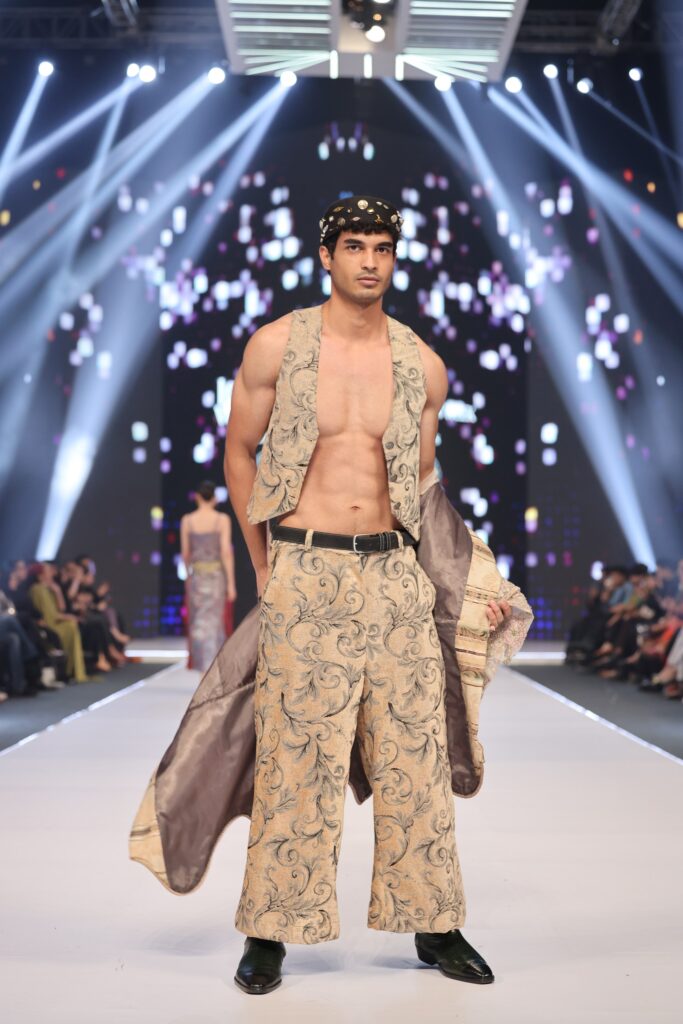
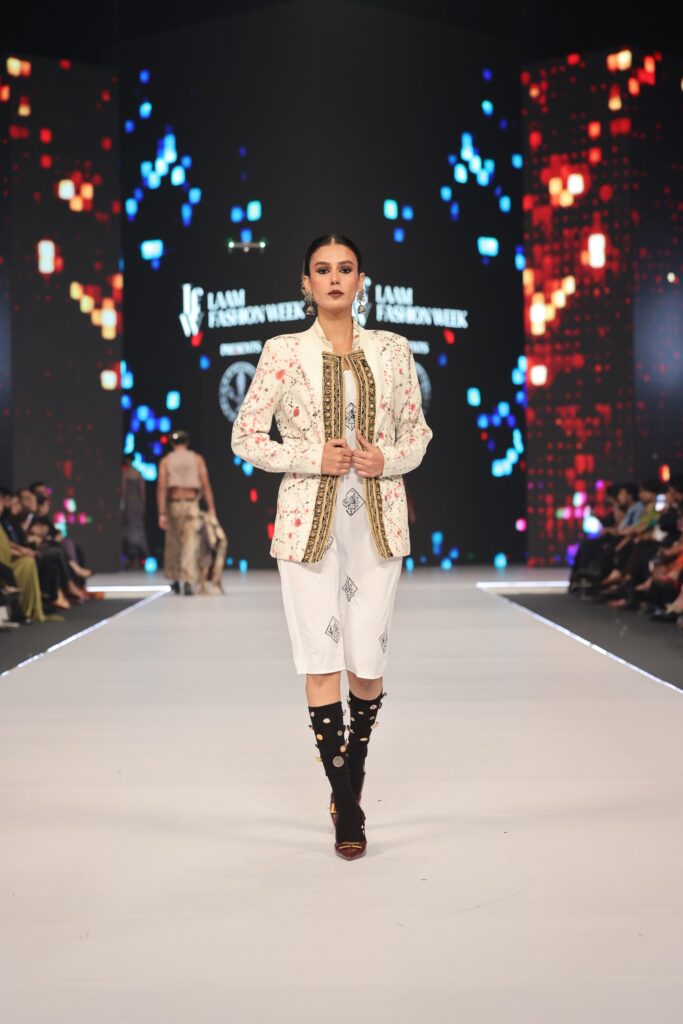
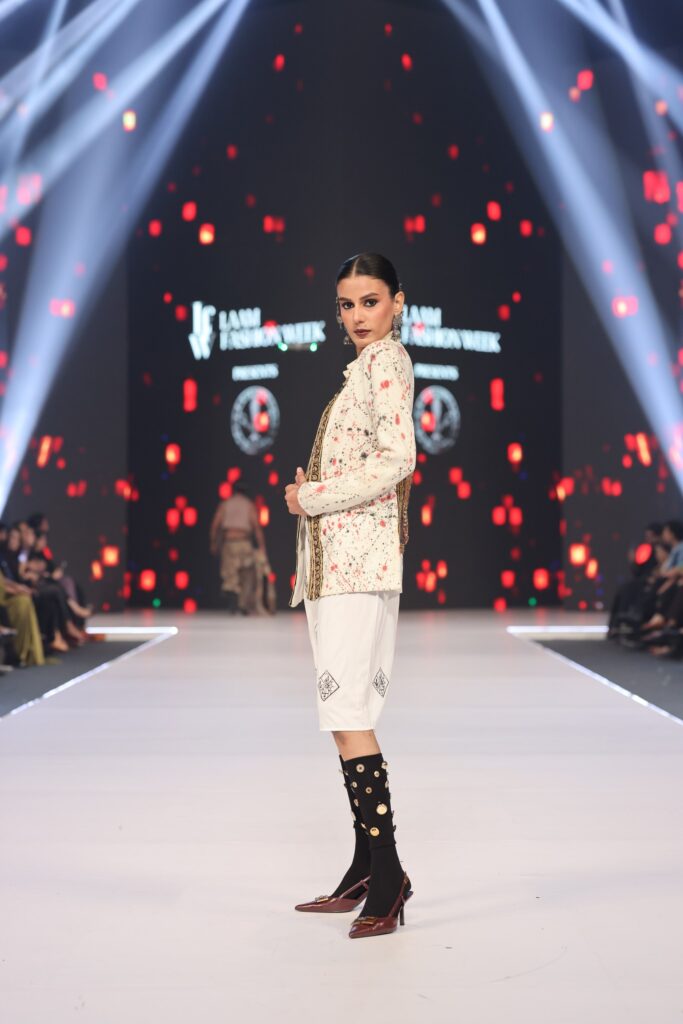
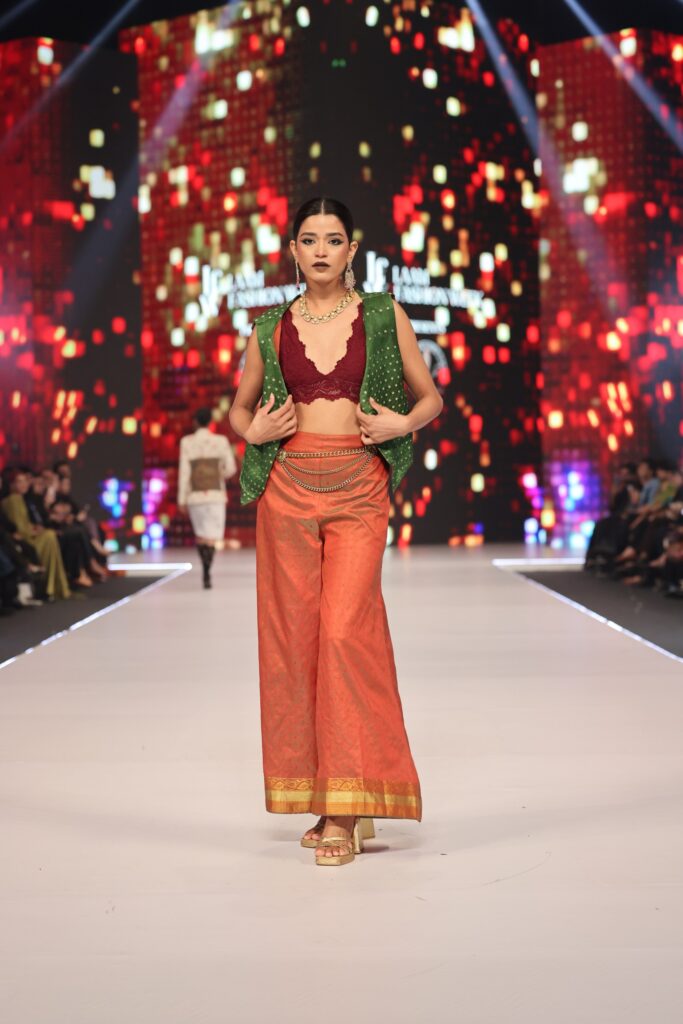
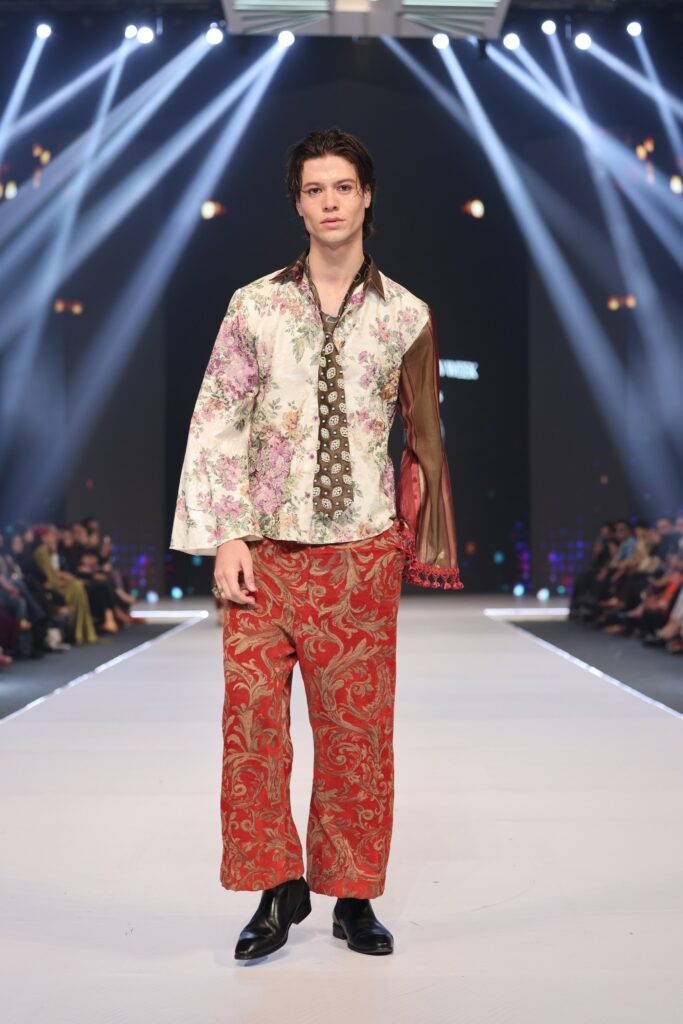
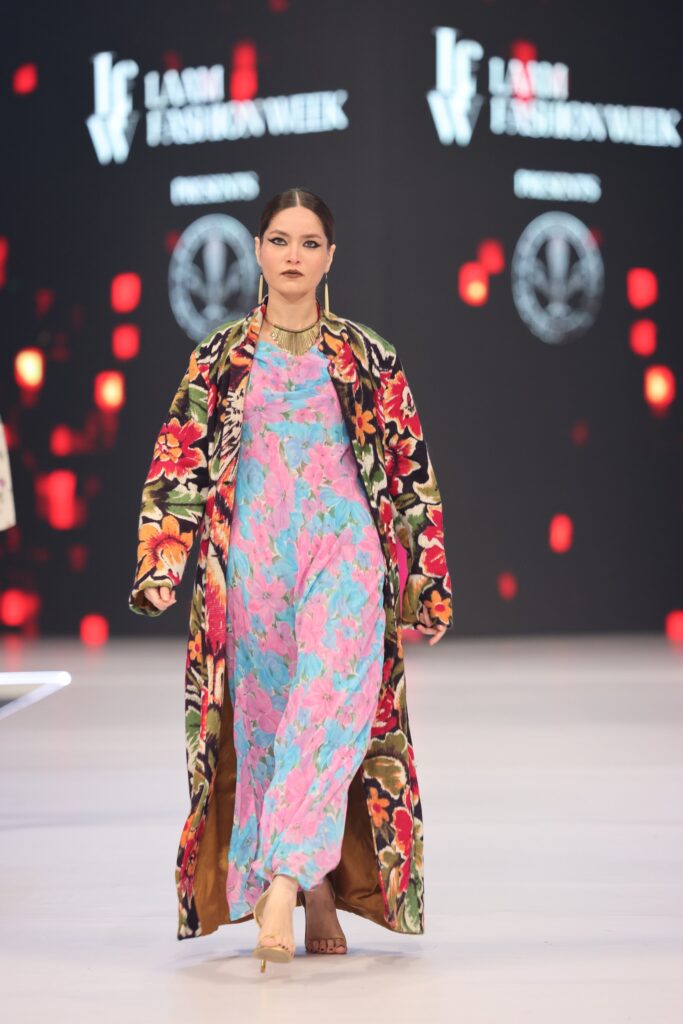
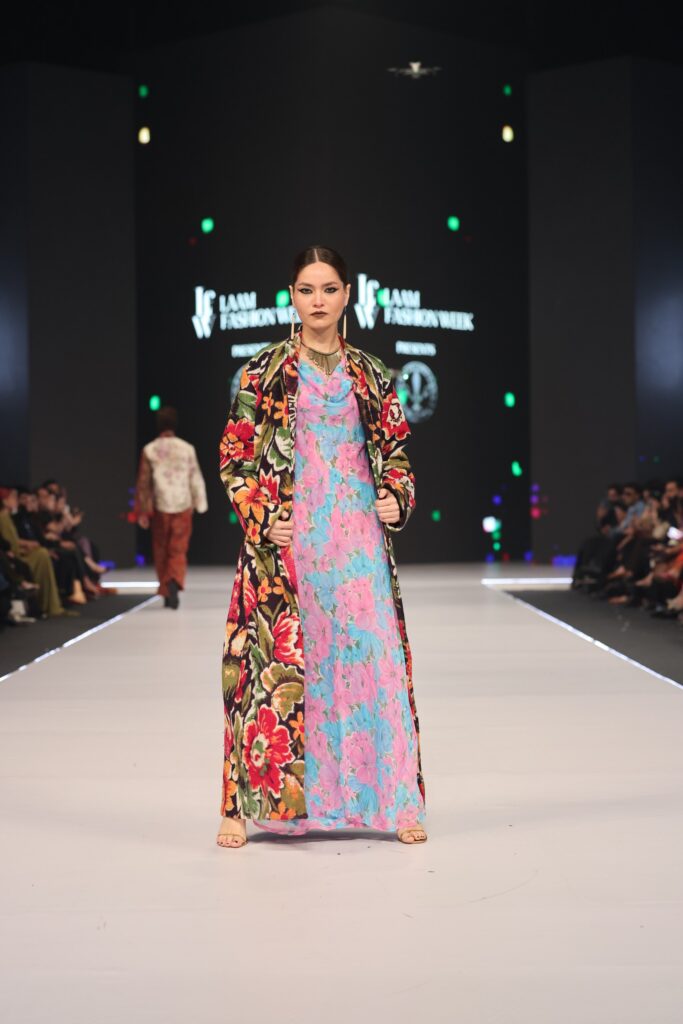
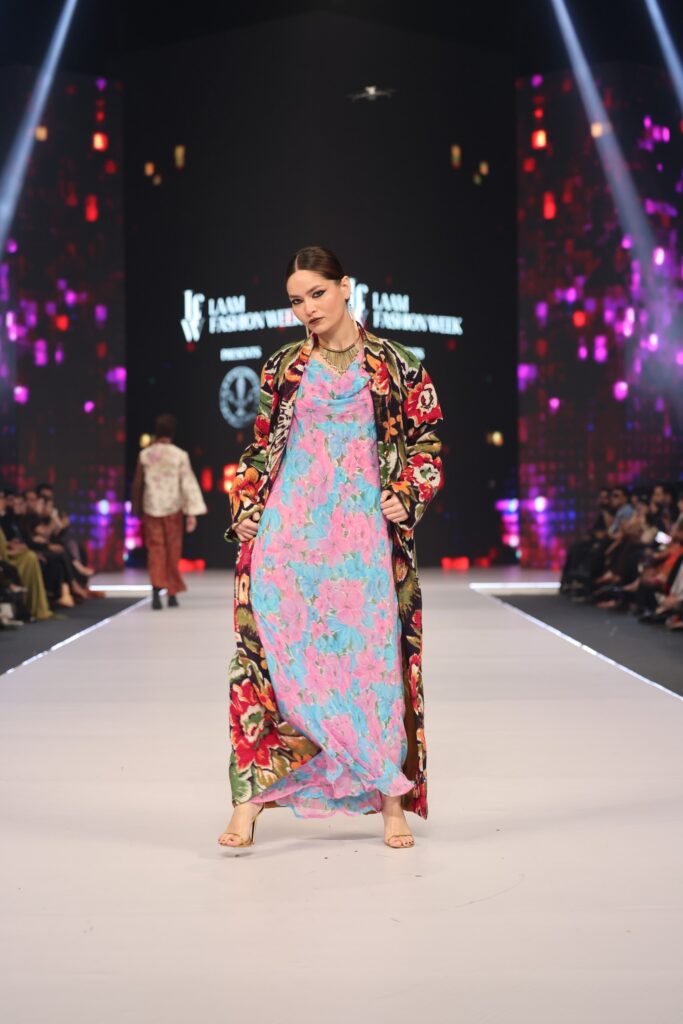
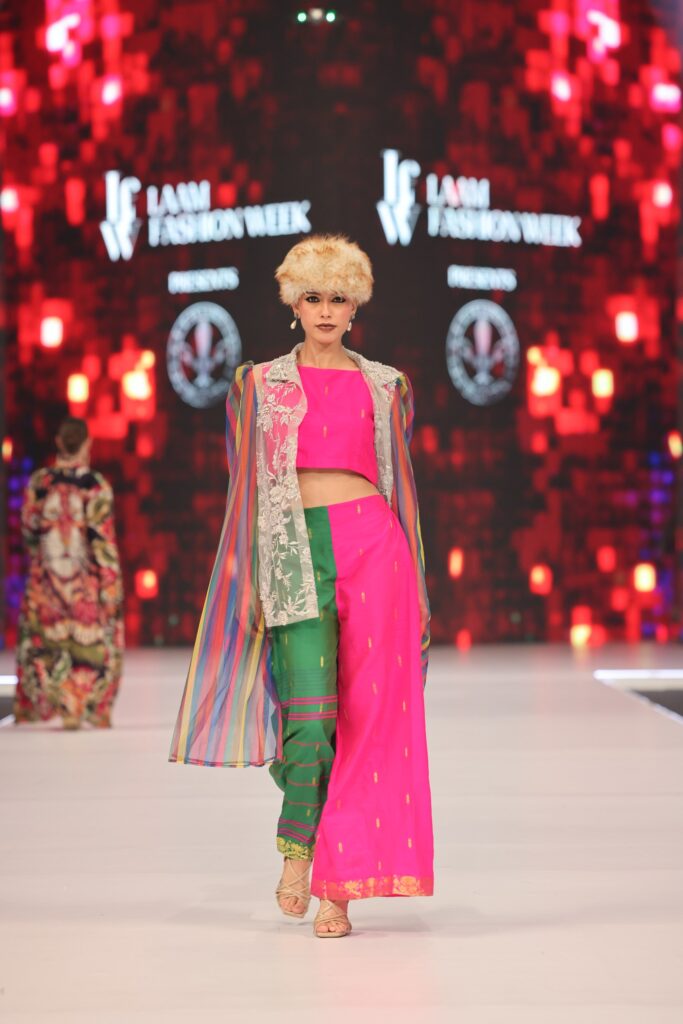
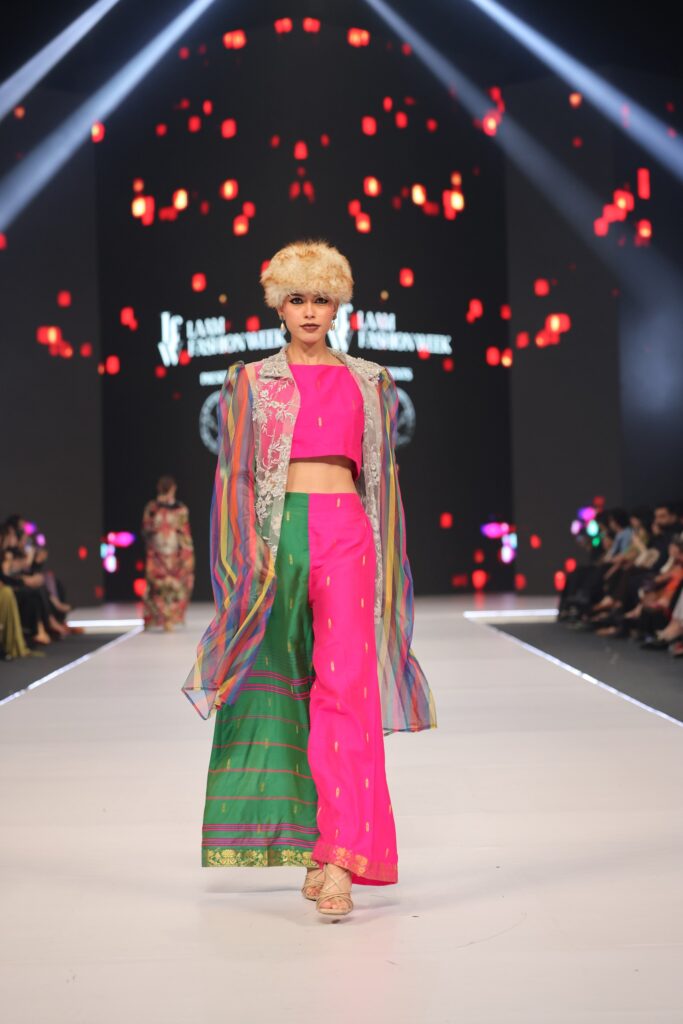
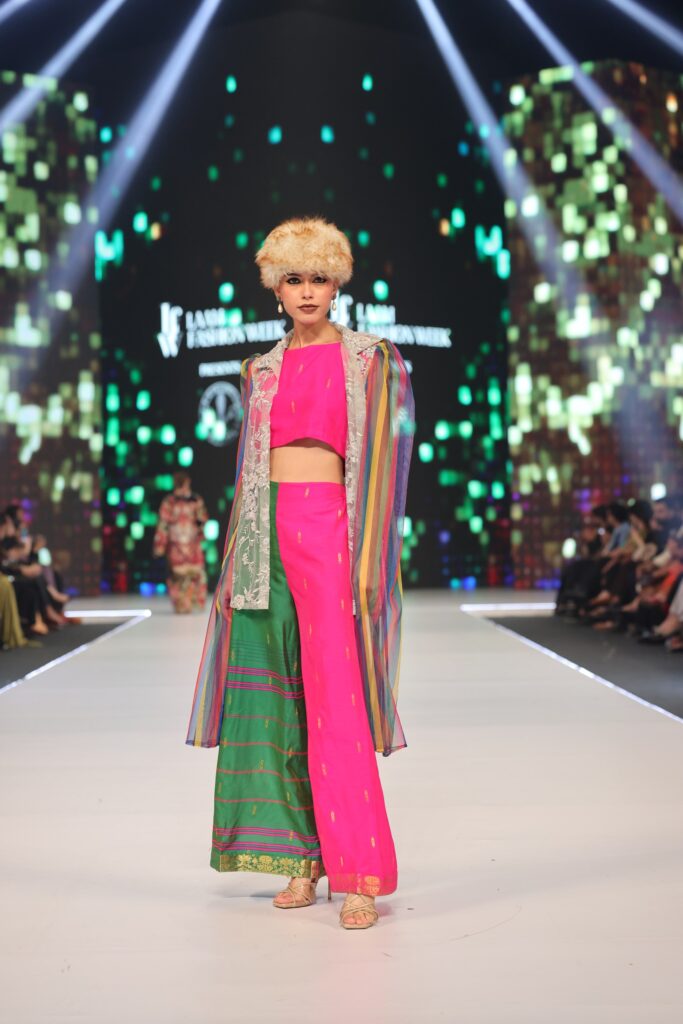
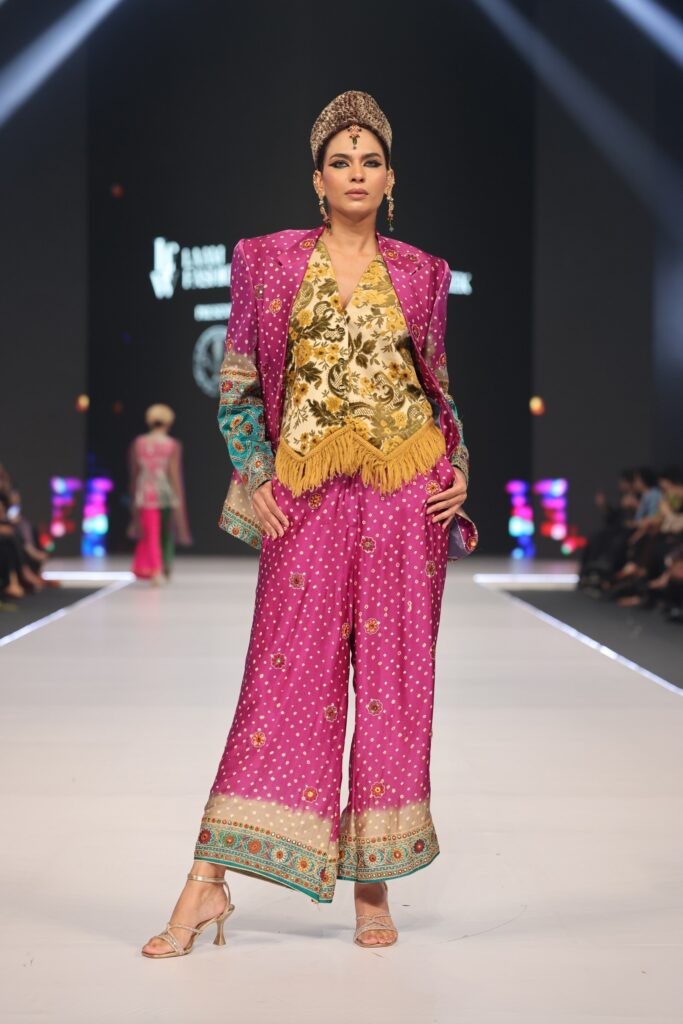
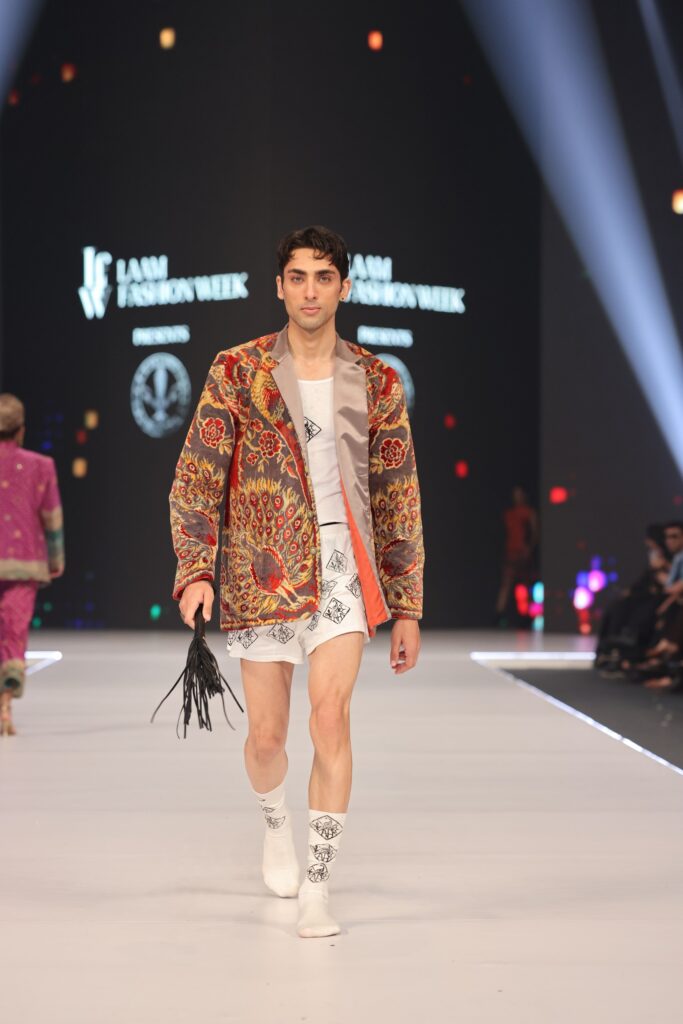
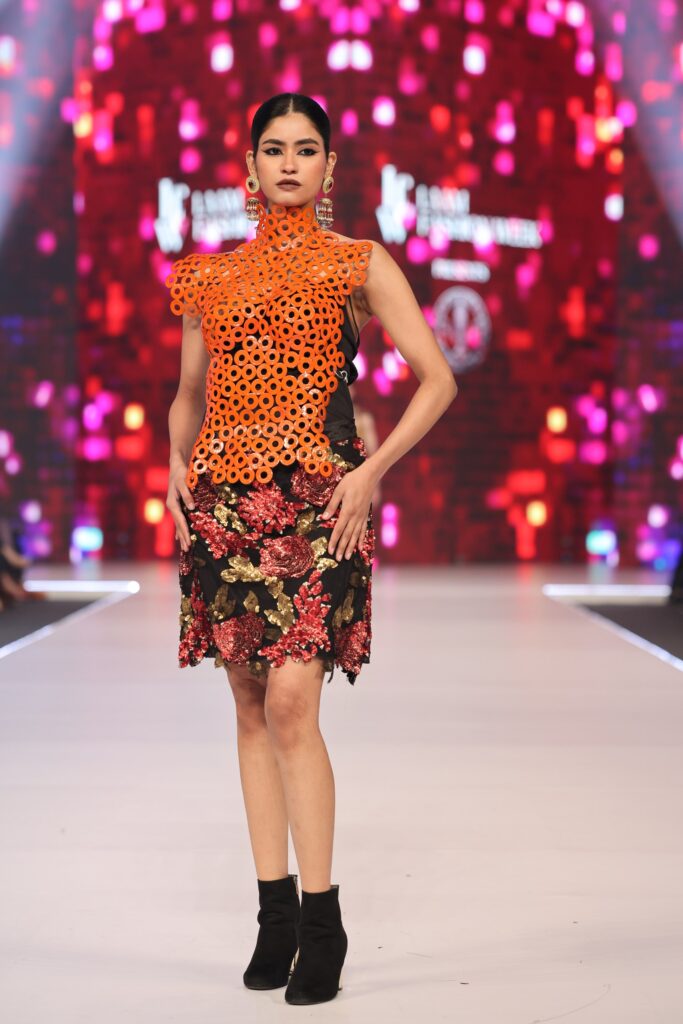
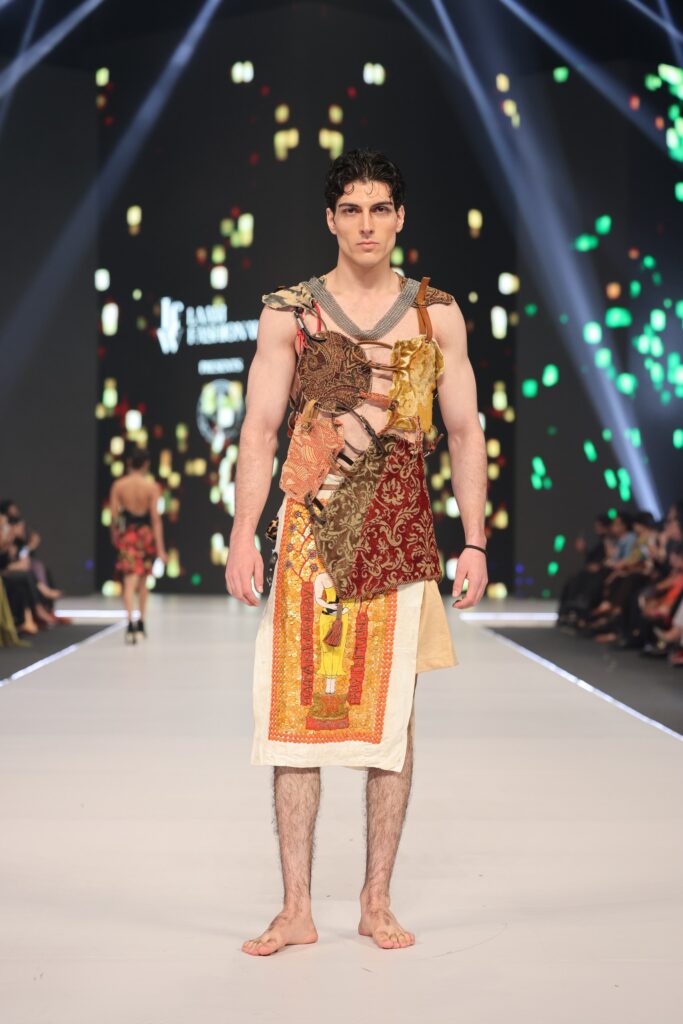
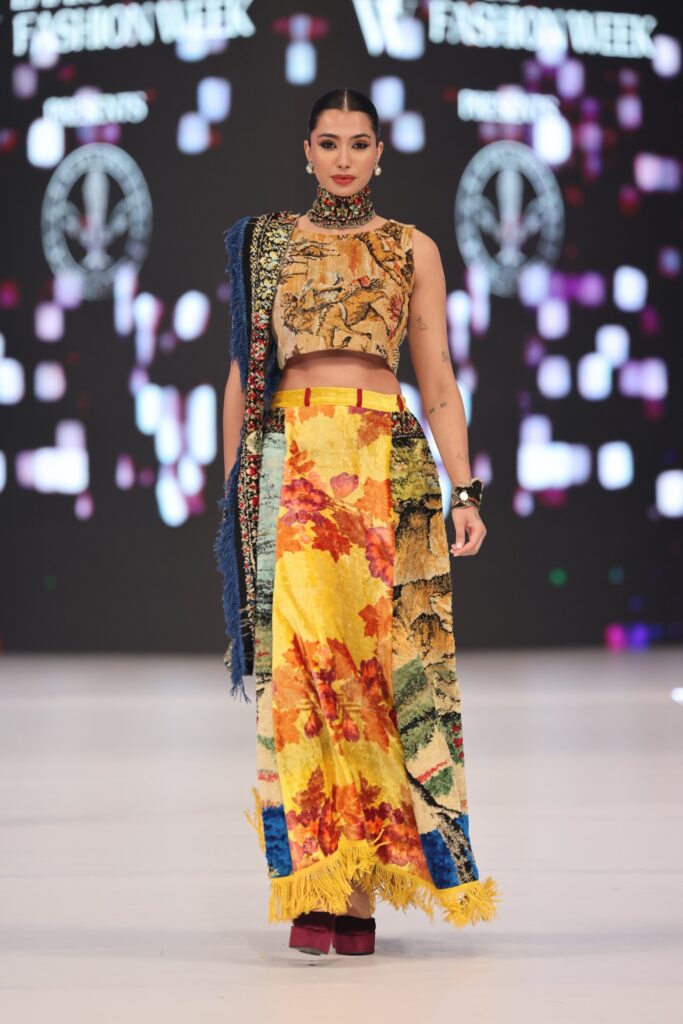
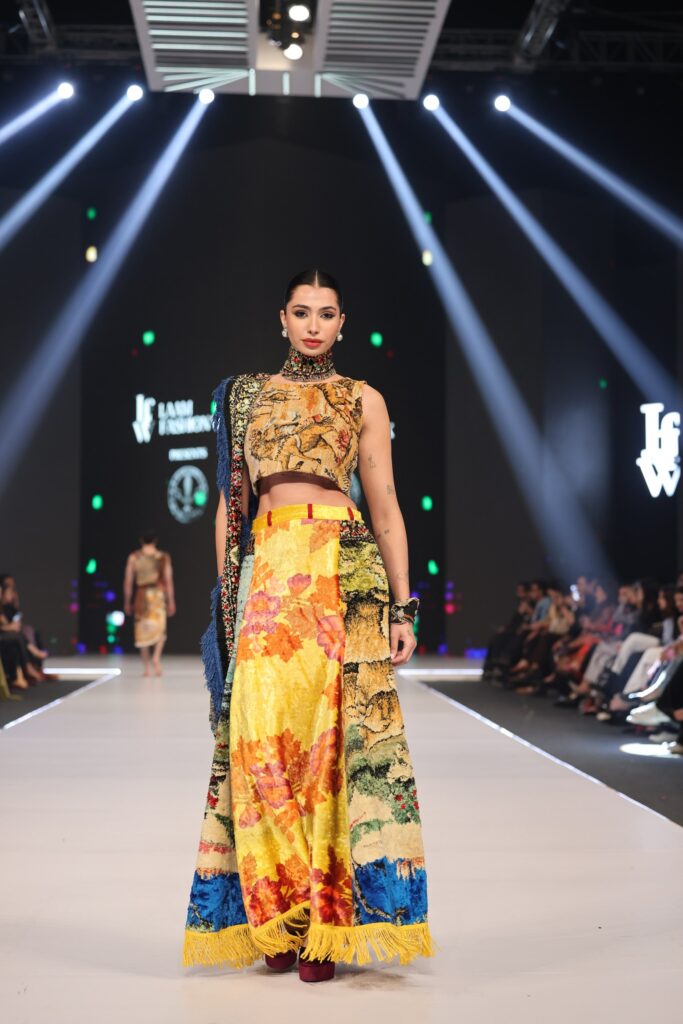
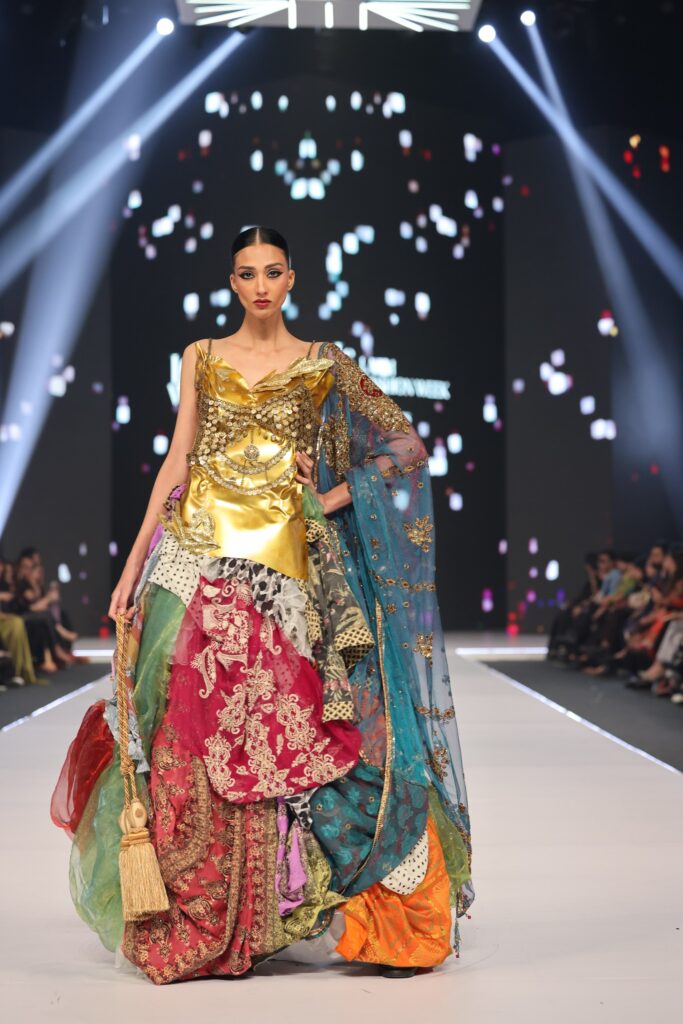
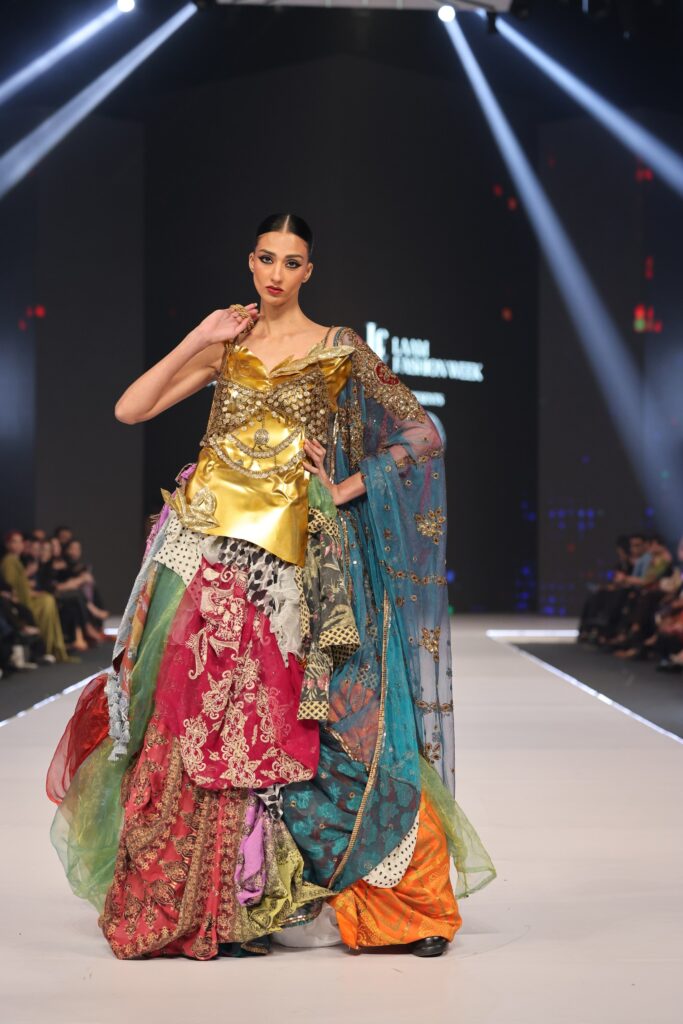
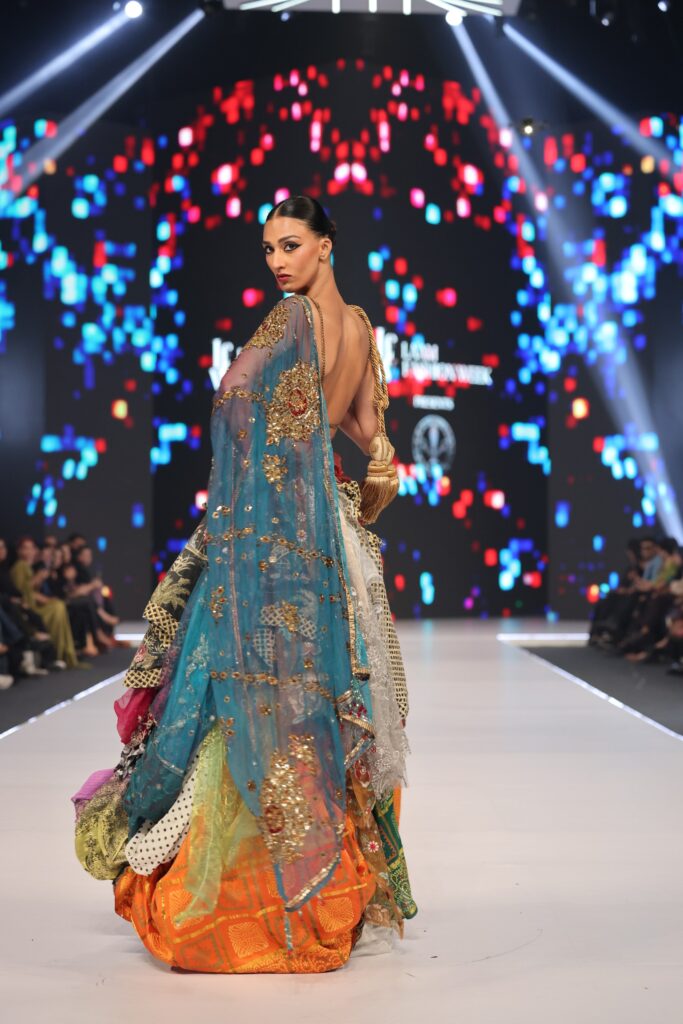
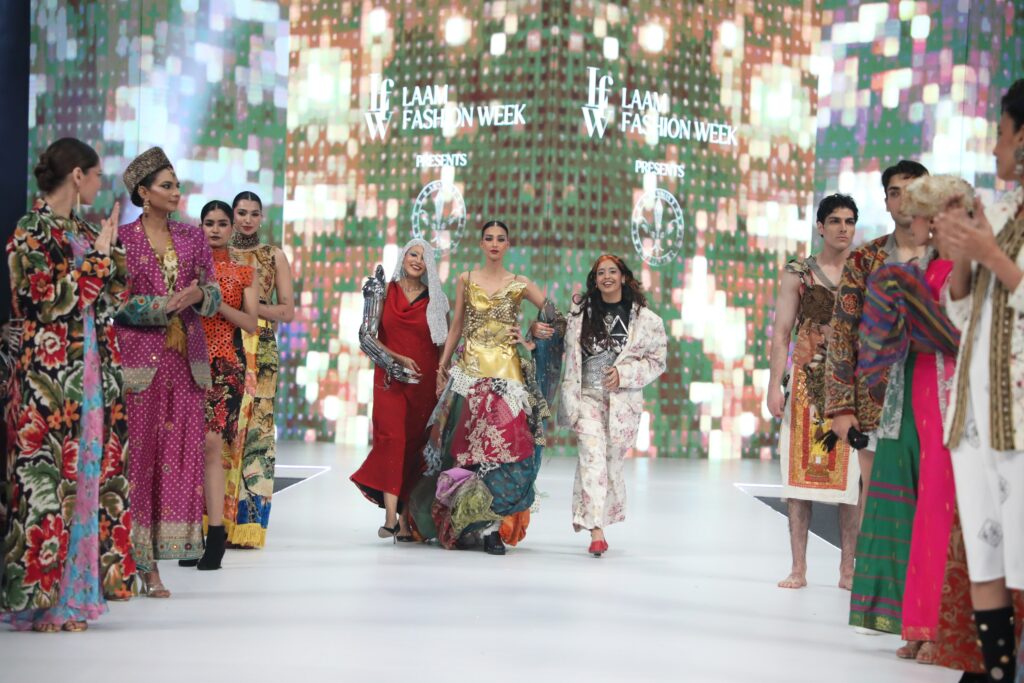
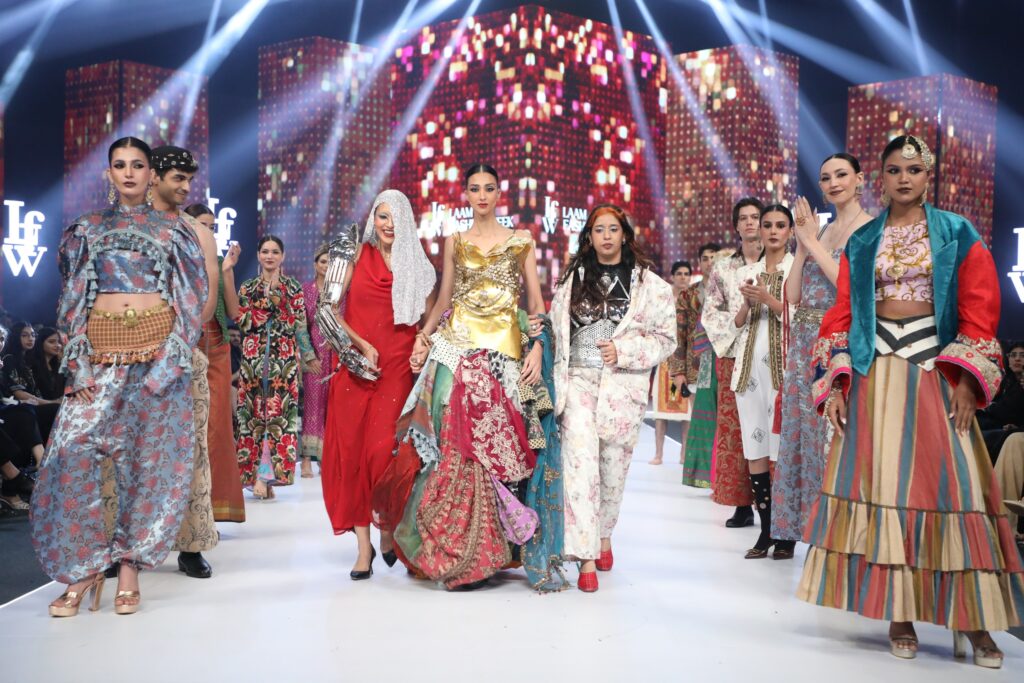
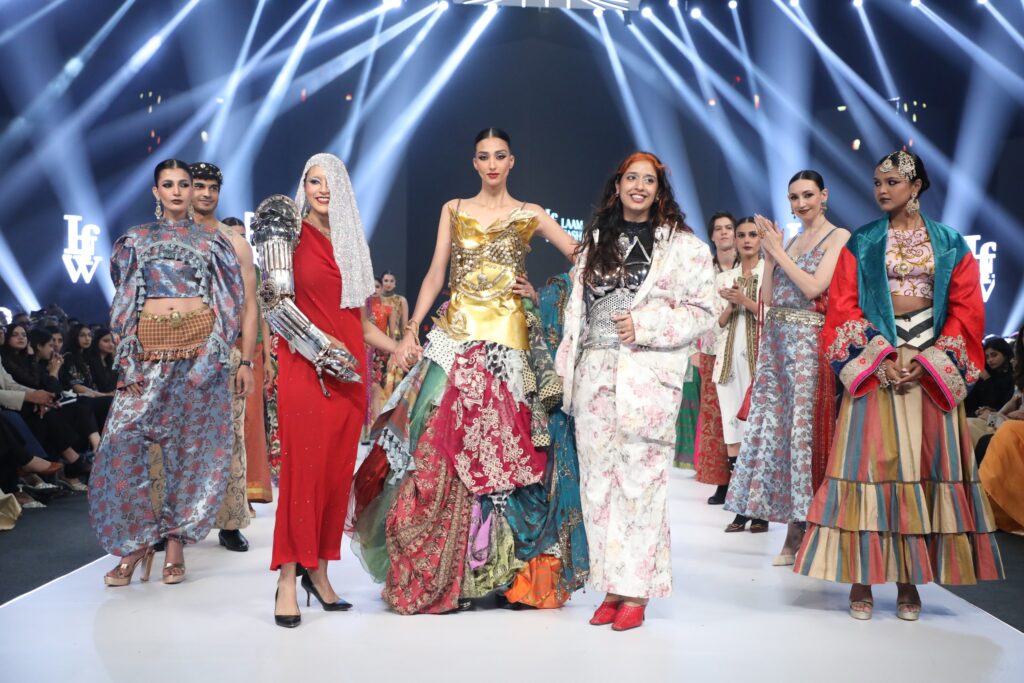
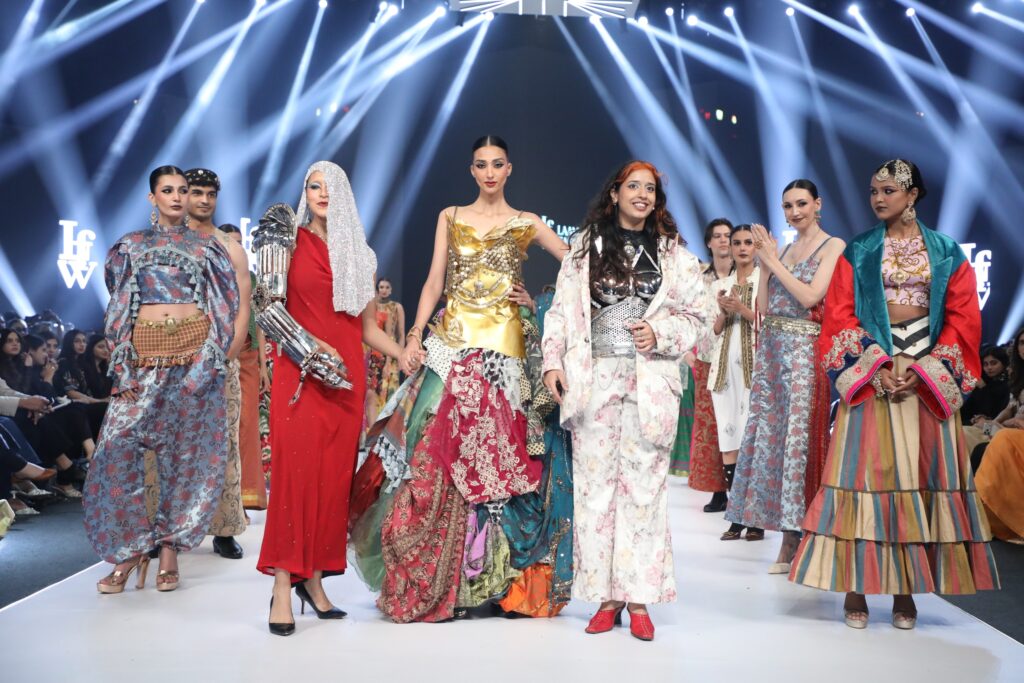
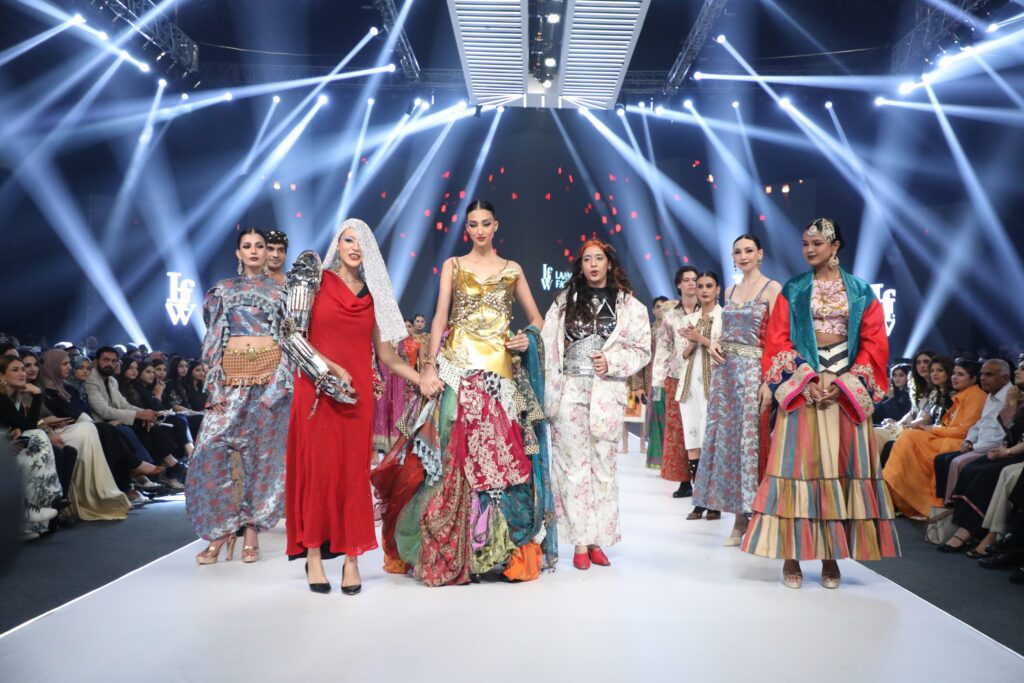
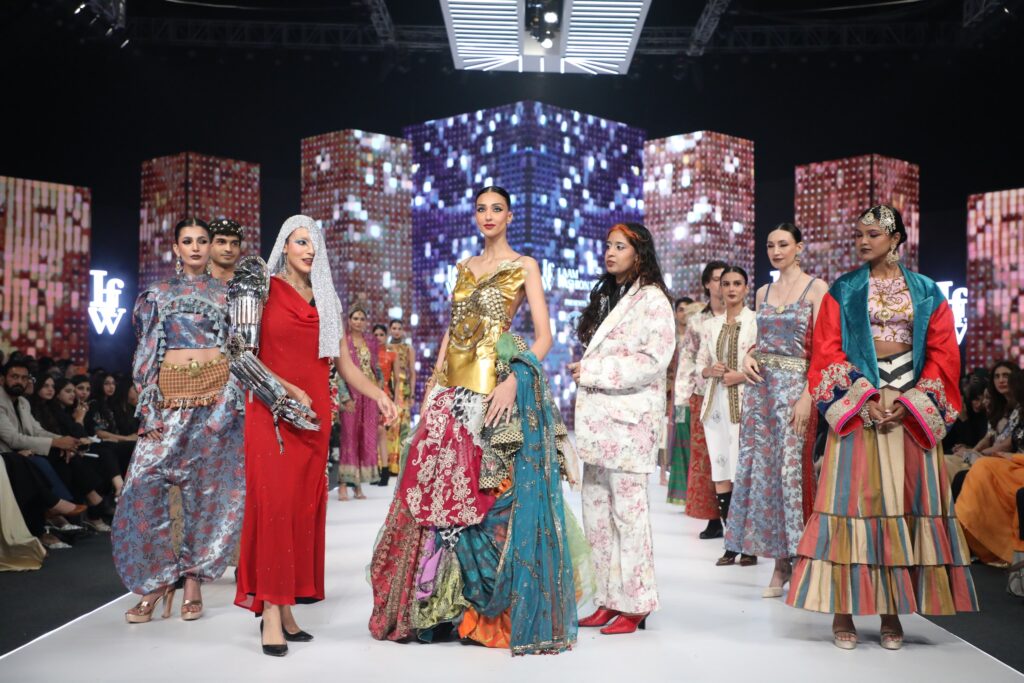
Matching was never the objective. In Aramis Haijaan’s closing collection for the LFW Edit at LAAM Fashion Week, prints competed for attention, colours resisted easy harmony and patchwork made the joining of disparate elements part of the appeal.
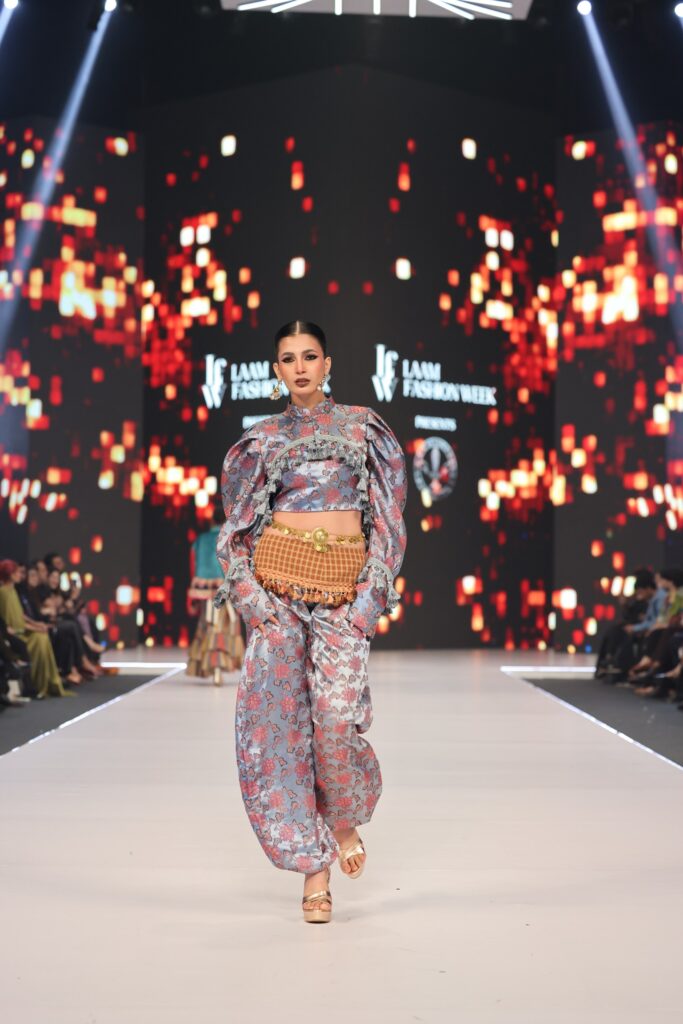
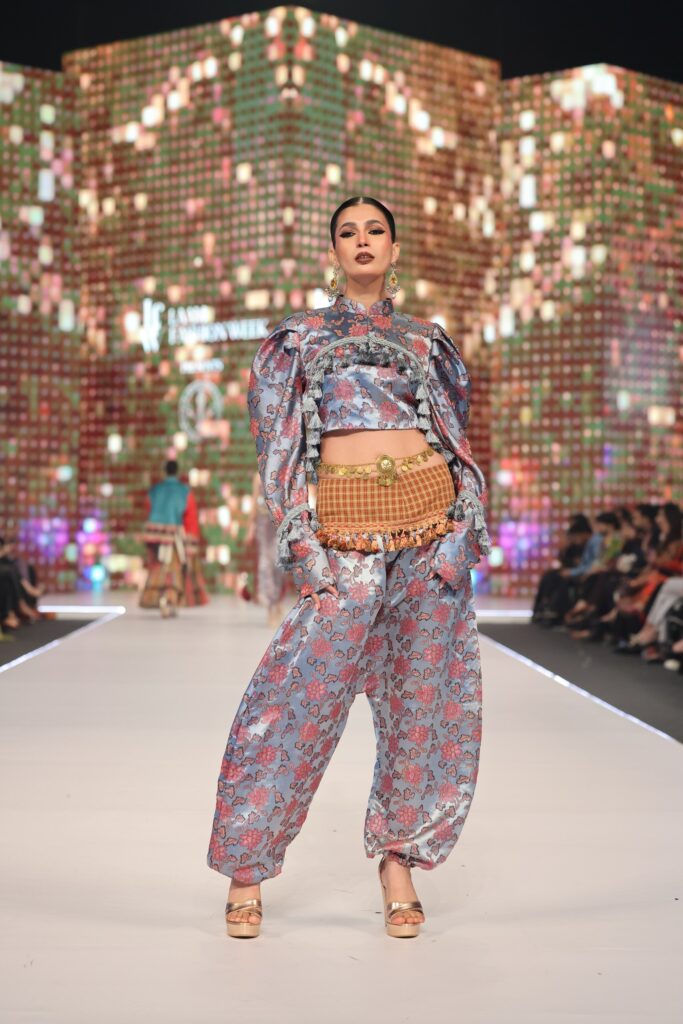
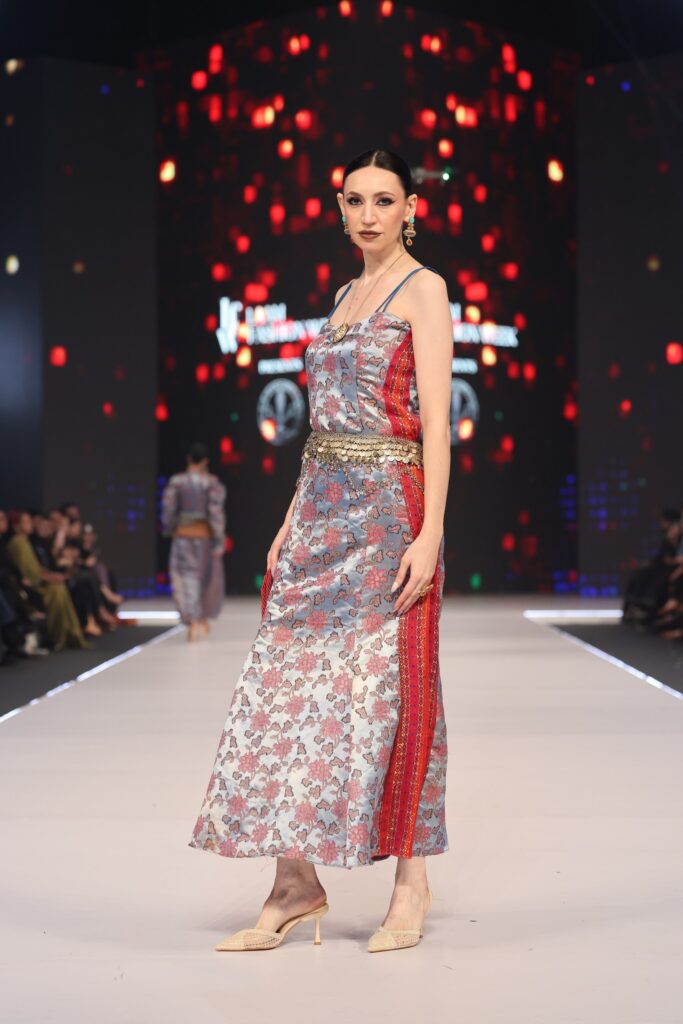
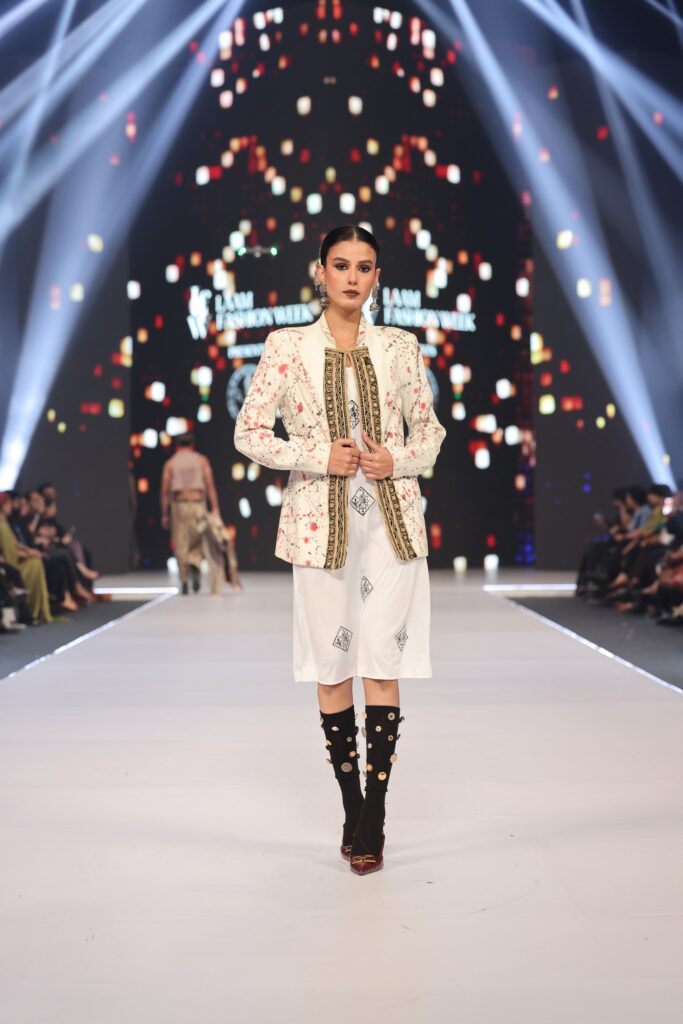
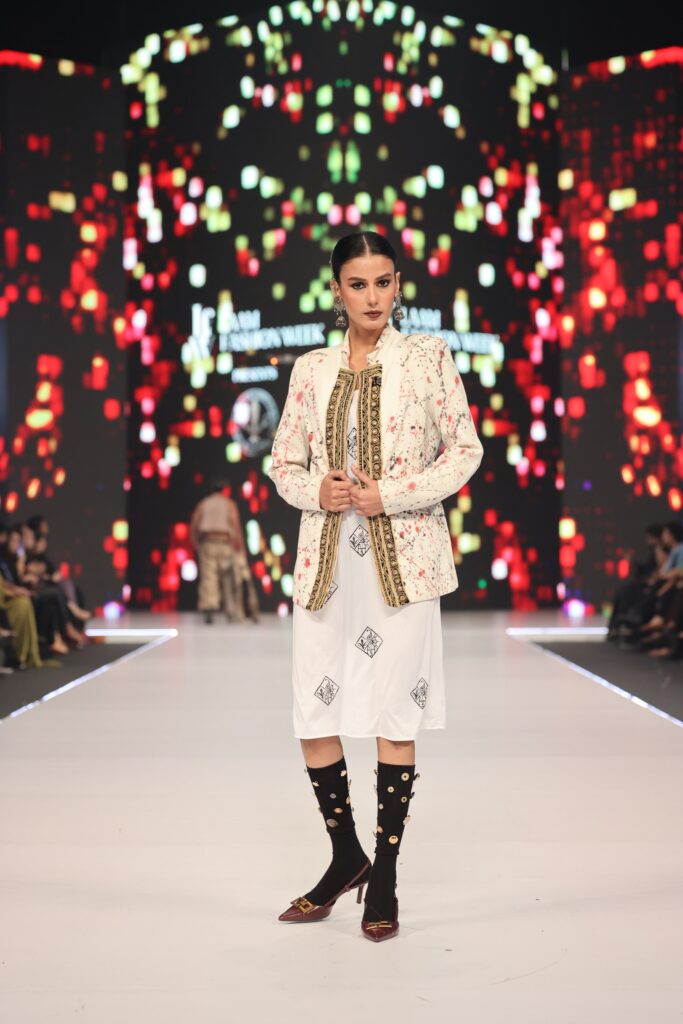
Vintage-inspired motifs and reworked textiles provided the collection’s visual vocabulary, but nostalgia was not treated as a fixed aesthetic. Familiar-looking prints appeared in unexpected combinations, their differences emphasised rather than disguised. The result suggested a wardrobe shaped by accumulated tastes rather than a single prescribed style.
Silhouette gave this abundance its structure. Sculpted tailoring introduced definition, while freer shapes allowed the competing patterns and colours to feel more spontaneous. That movement between precision and looseness was essential to the collection’s character. Tailored forms offered a framework for visual complexity without requiring the individual elements to agree.
What distinguished Haijaan’s approach was the willingness to leave those differences unresolved. Patchwork retained its irregularity, prints maintained their individual character and clashing colours became an expression of preference rather than a styling problem to solve.
Closing the LFW Edit on this note, Haijaan offered an interpretation of maximalism that felt personal rather than prescriptive. Its appeal lay in the suggestion that a wardrobe could accommodate different memories, moods and aesthetic instincts without demanding consistency.