KIBO Gives the Nomadic Wardrobe a Sculptural Edge at LAAM Fashion Week

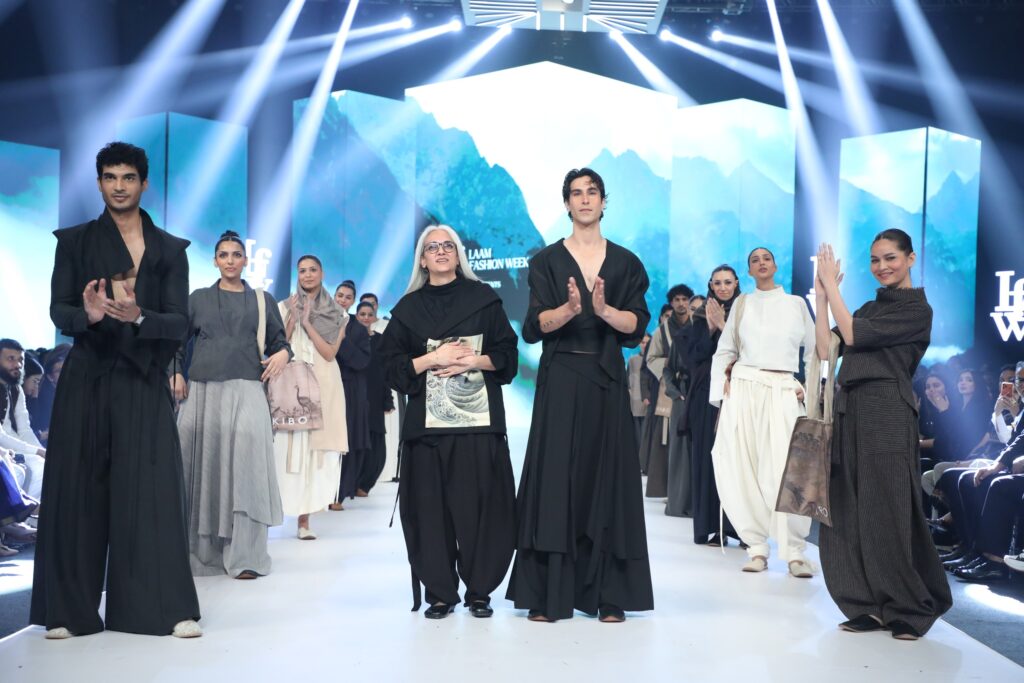
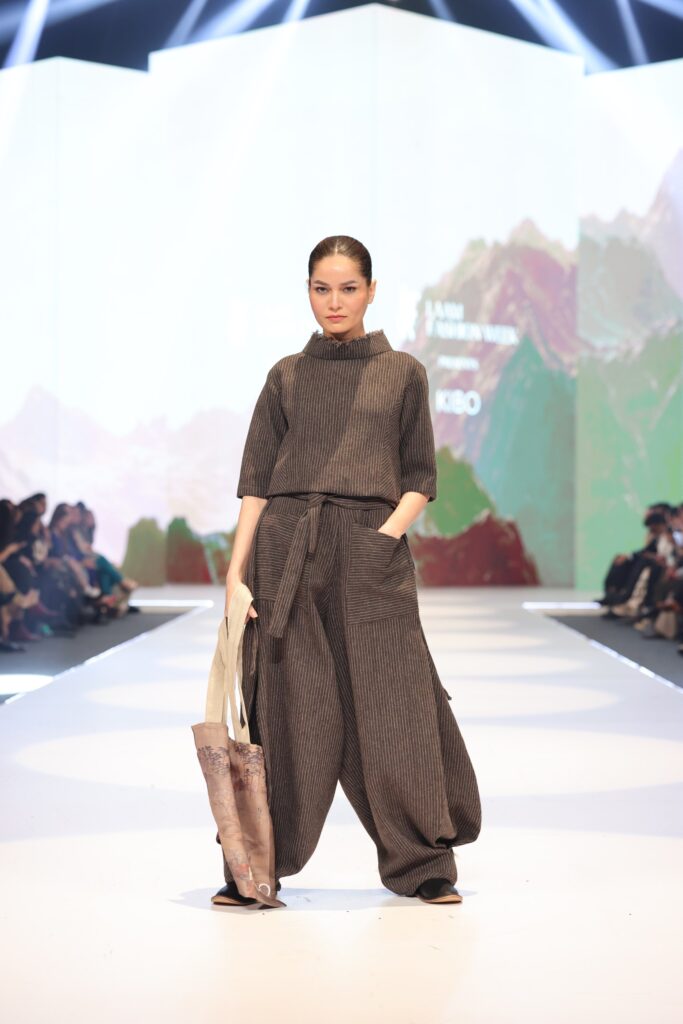
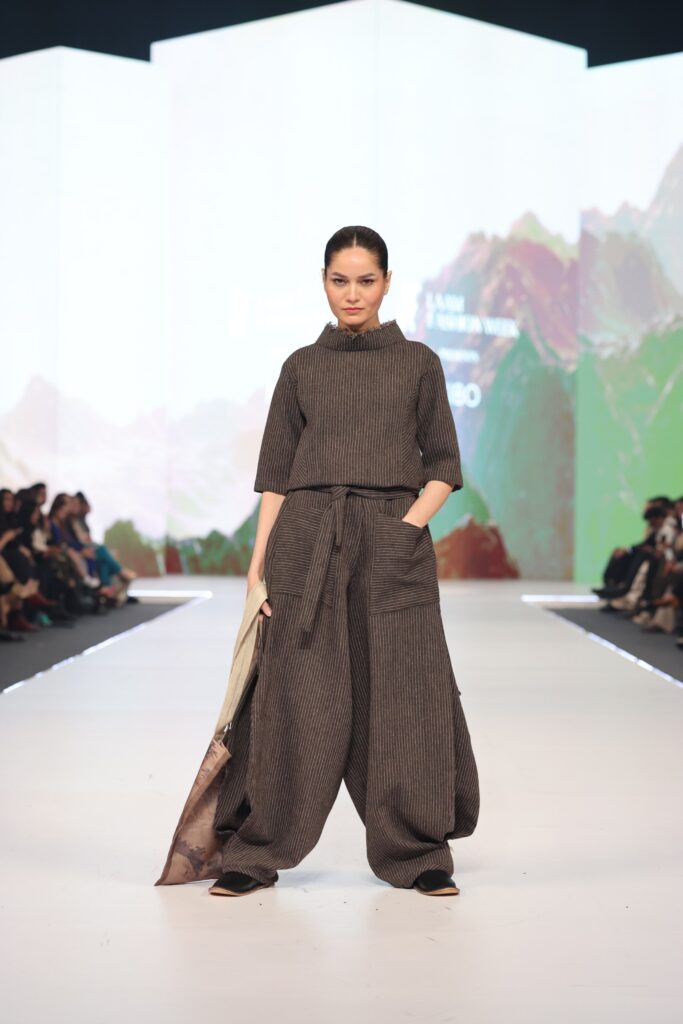
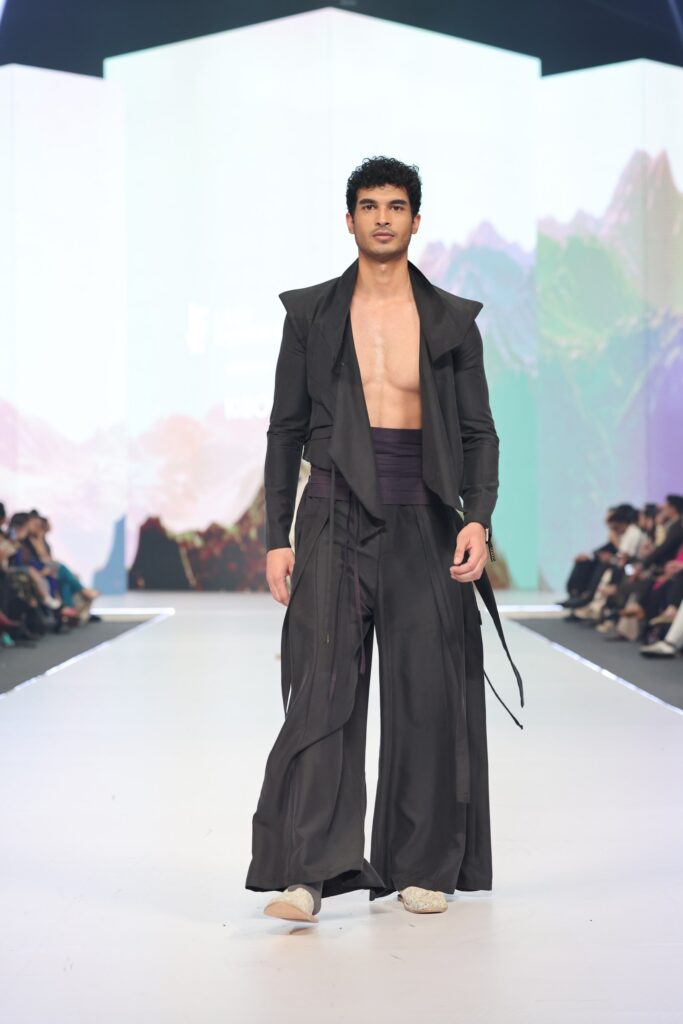
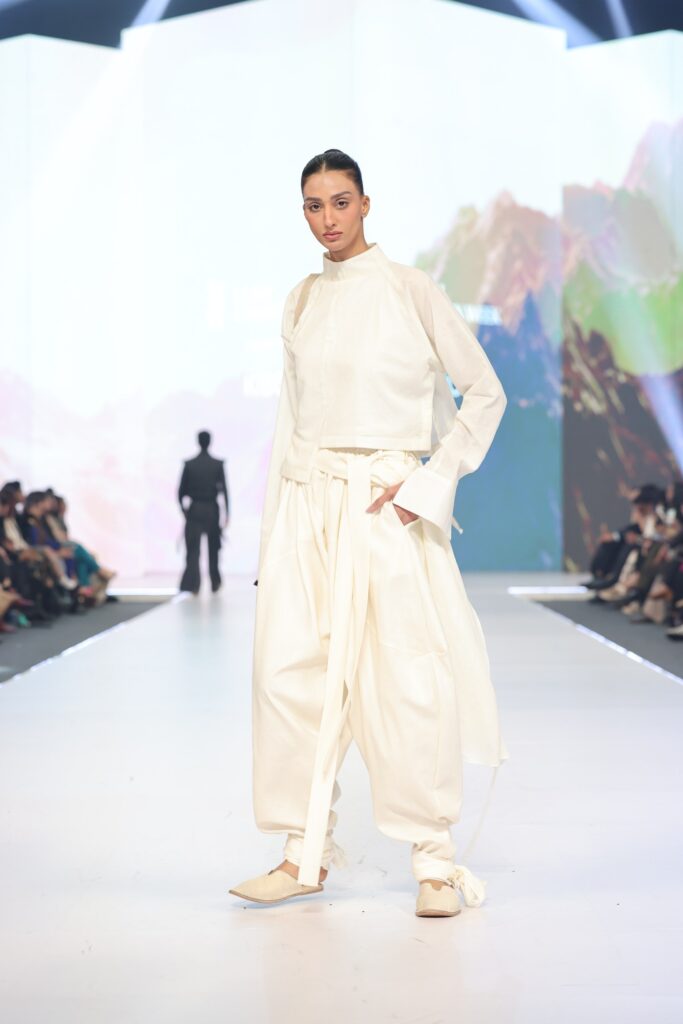
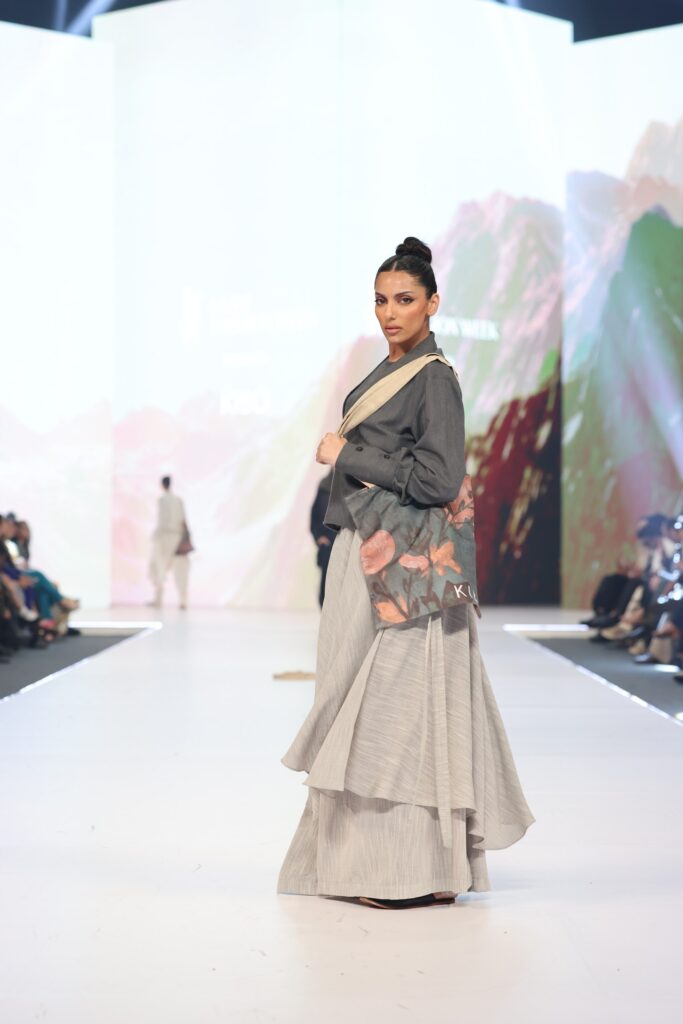
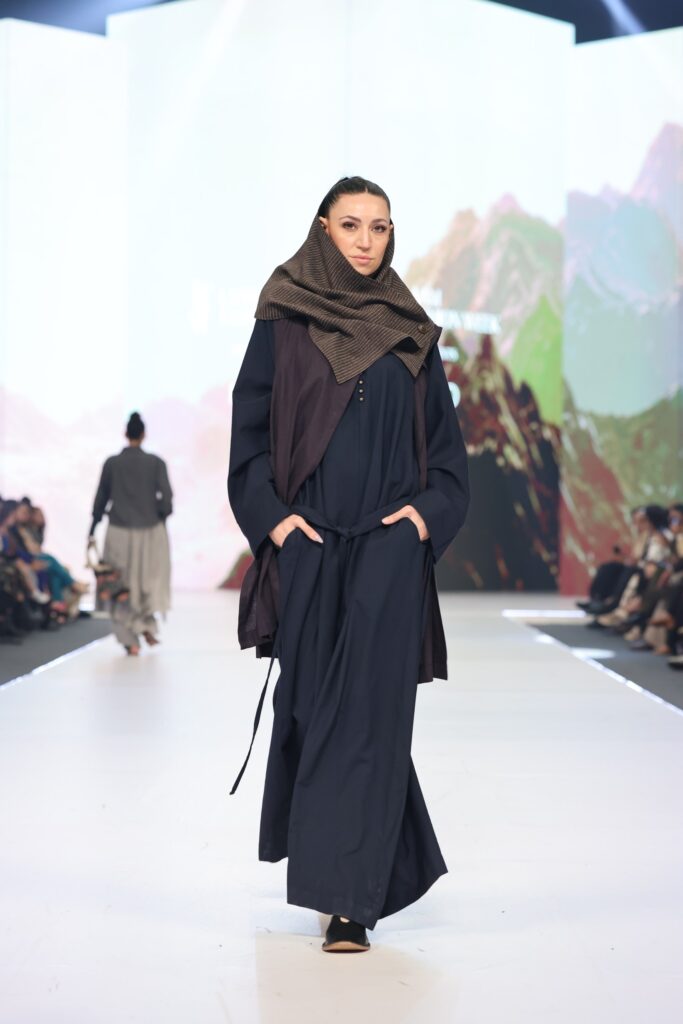
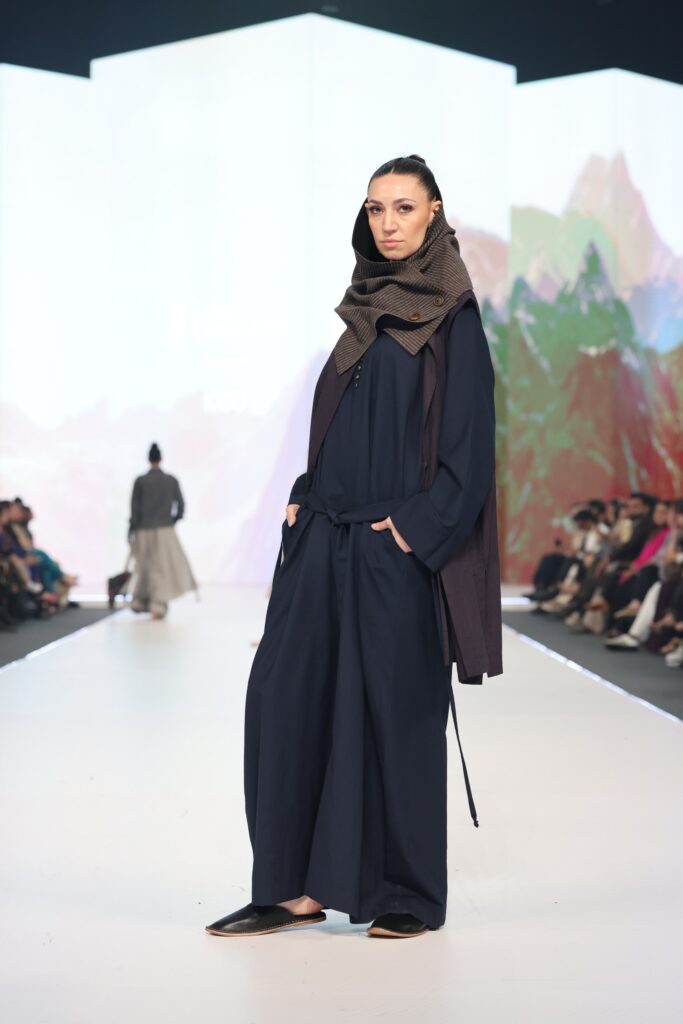
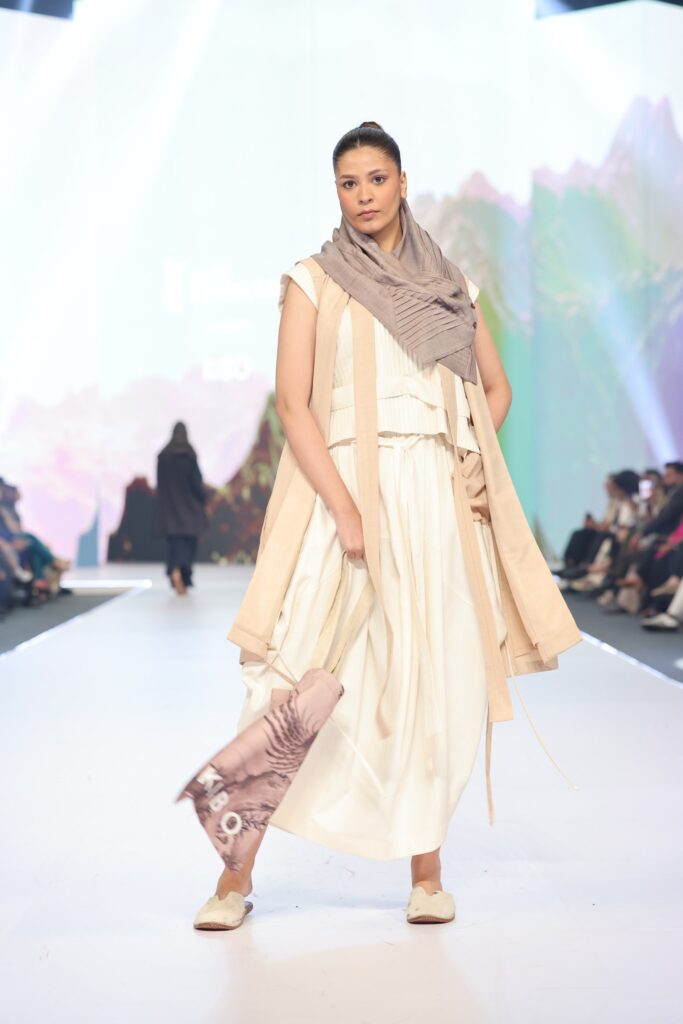
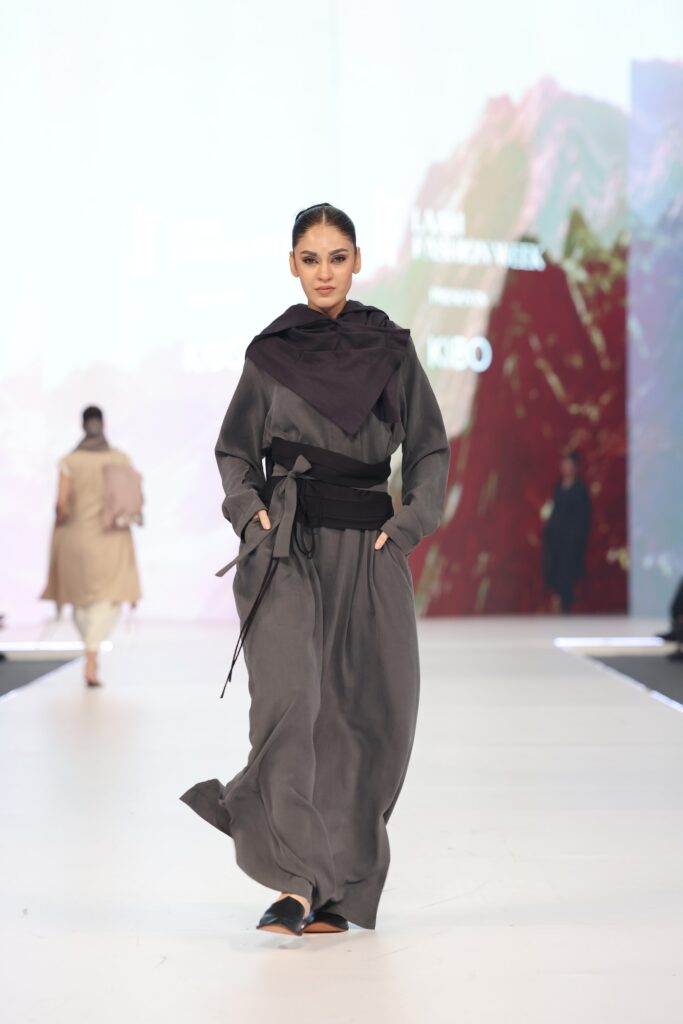
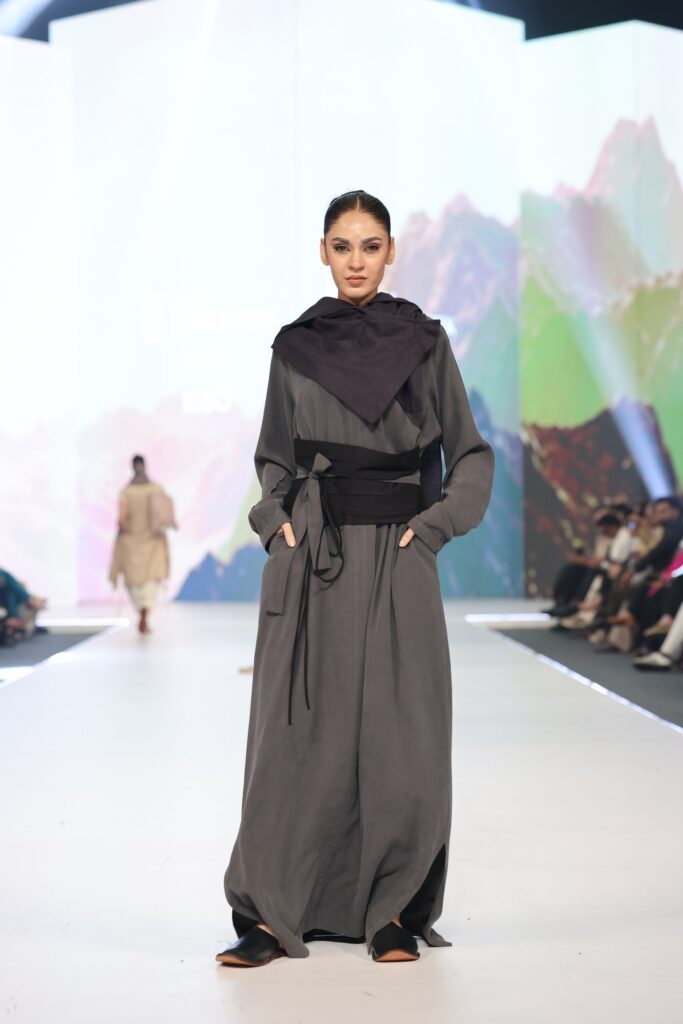
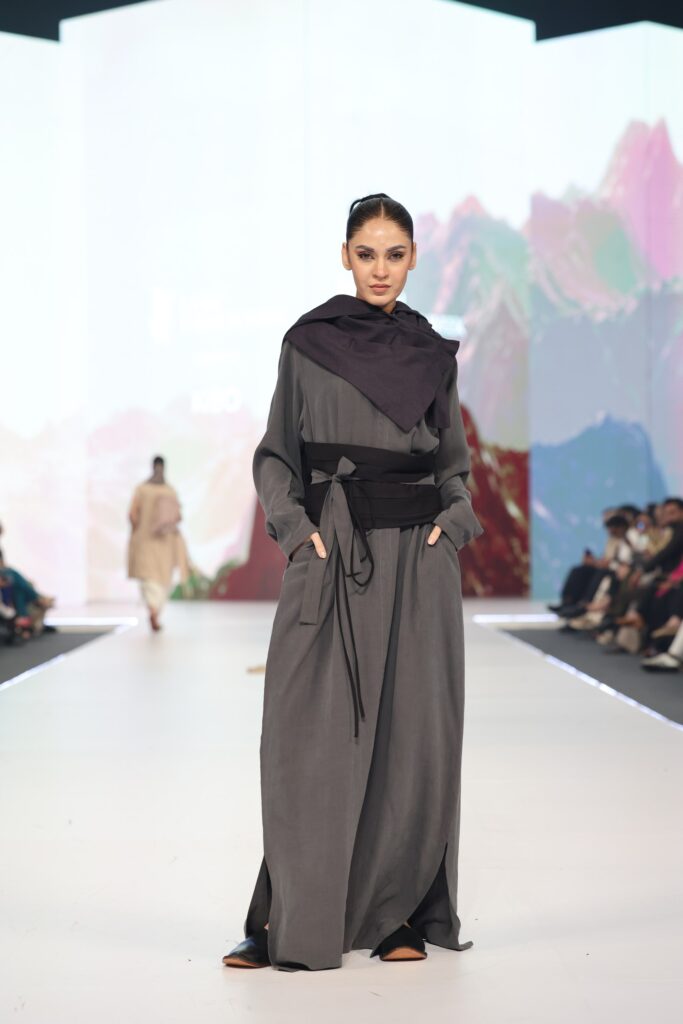
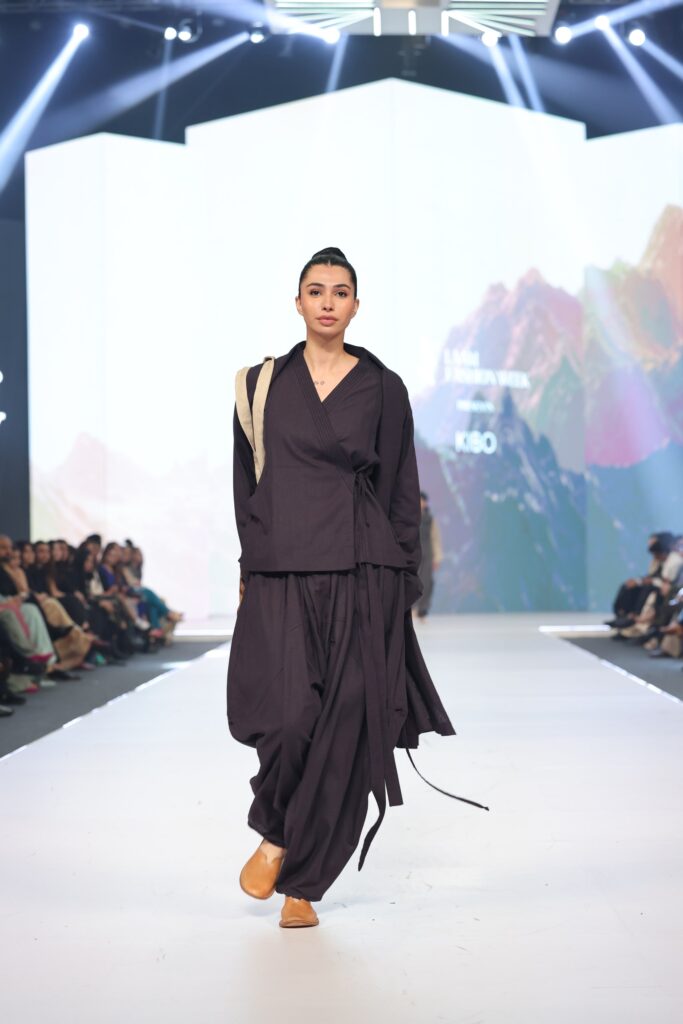
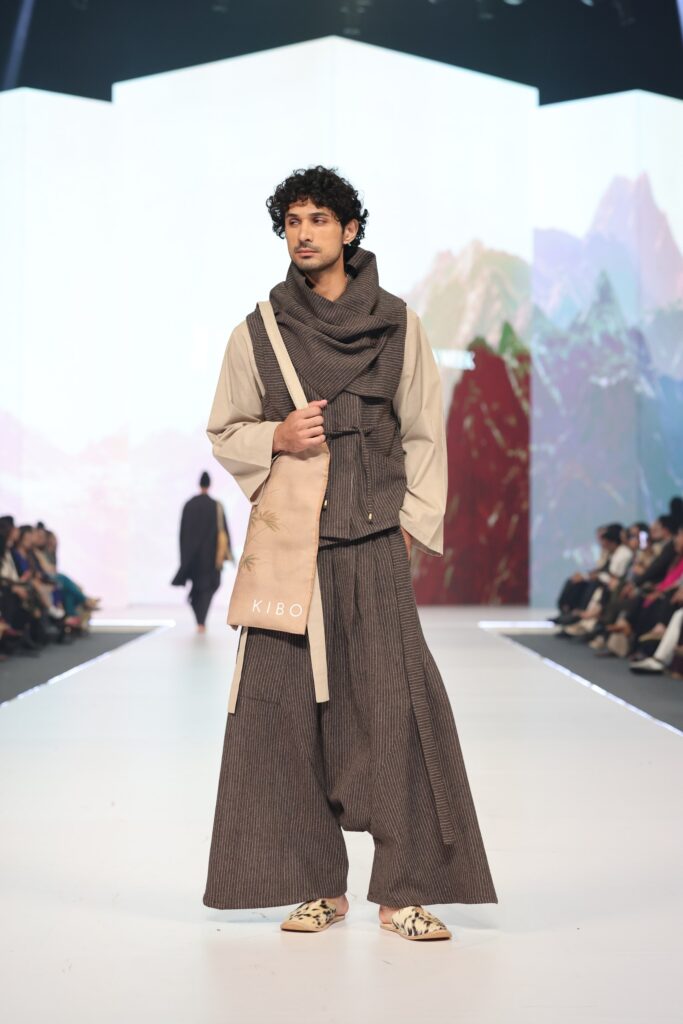
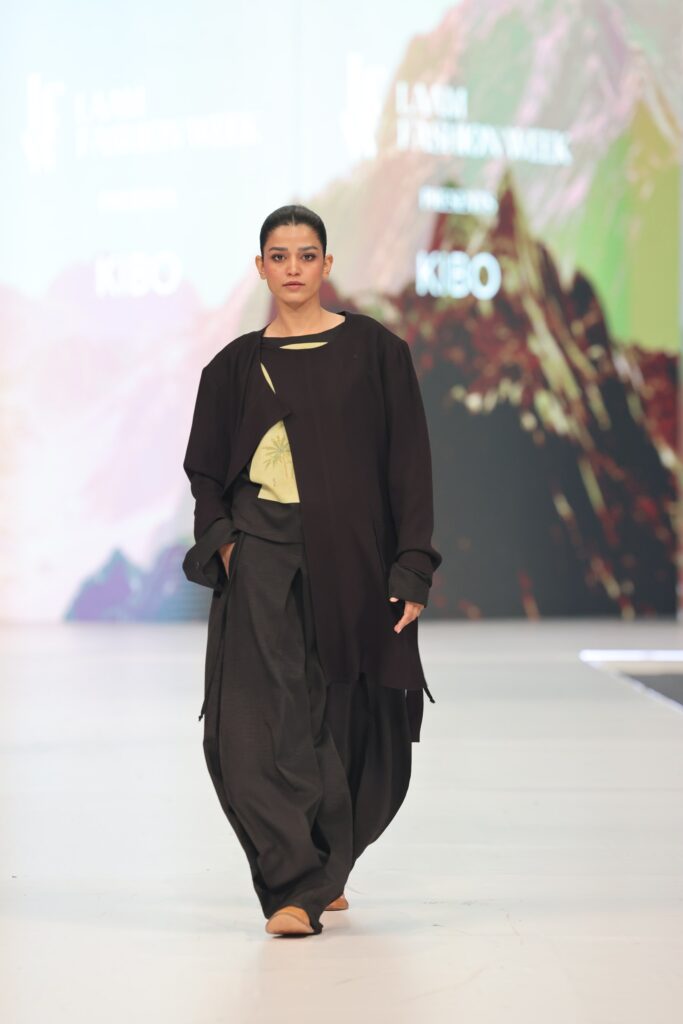
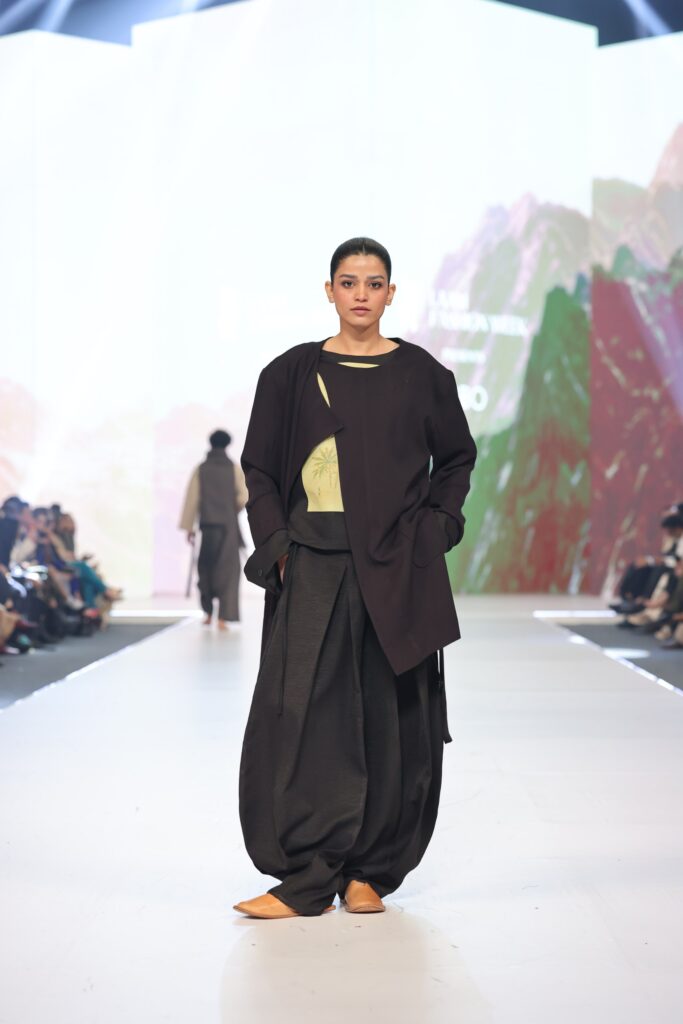
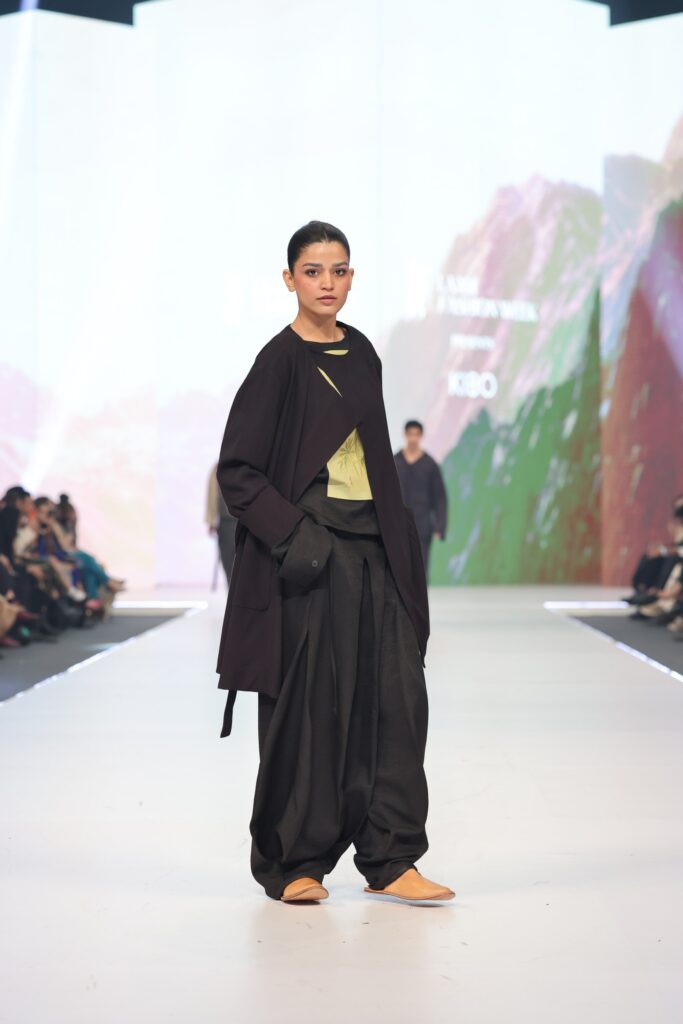
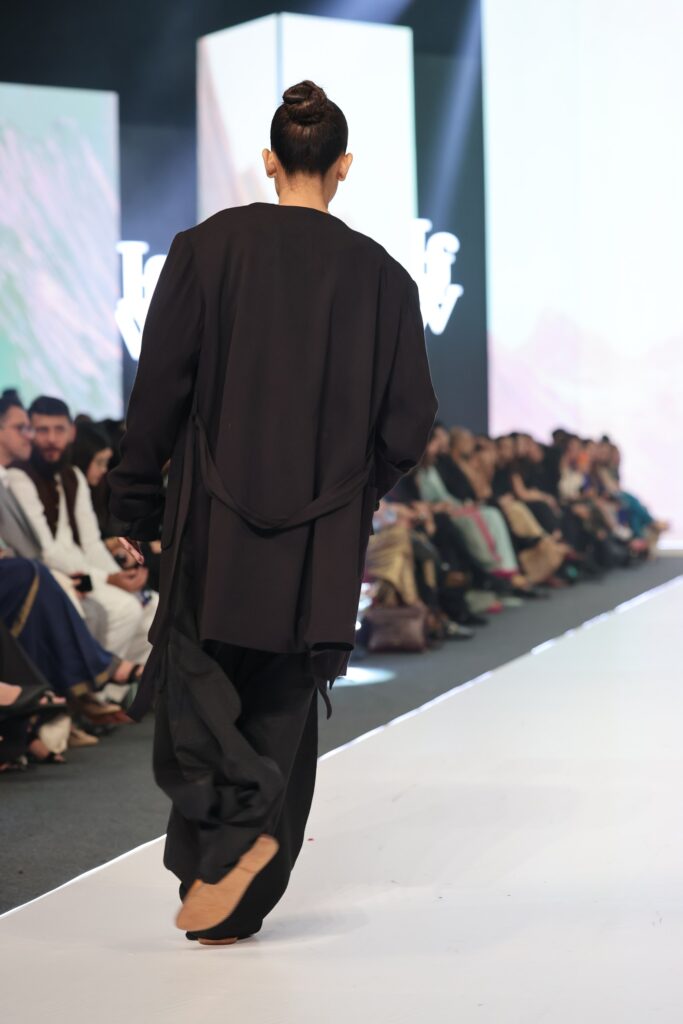
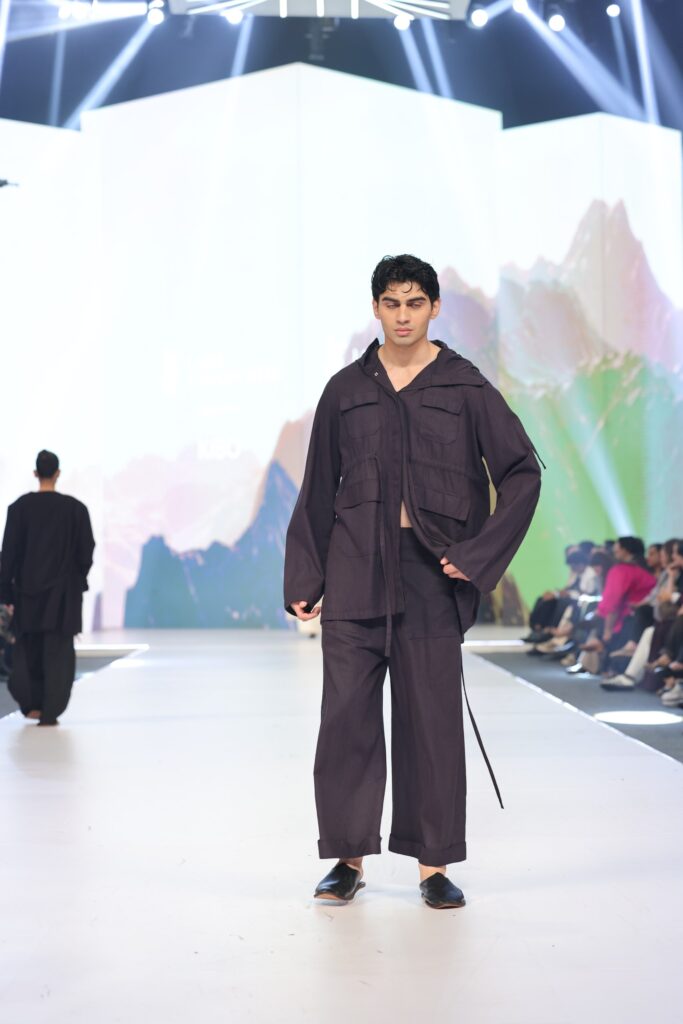
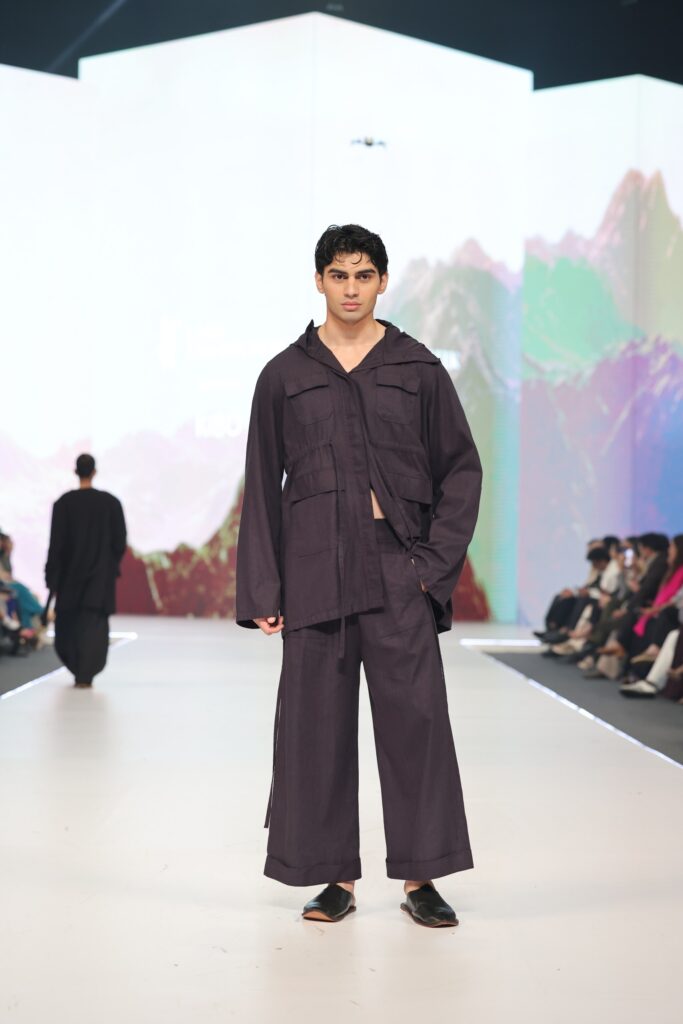
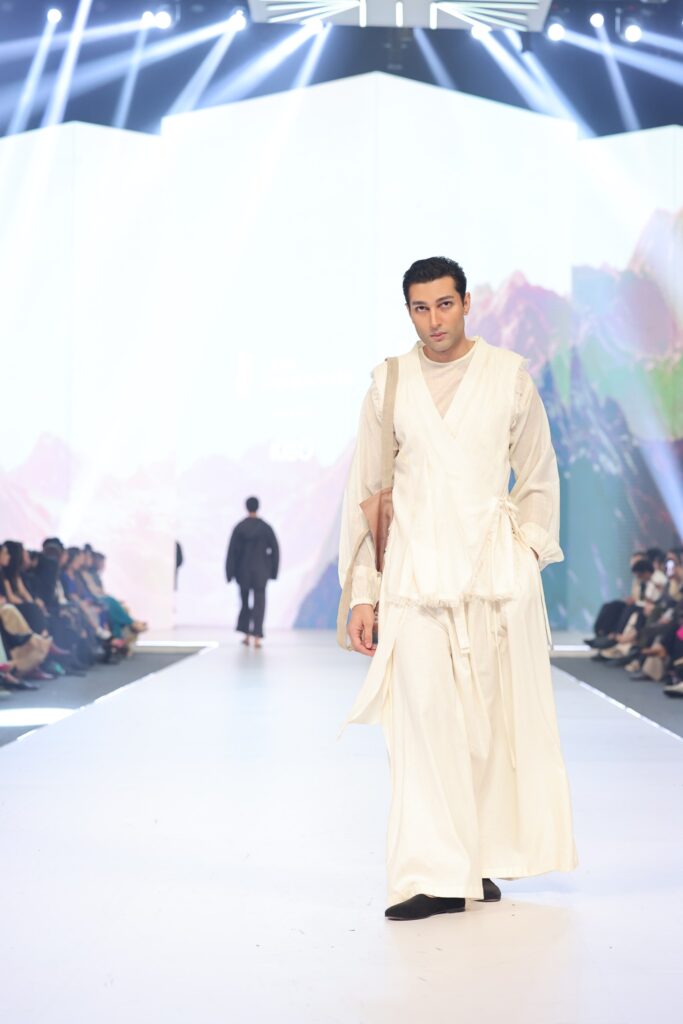
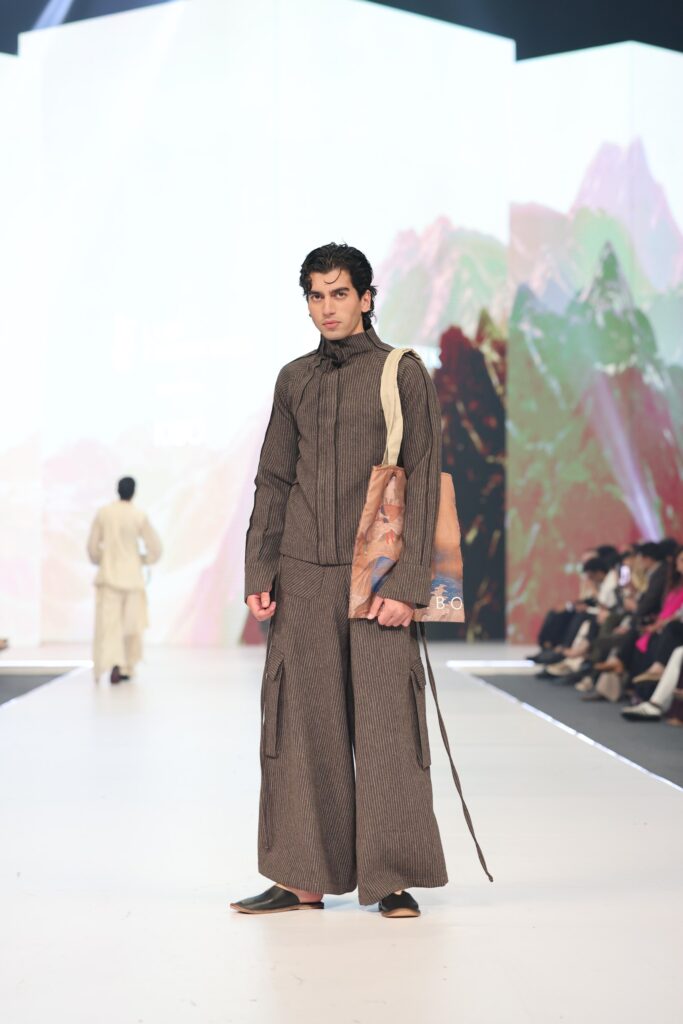
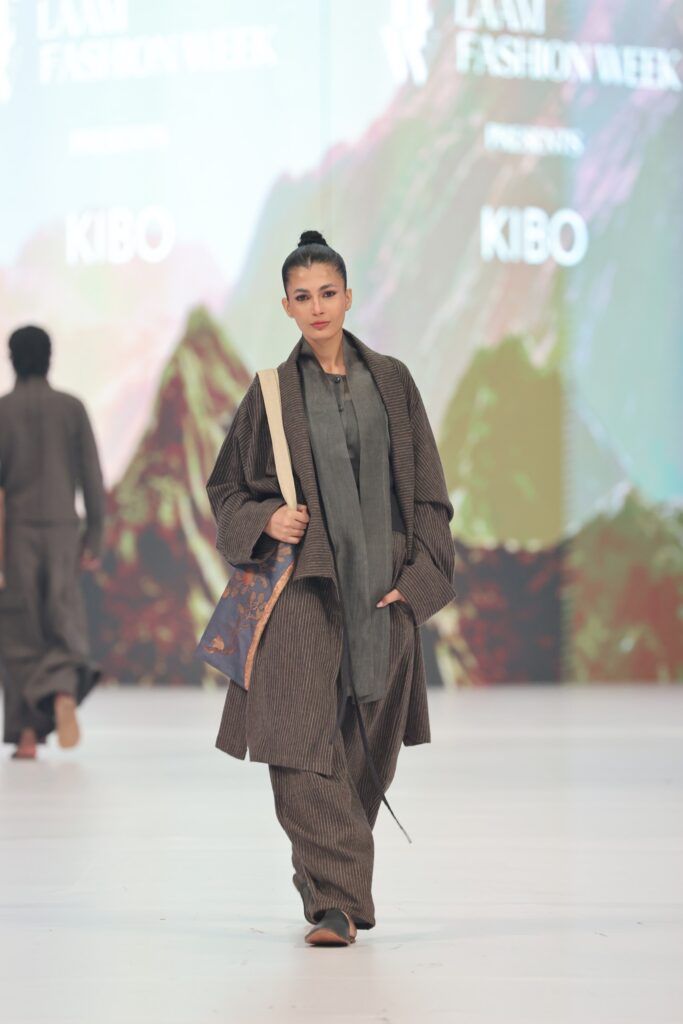
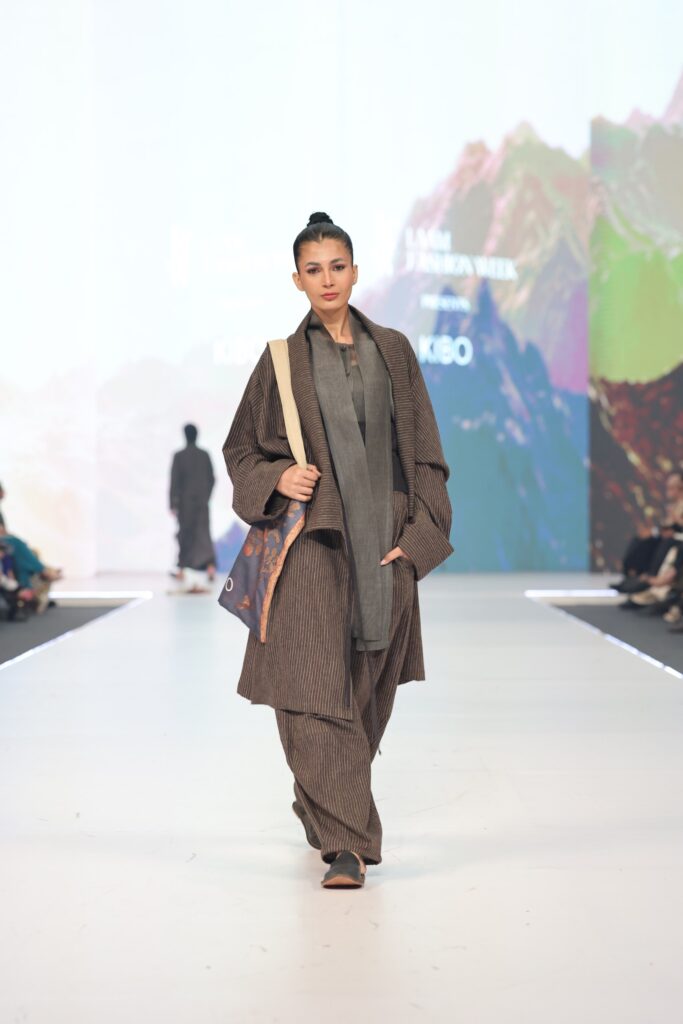
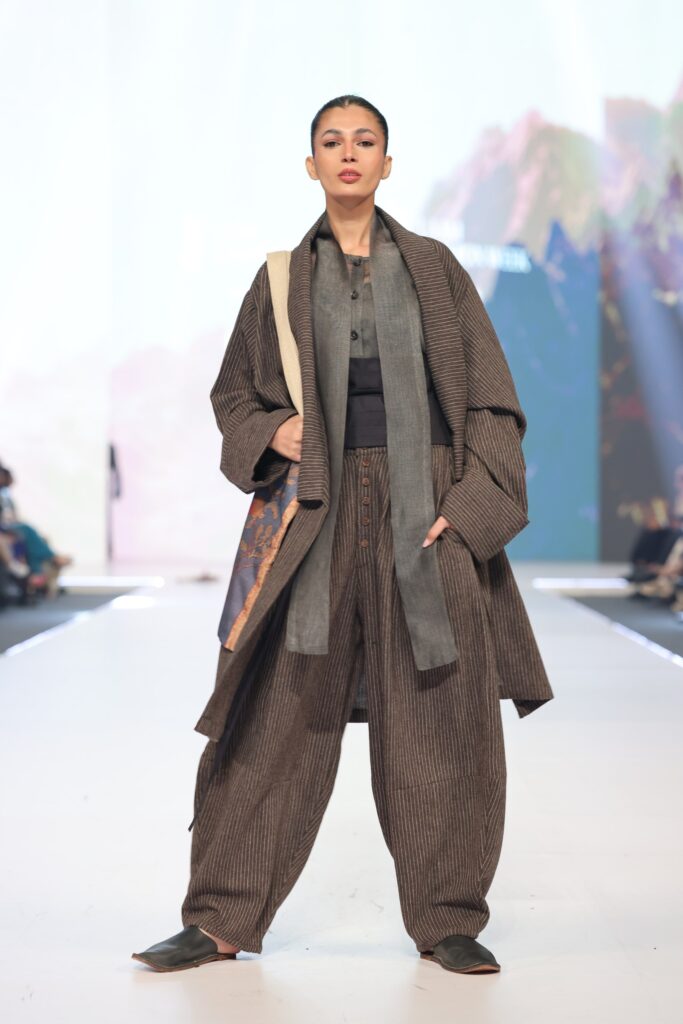
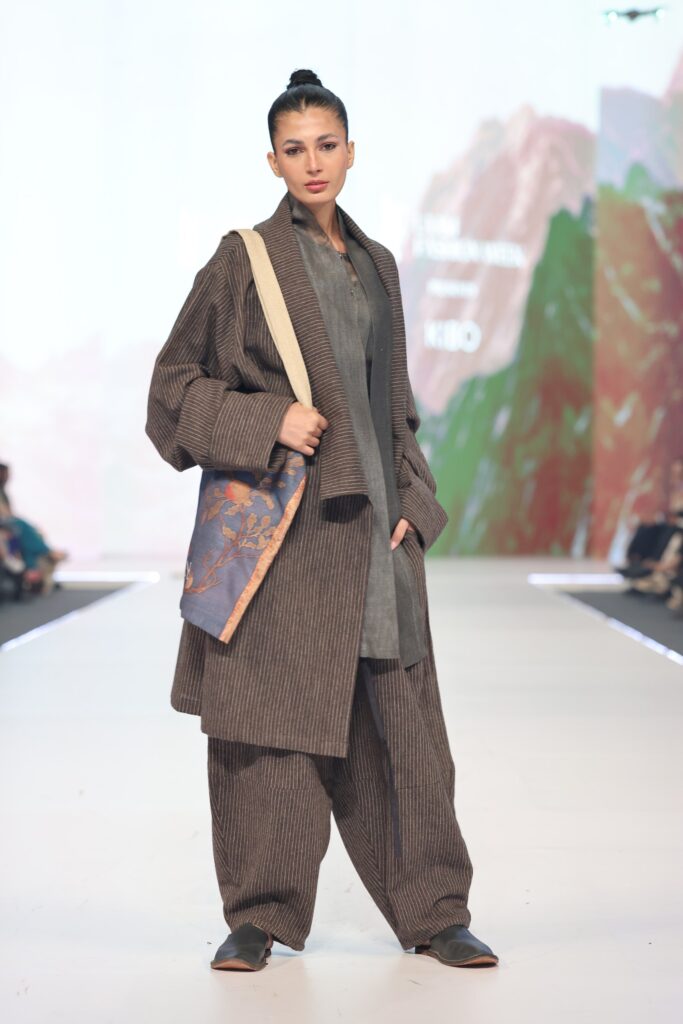
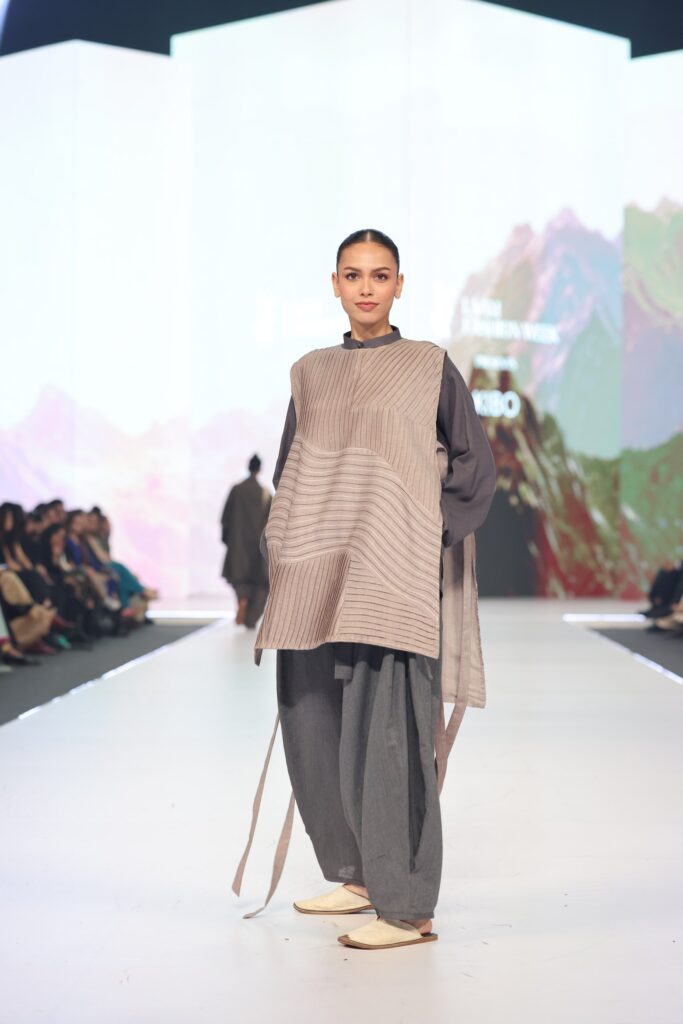
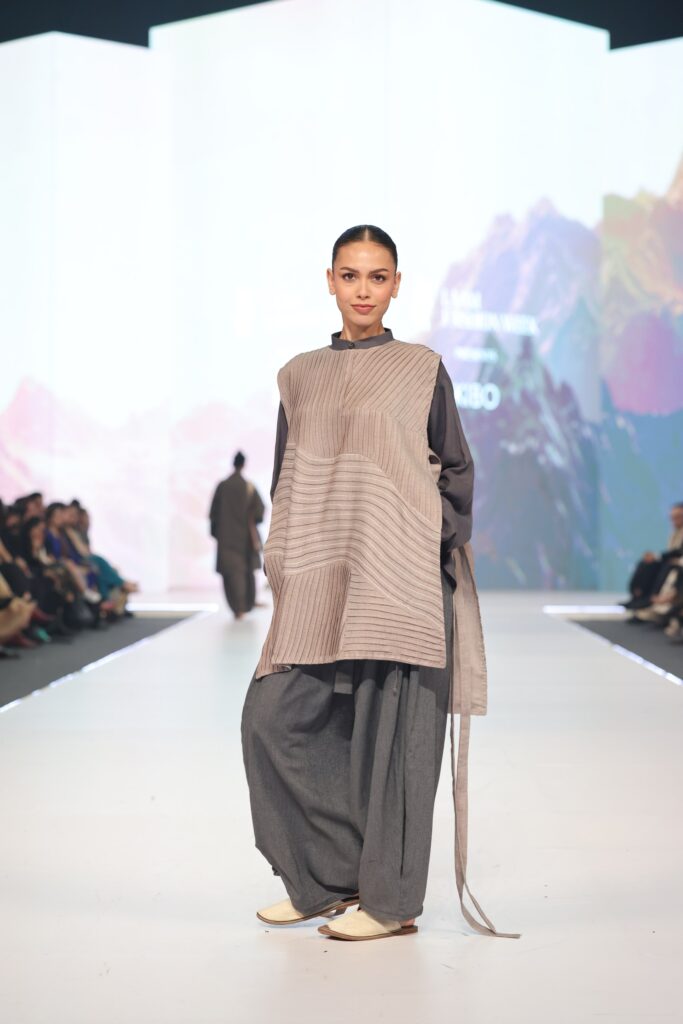
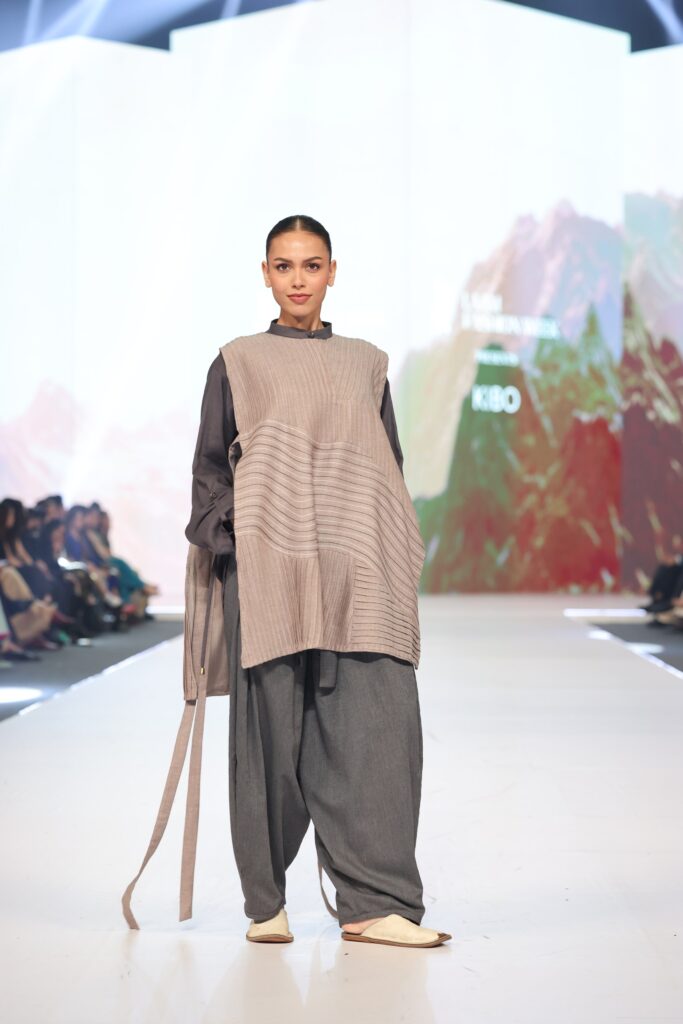
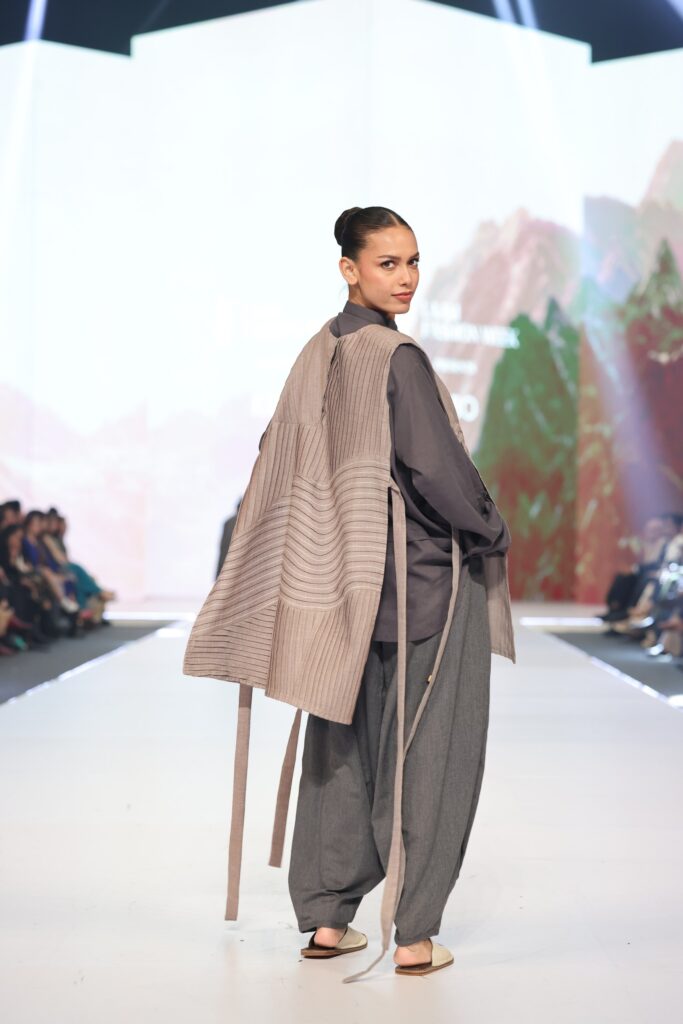
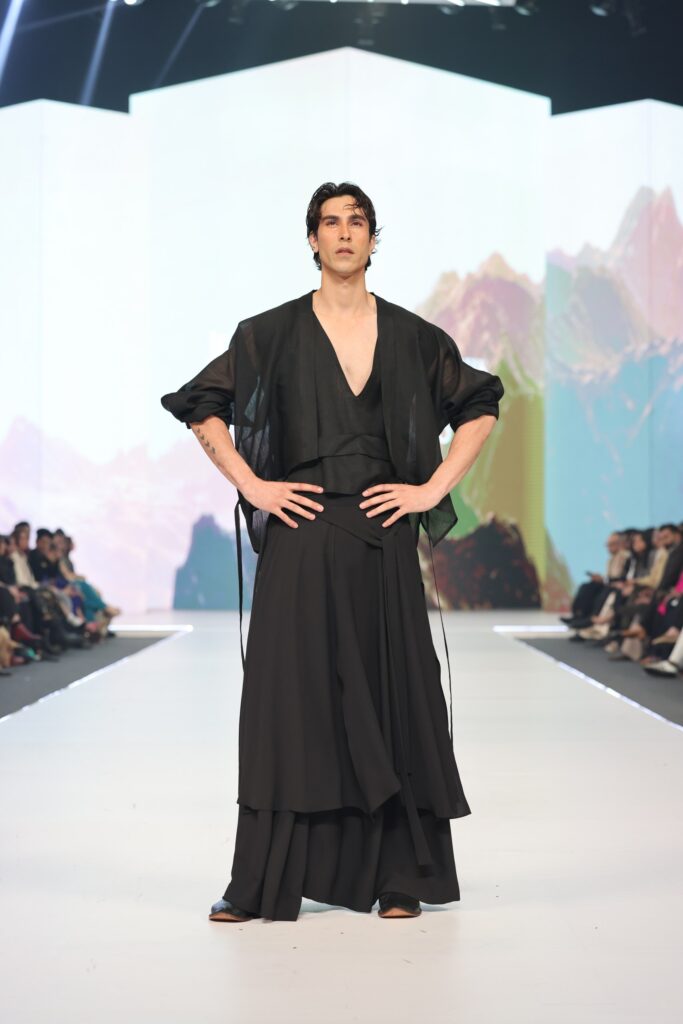
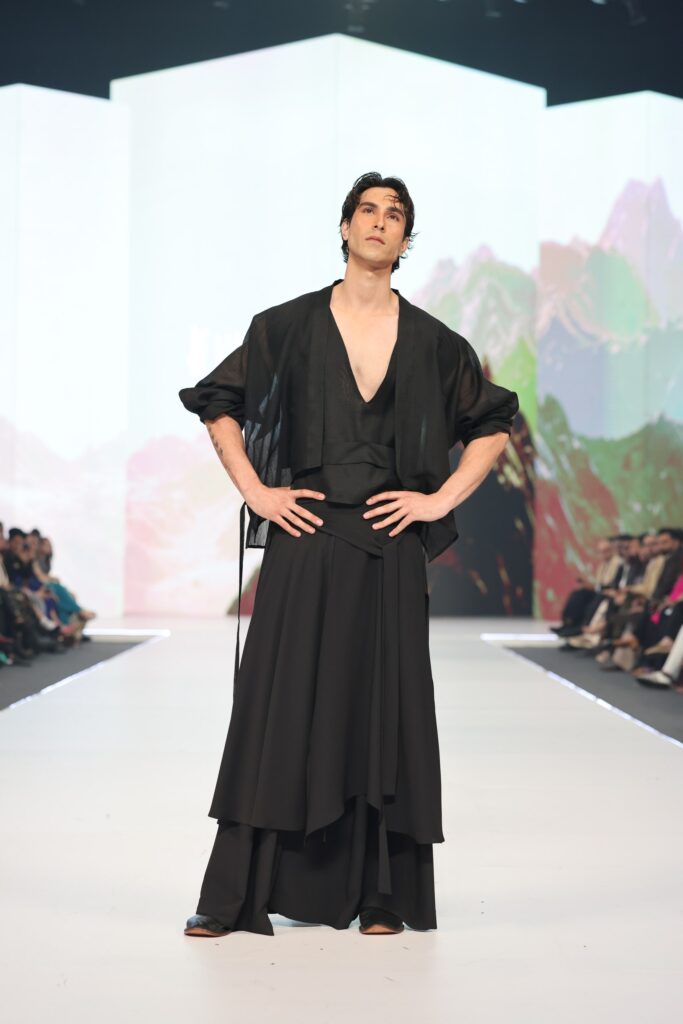
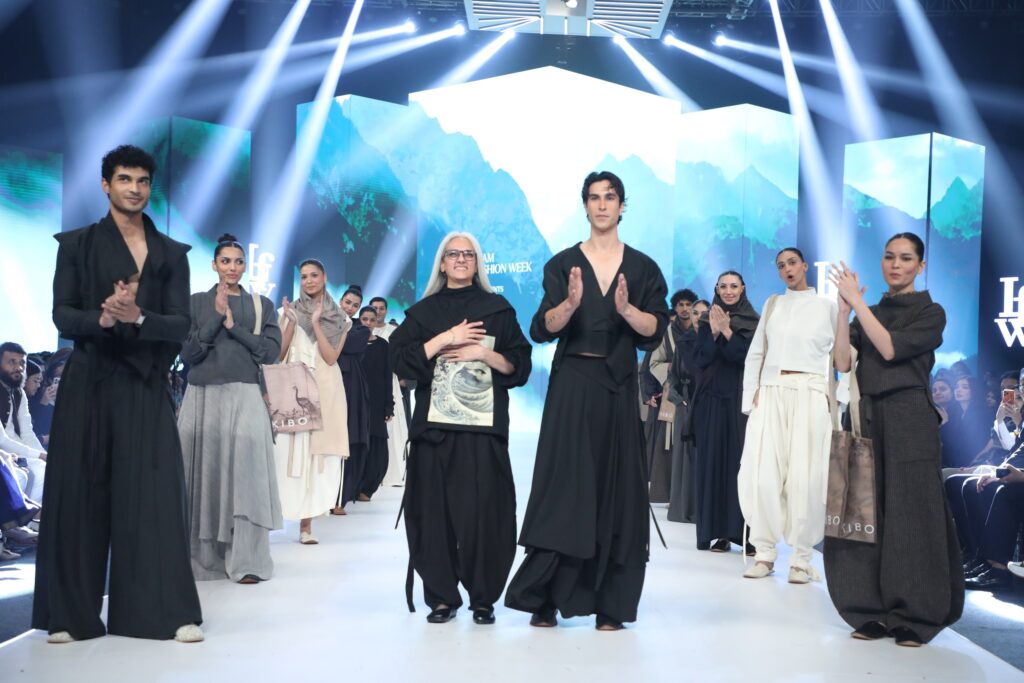
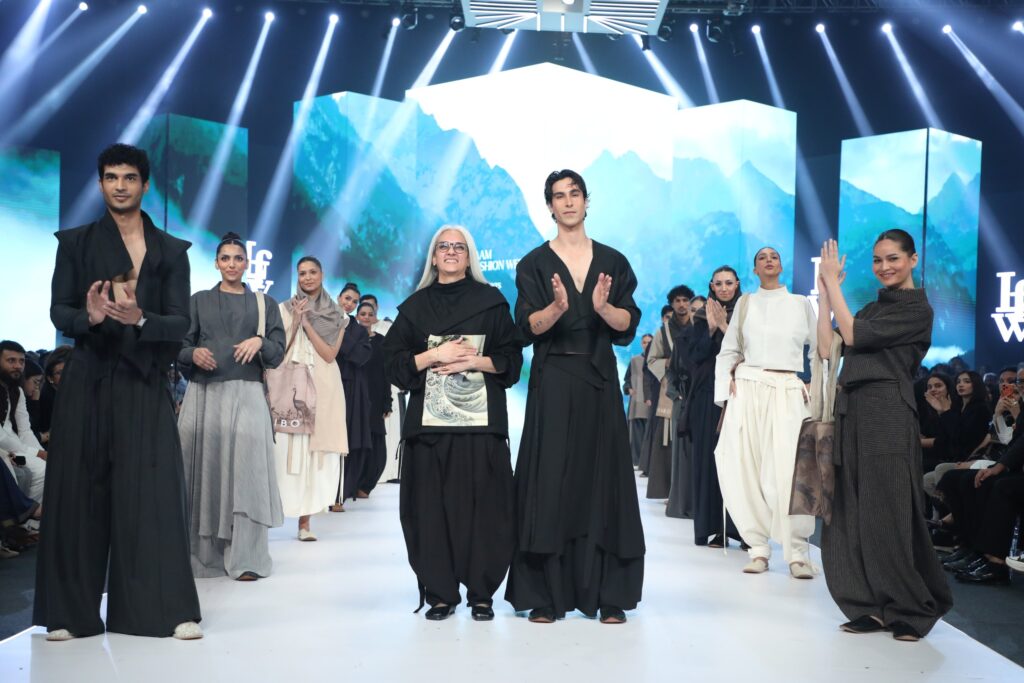
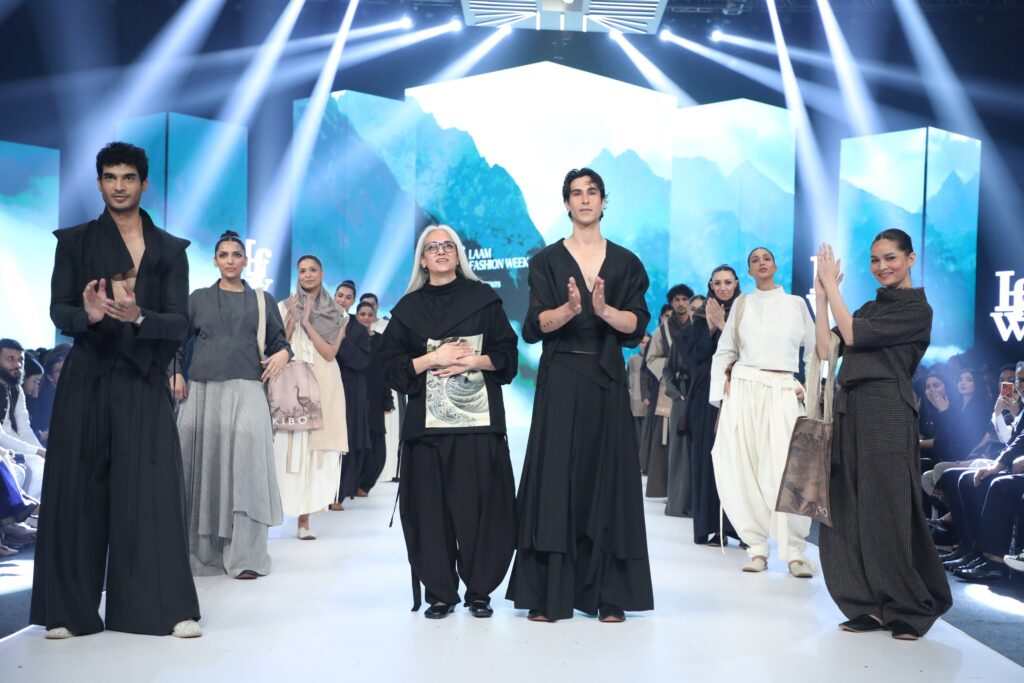
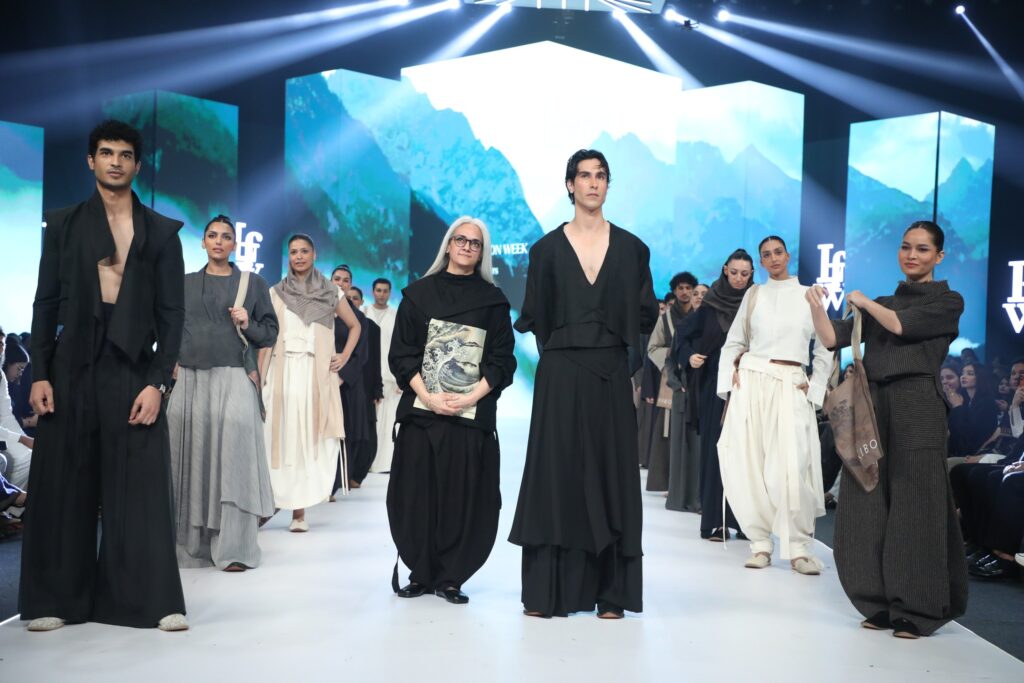
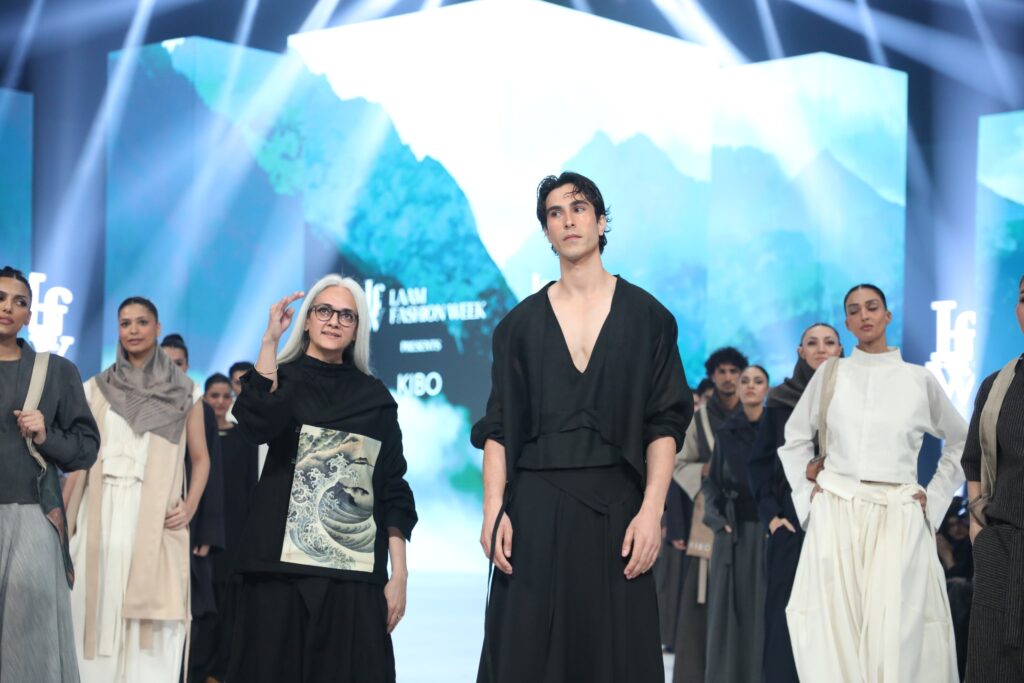
An elongated tunic can extend the body’s vertical line; a sculptural trouser can interrupt it. KIBO worked with both effects, introducing asymmetry and fabric that wrapped and gathered rather than following a conventional outline. At LAAM Fashion Week, the interest lay in how these individual elements altered the proportions of an entire look.
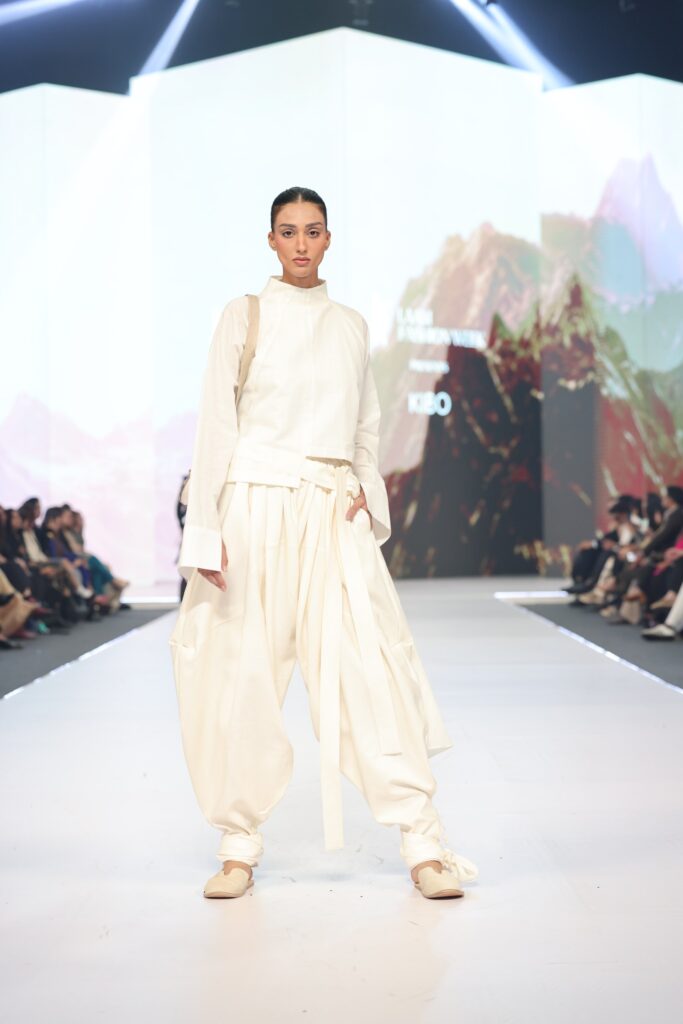
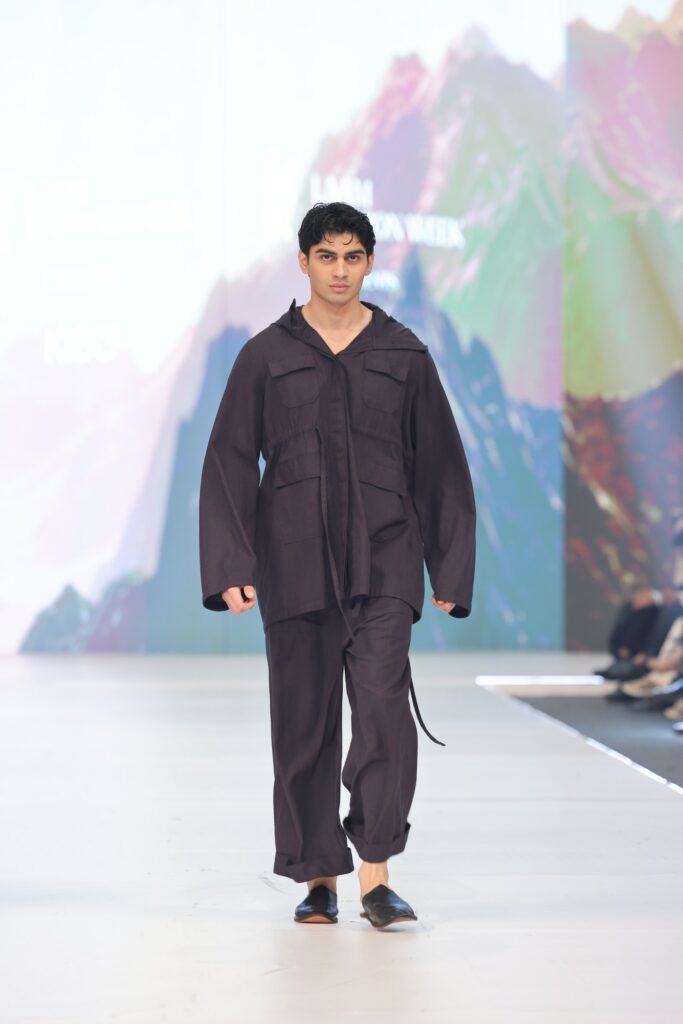
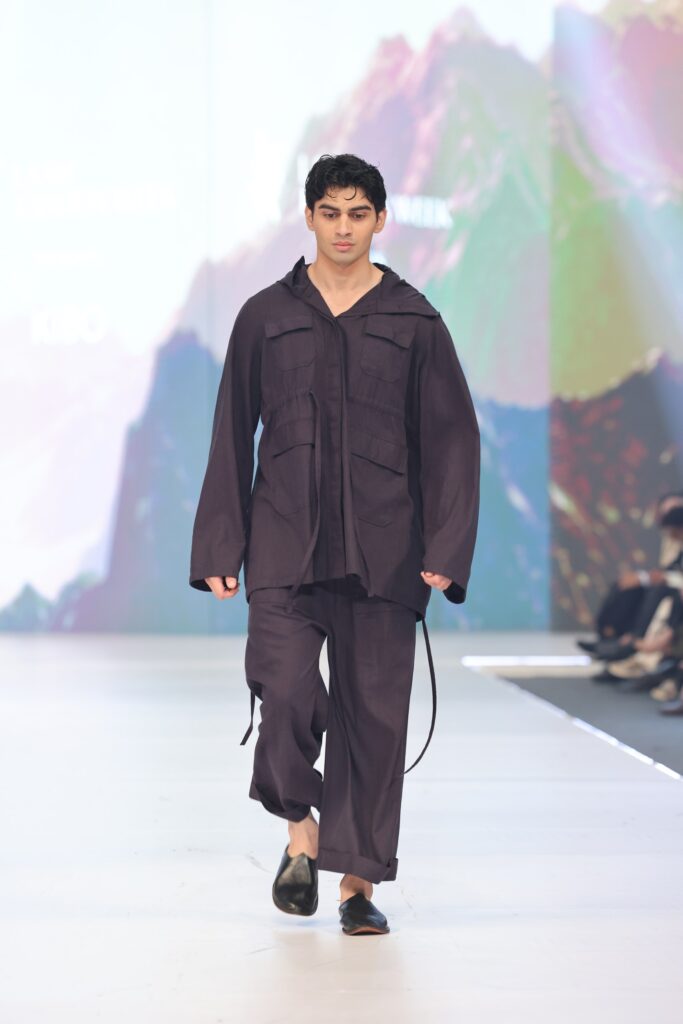
Generous volumes gave the garments a sense of ease, although their construction suggested a more deliberate approach to shape. Layers created depth, while uneven lines prevented the silhouettes from appearing static. There was a raw quality to the arrangement, particularly in the way fabric moved around the body rather than simply covering it.
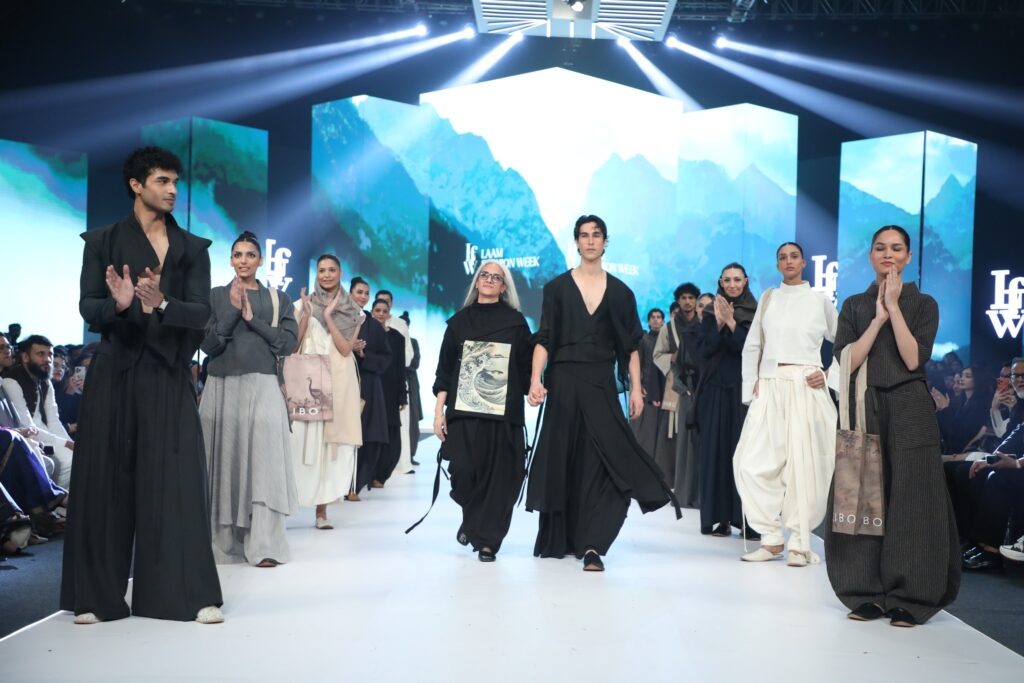
Japanese influences informed the collection alongside a Pakistani design perspective. Their relationship emerged through elongated forms, sculptural construction and an approach to dressing that favoured adaptable layers over rigid combinations. The cultural references were expressed through the clothes themselves, without requiring an elaborate decorative vocabulary.
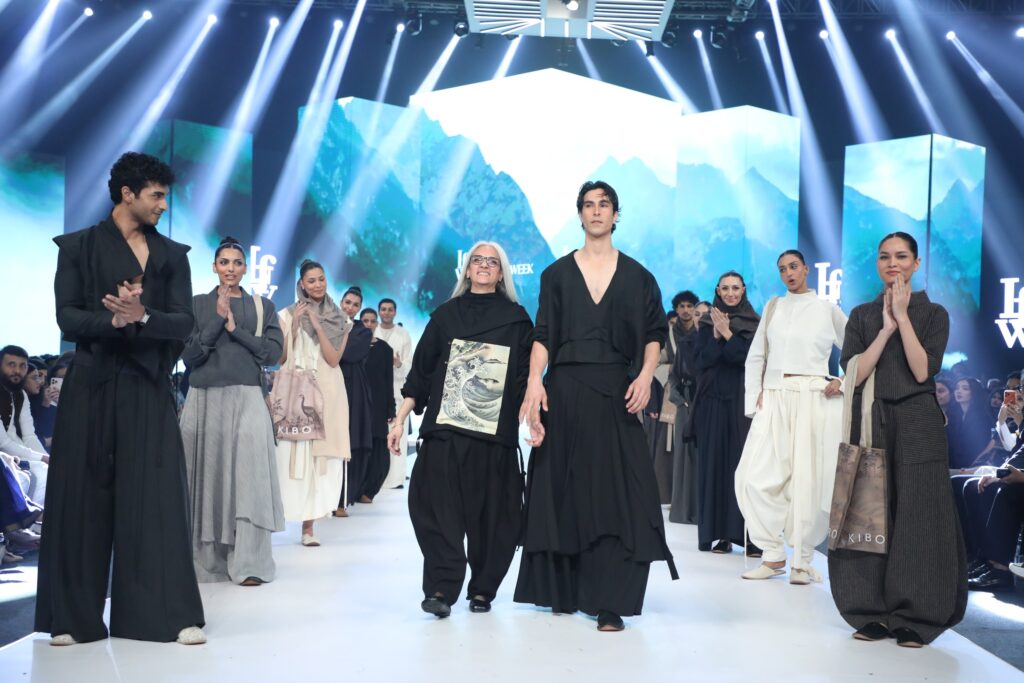
Colour reinforced this emphasis on silhouette. Ivory and earthy neutrals provided a subdued foundation, punctuated by charcoal, deep blue and black. Within this limited spectrum, variations in texture, volume and drape became more apparent.
The suggestion of a nomadic wardrobe was ultimately less about a particular destination than the experience of movement. KIBO’s clothes appeared designed to change their outline with the wearer, allowing the body and the fabric to determine how each silhouette was experienced.