
Sheer Against Sculpted: Project 1959’s A/W 2027 at LAAM Fashion Week

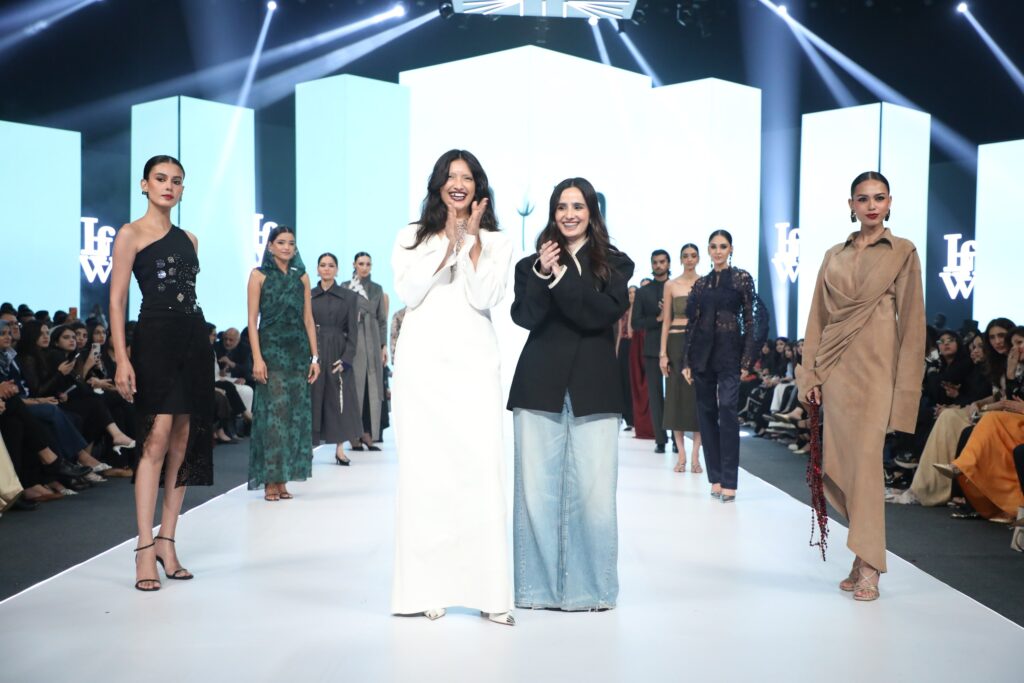
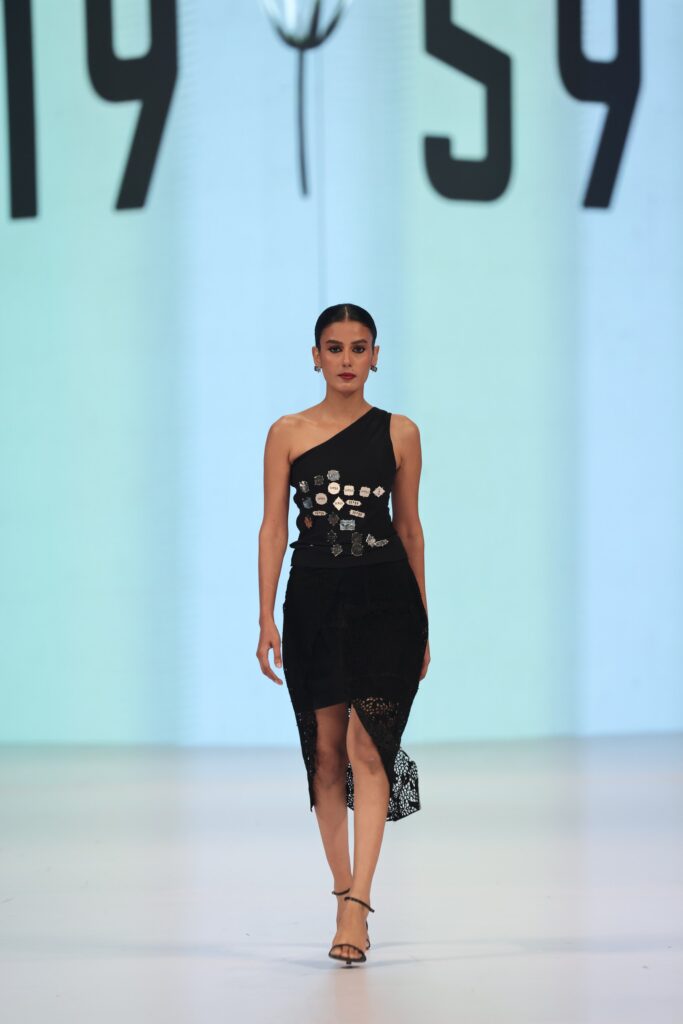
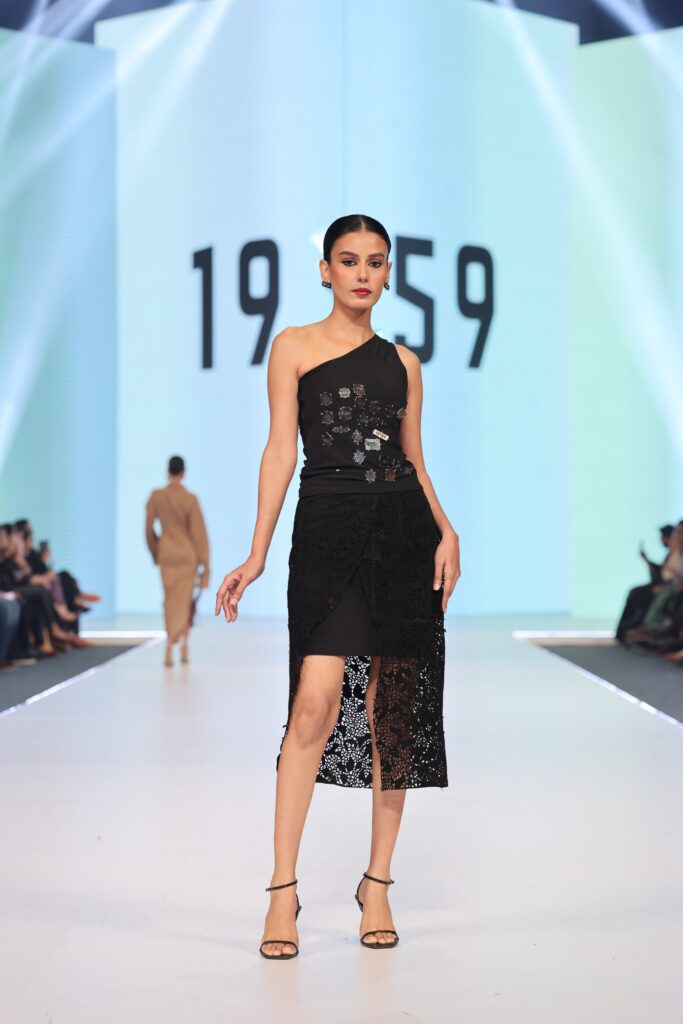
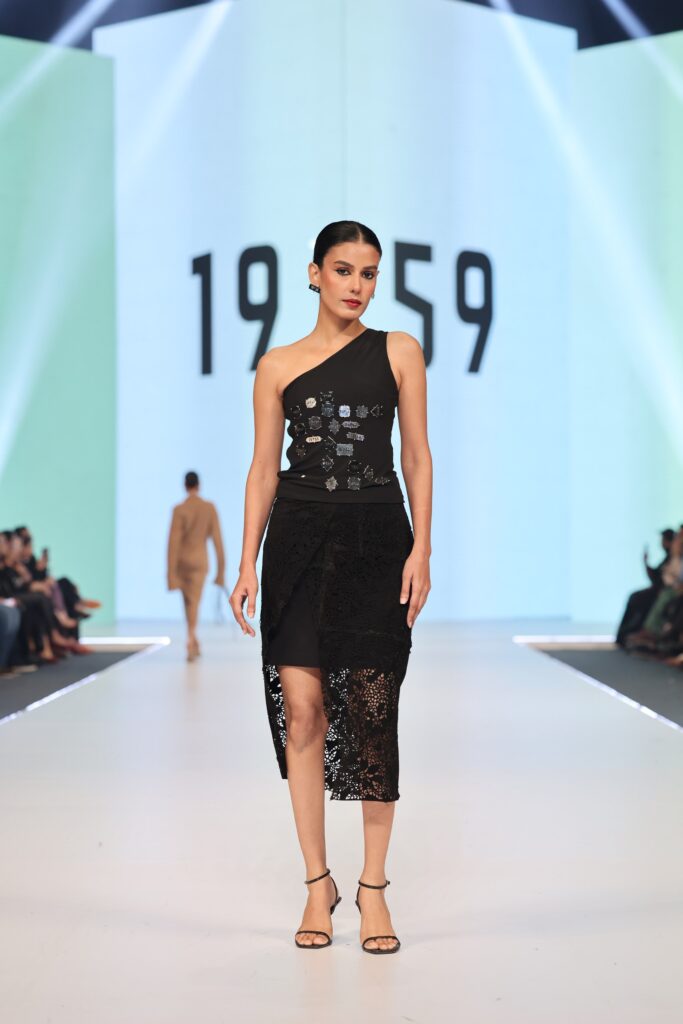
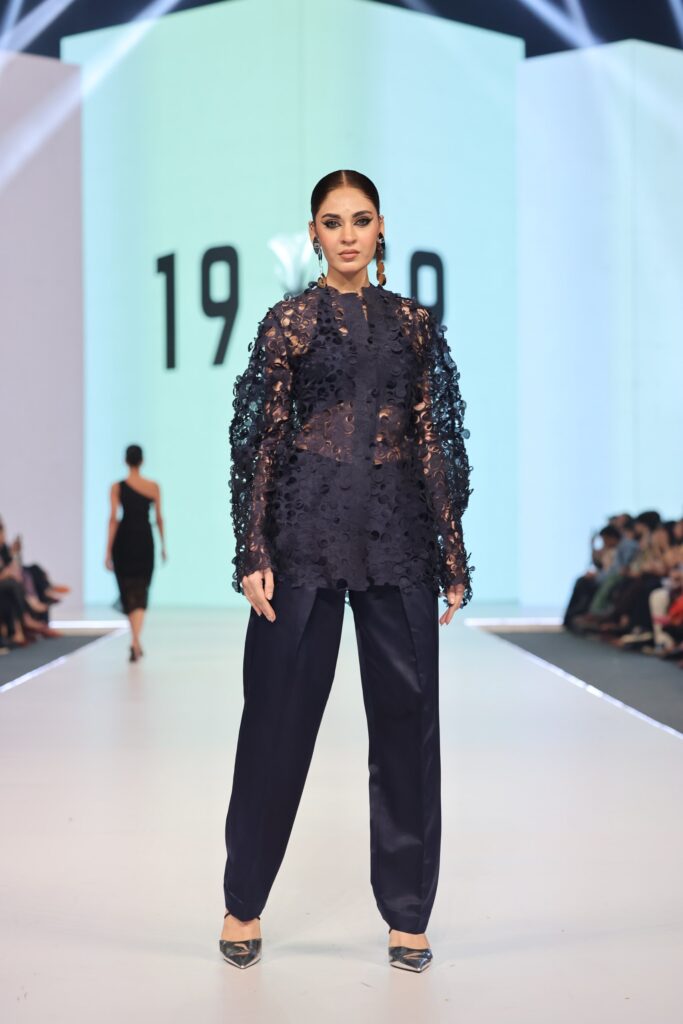
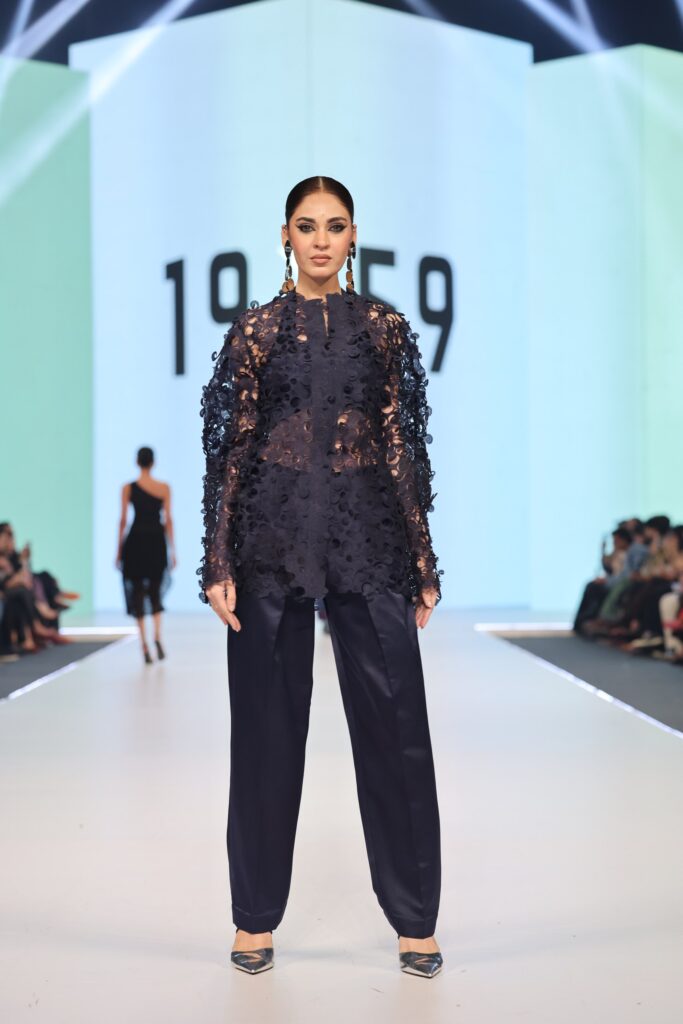
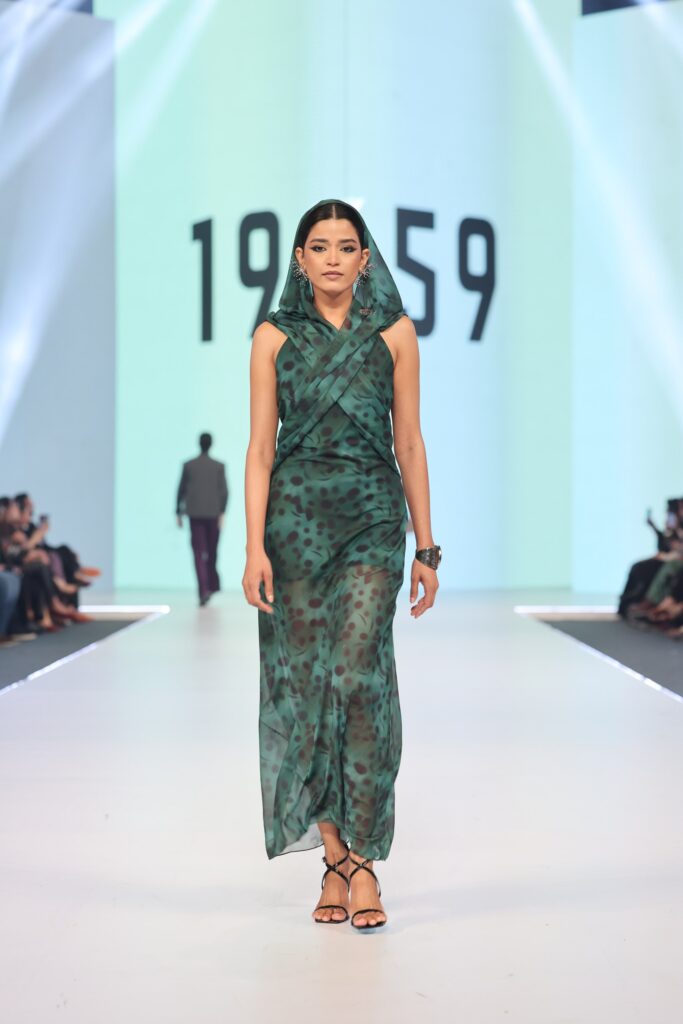
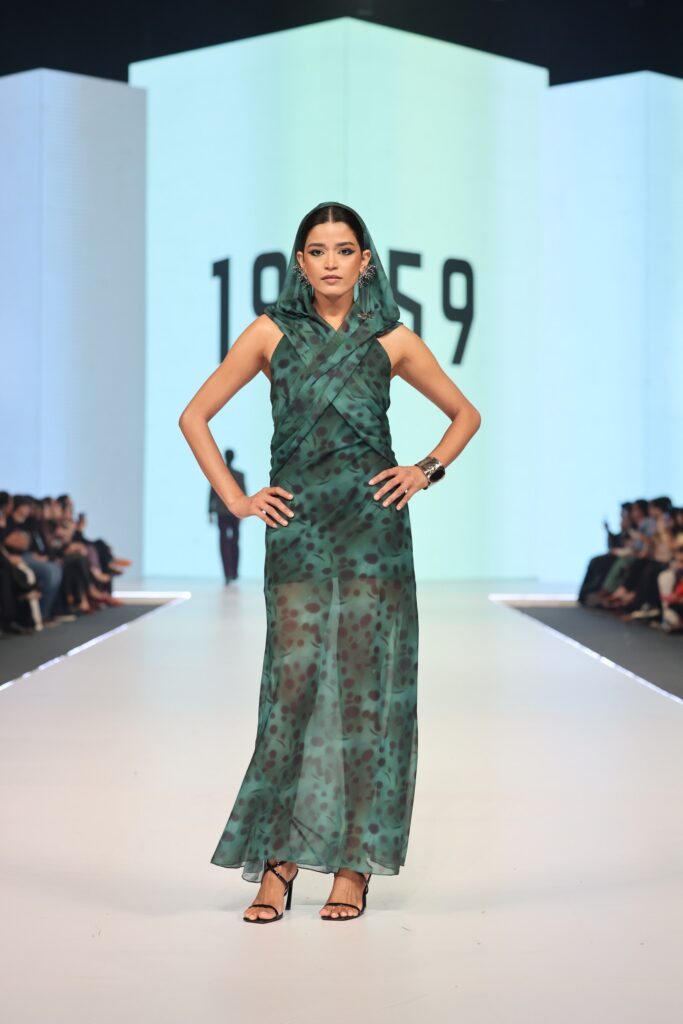
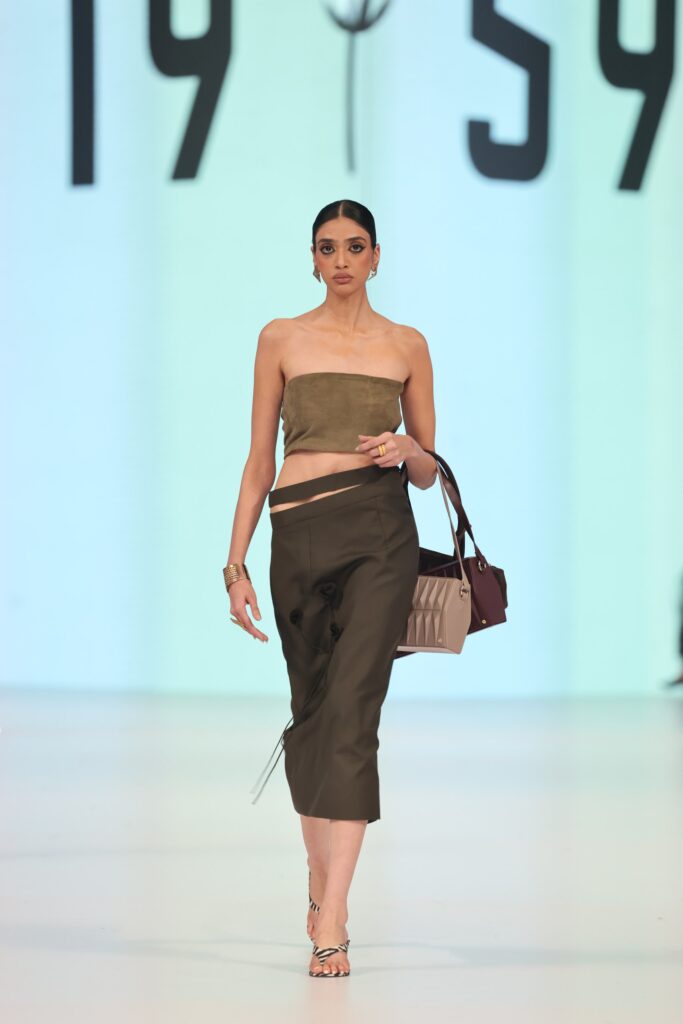
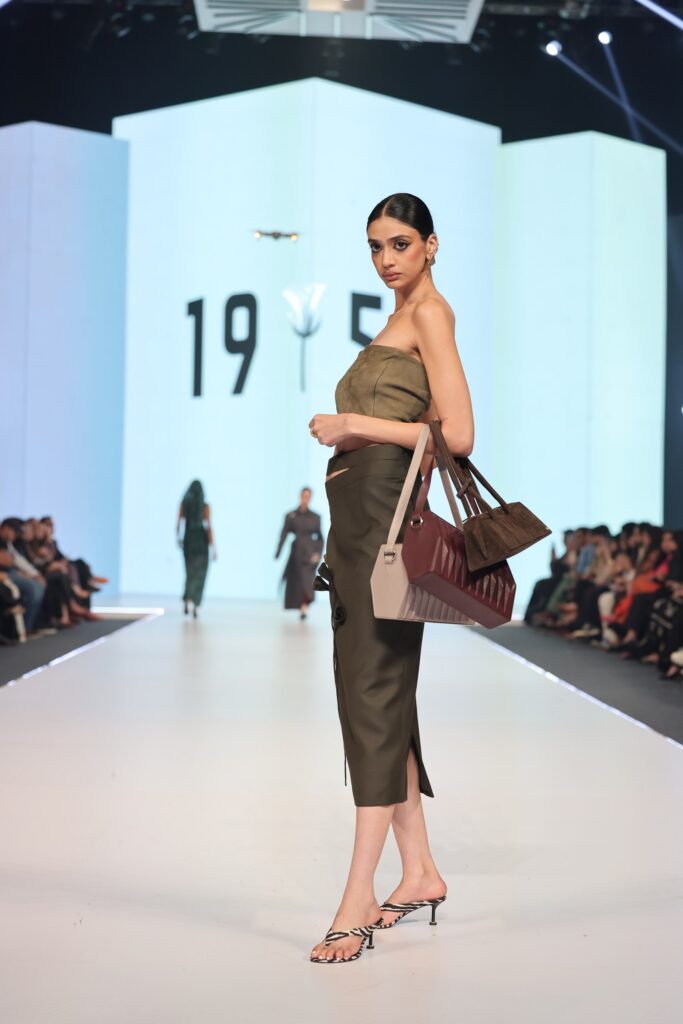
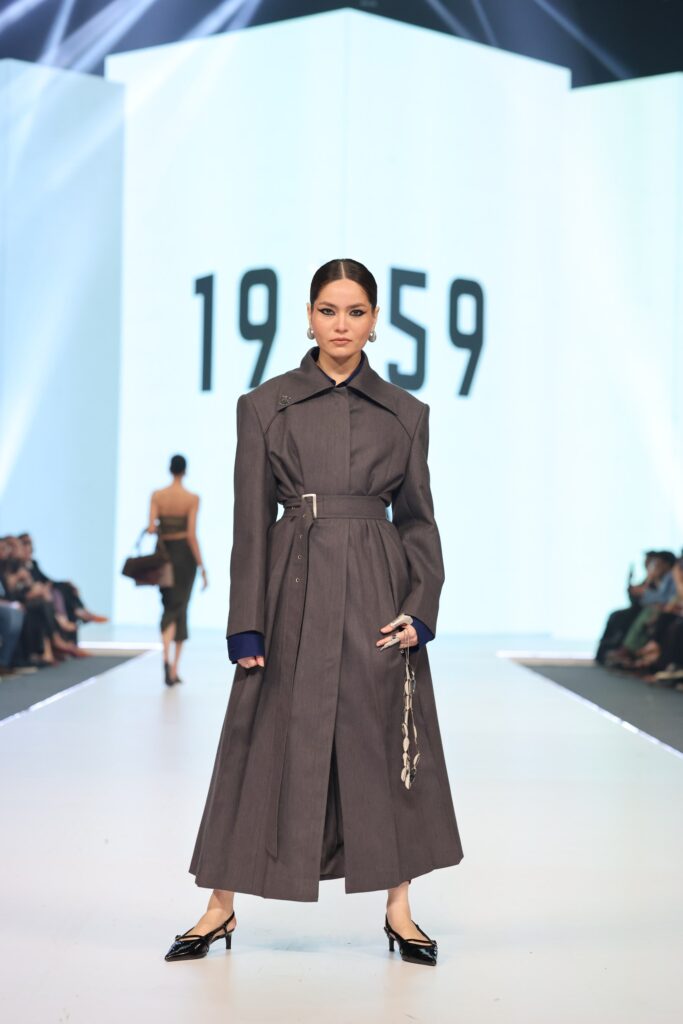
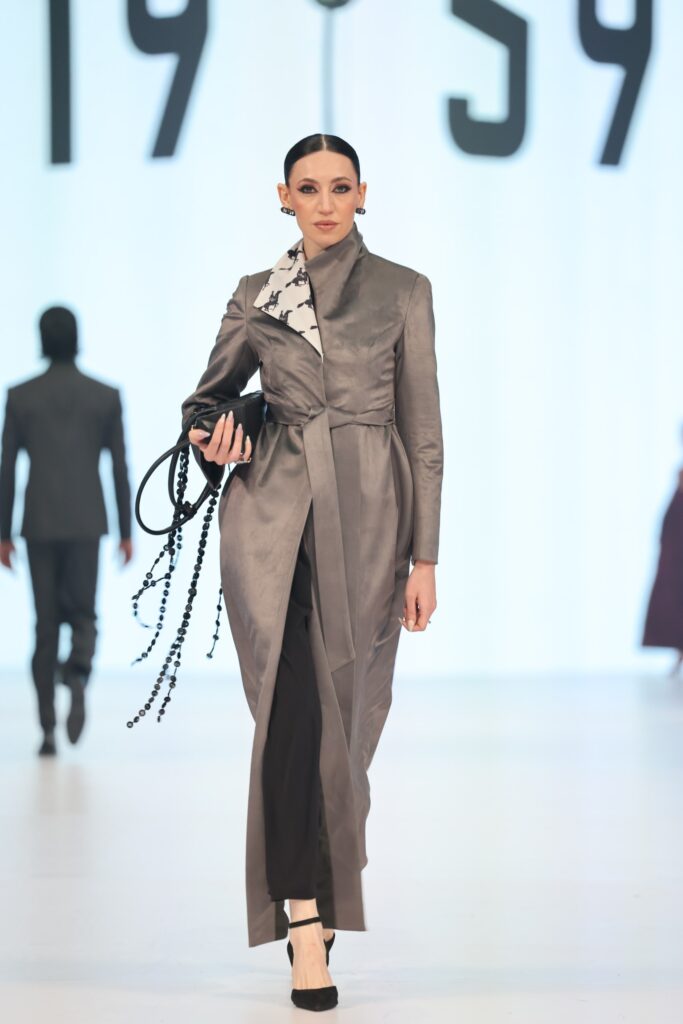
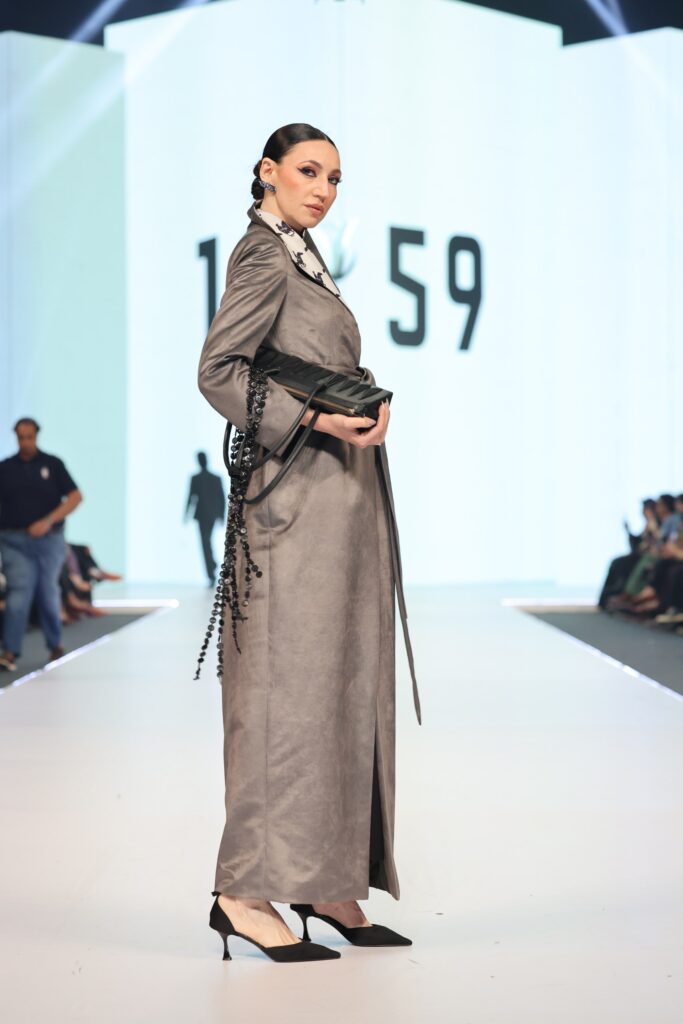
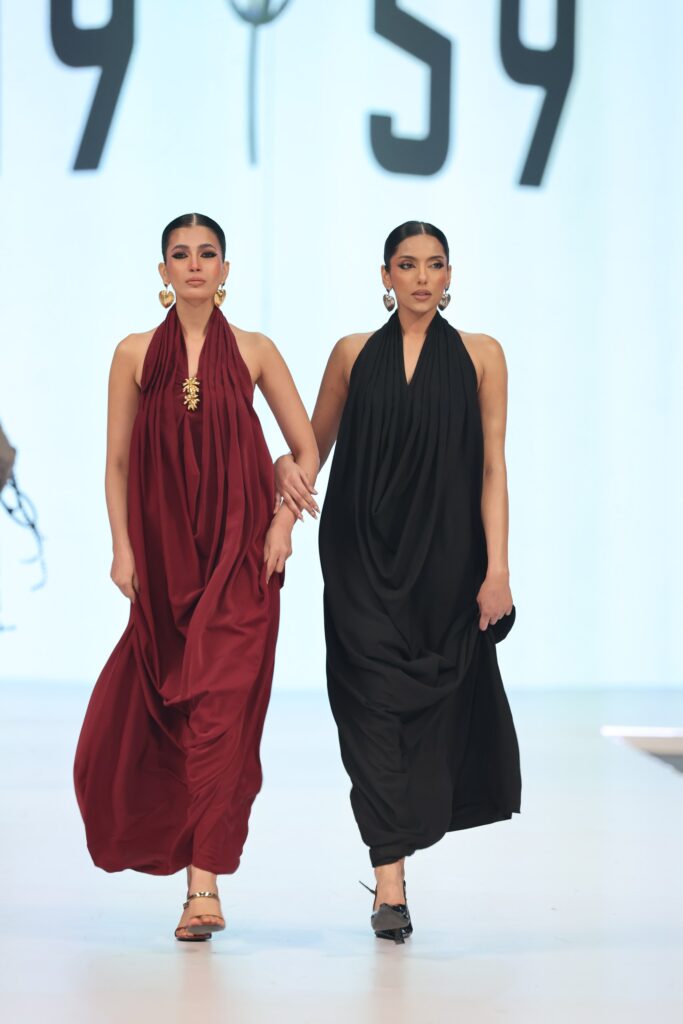
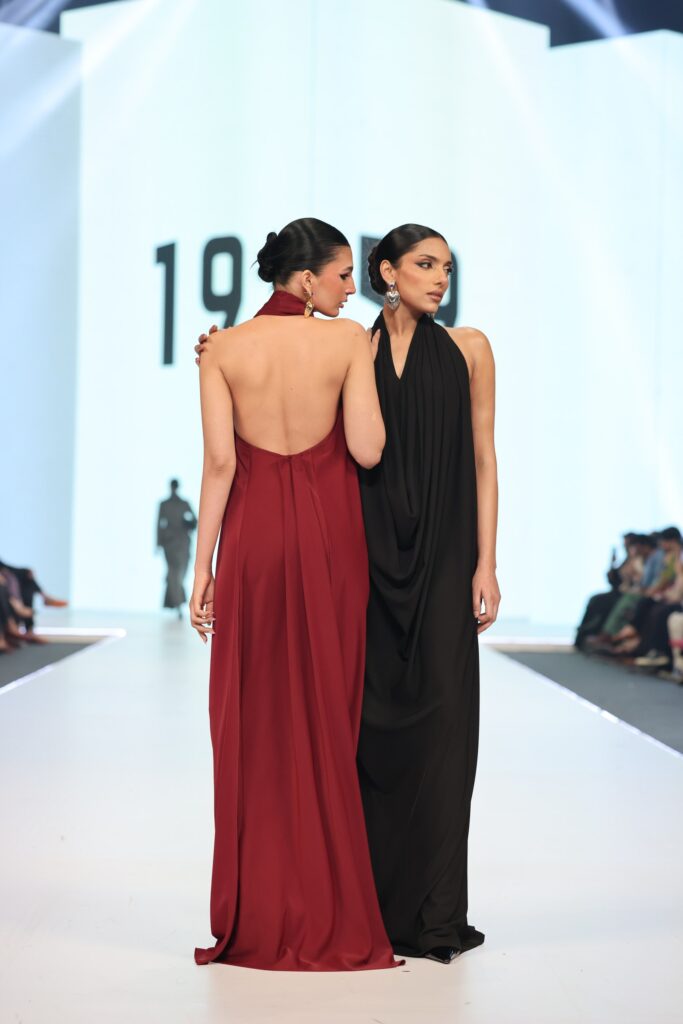
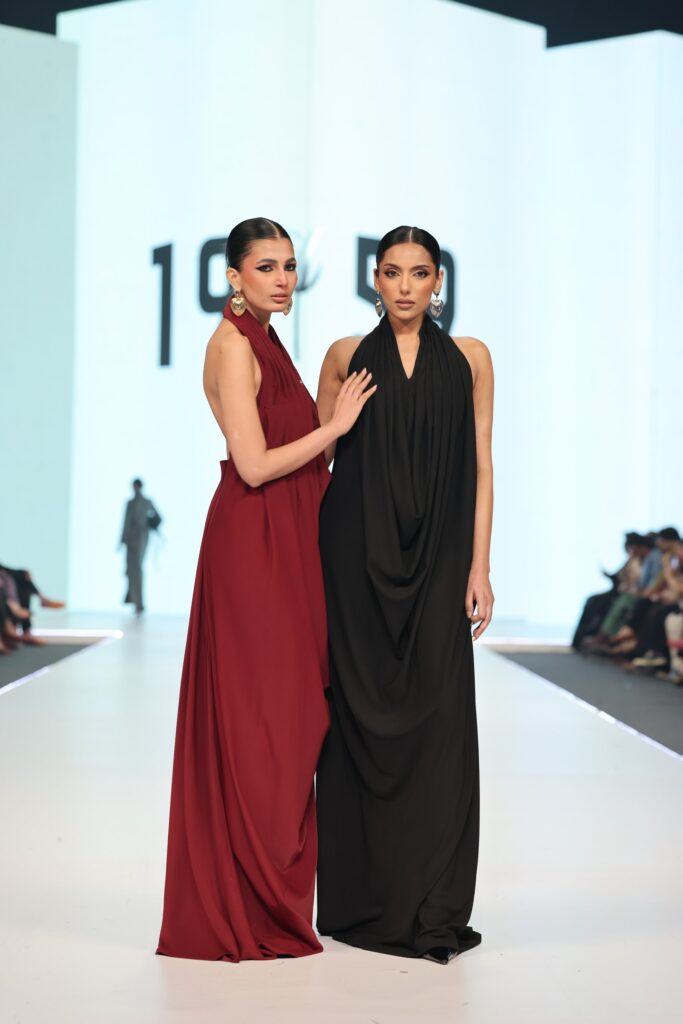
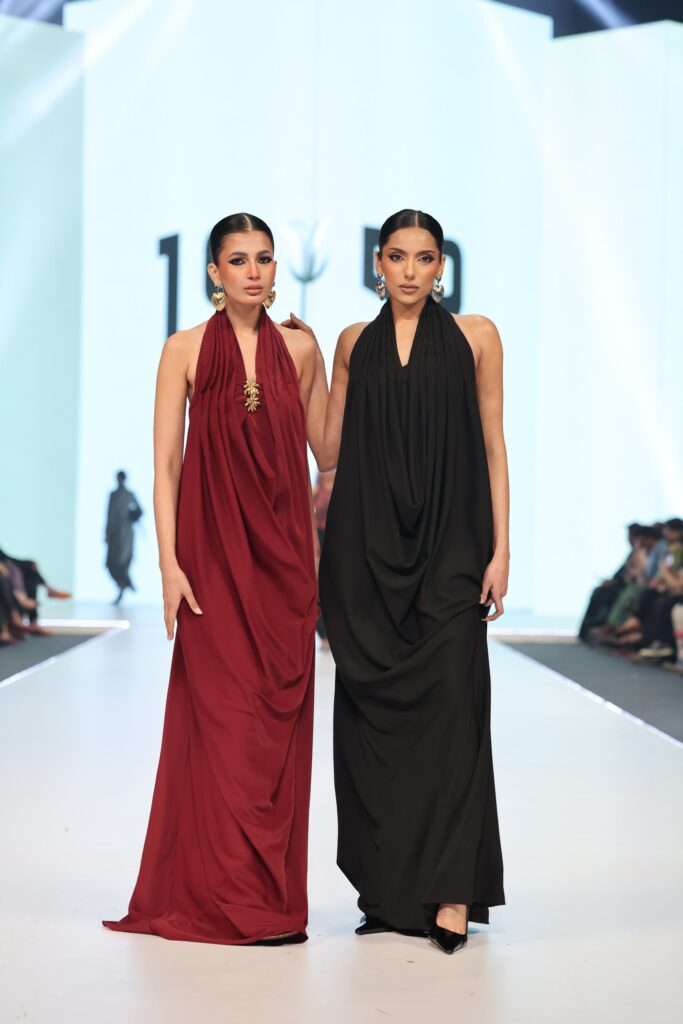
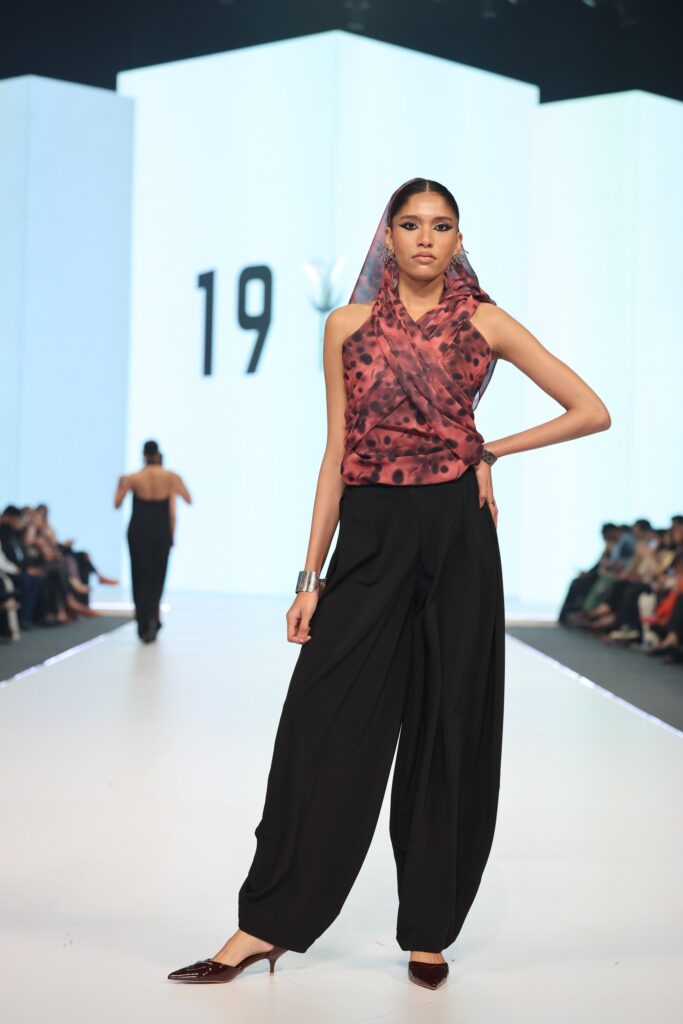
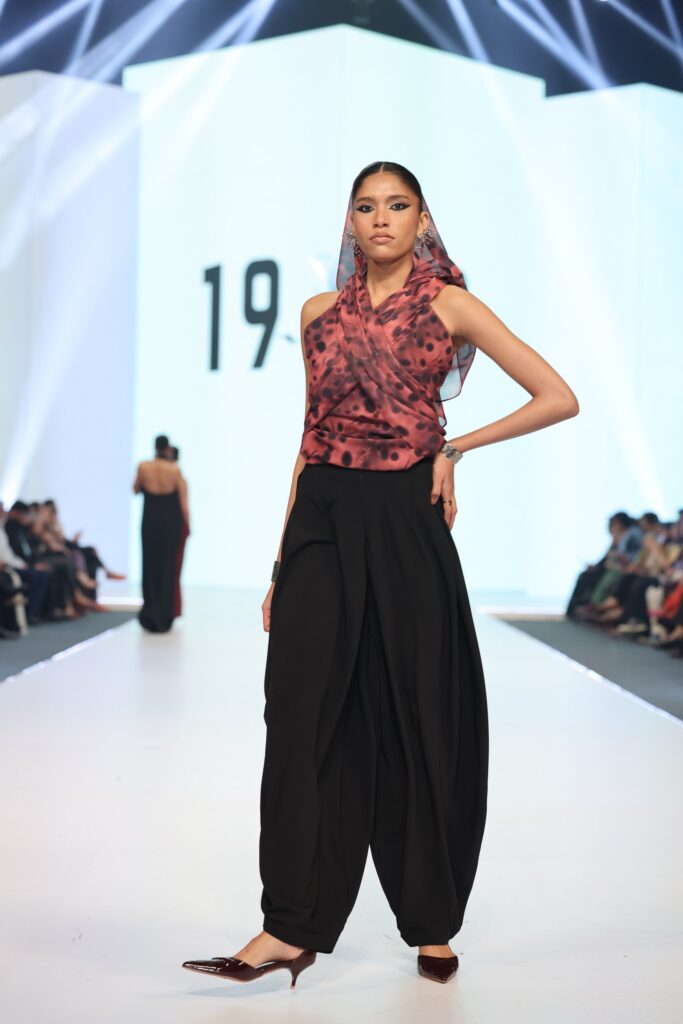
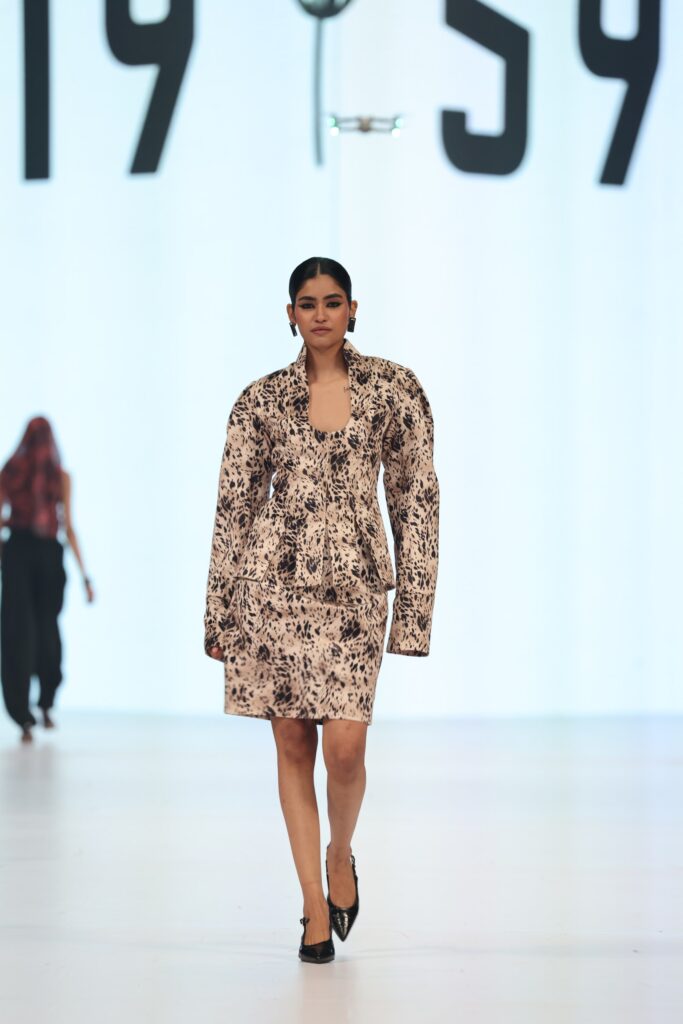
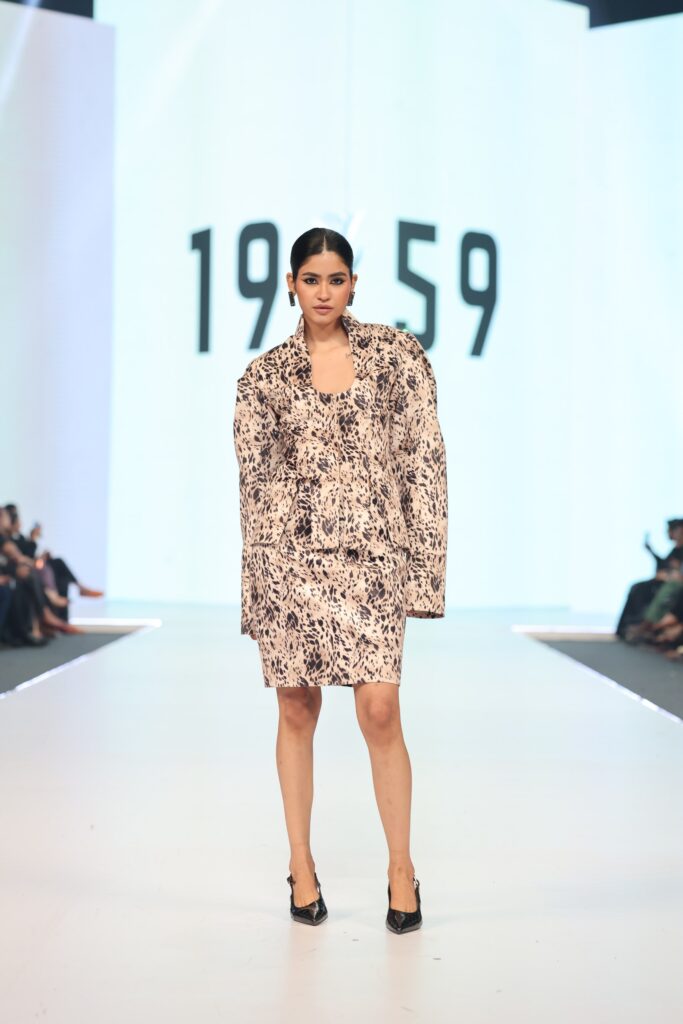
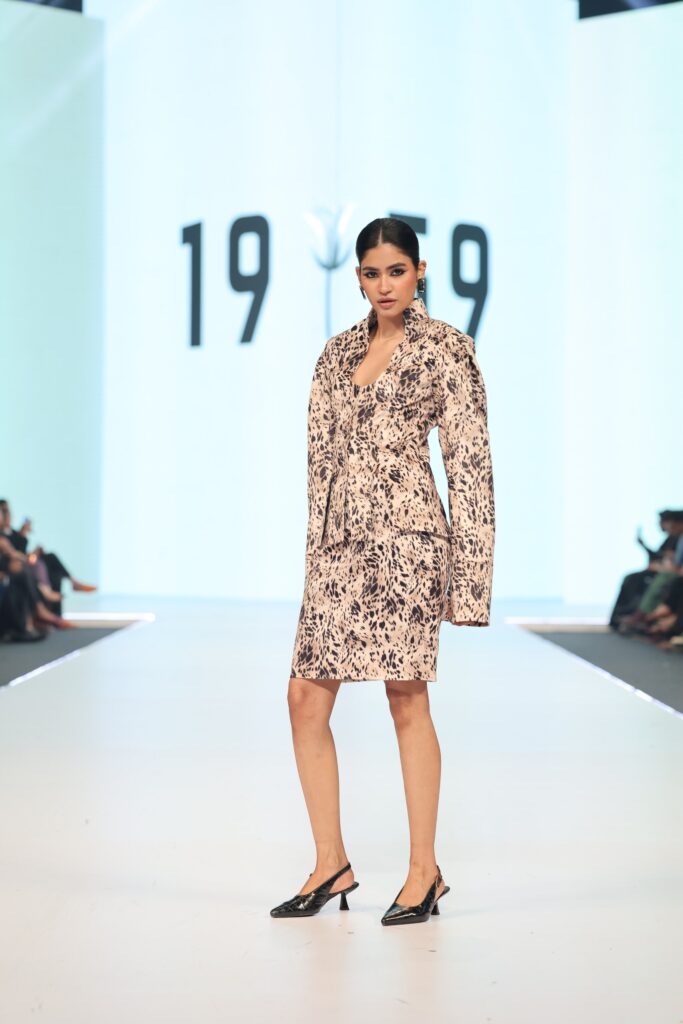
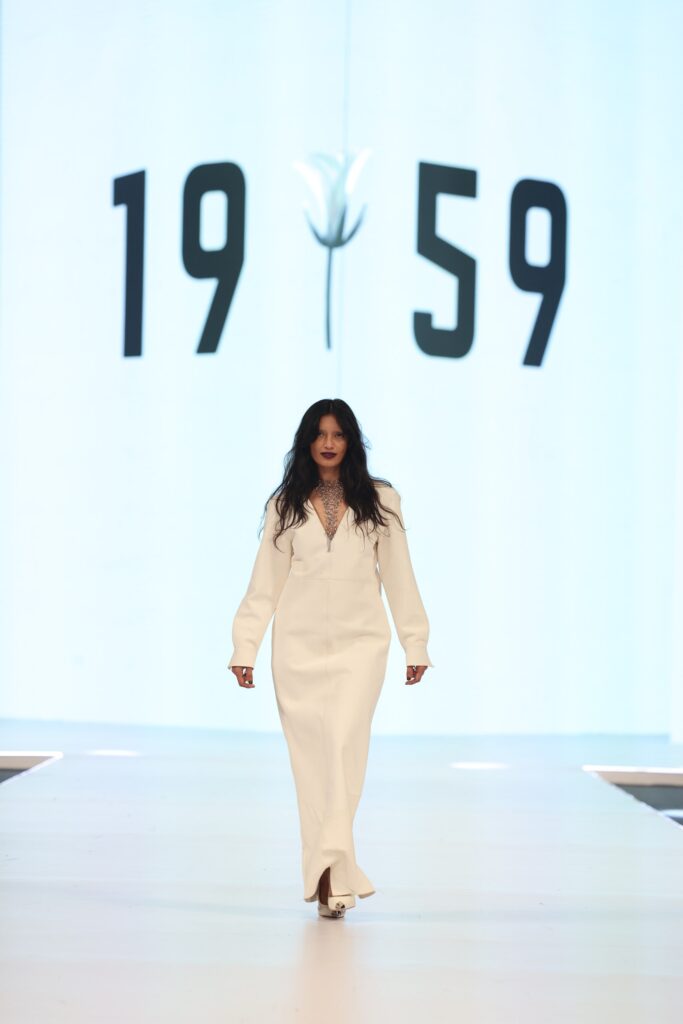
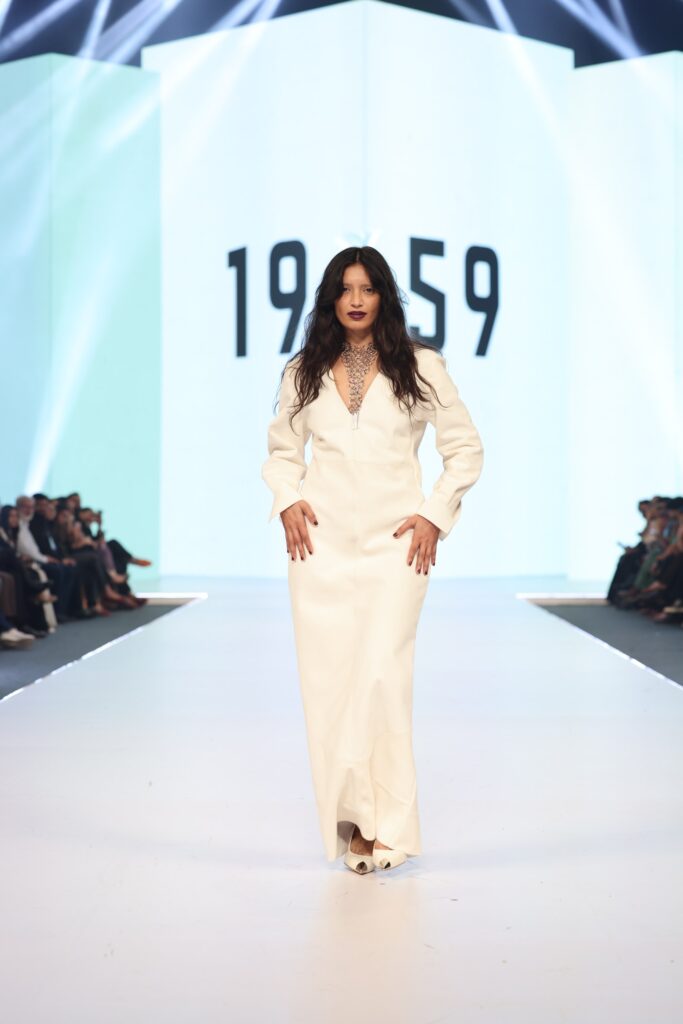
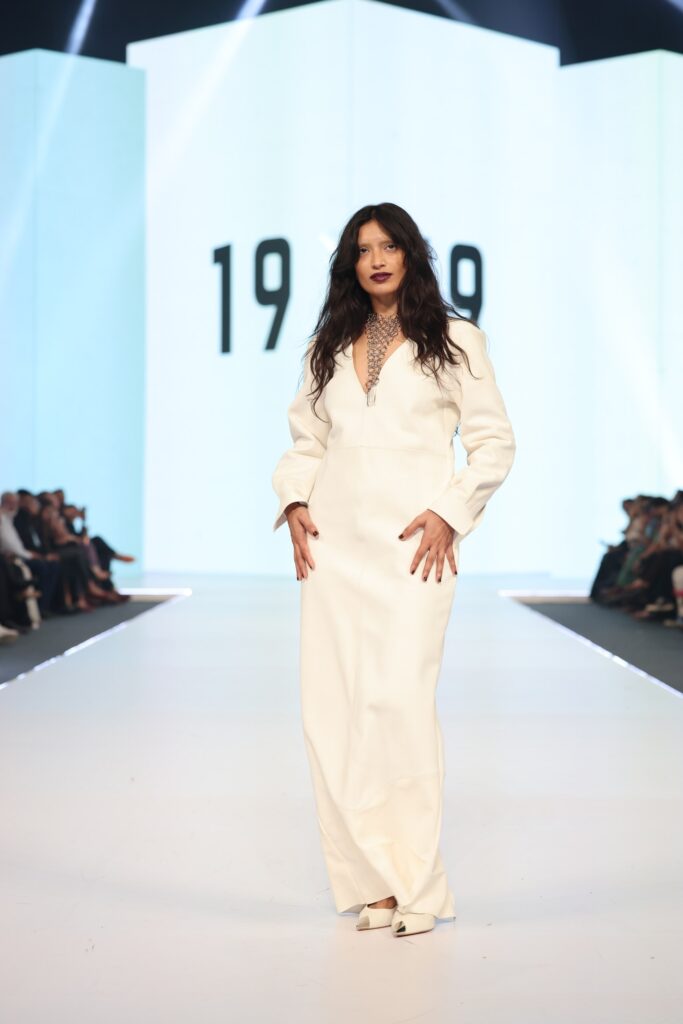
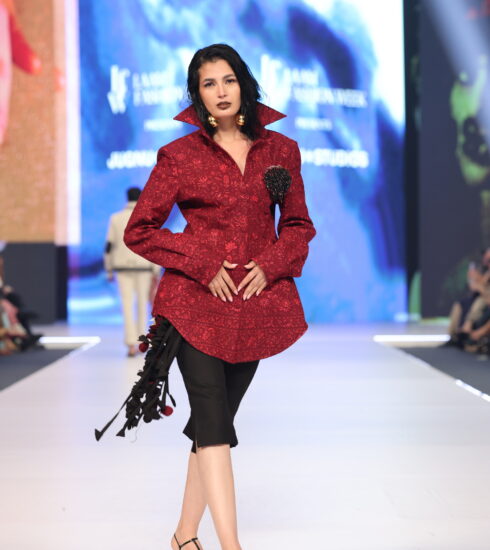
Sculpted outerwear gave Project 1959’s Autumn/Winter 2027 collection its firmest contours. Elsewhere, sheer textures and fluid draping unsettled that sense of certainty, creating a wardrobe defined less by a single silhouette than by the interplay of opposing forms.
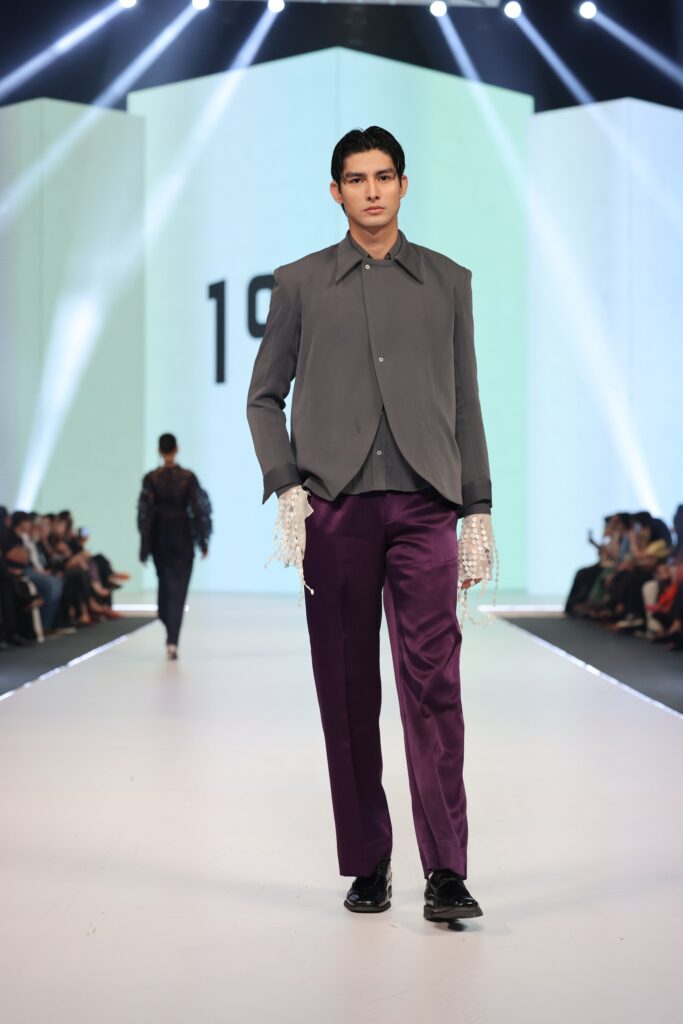
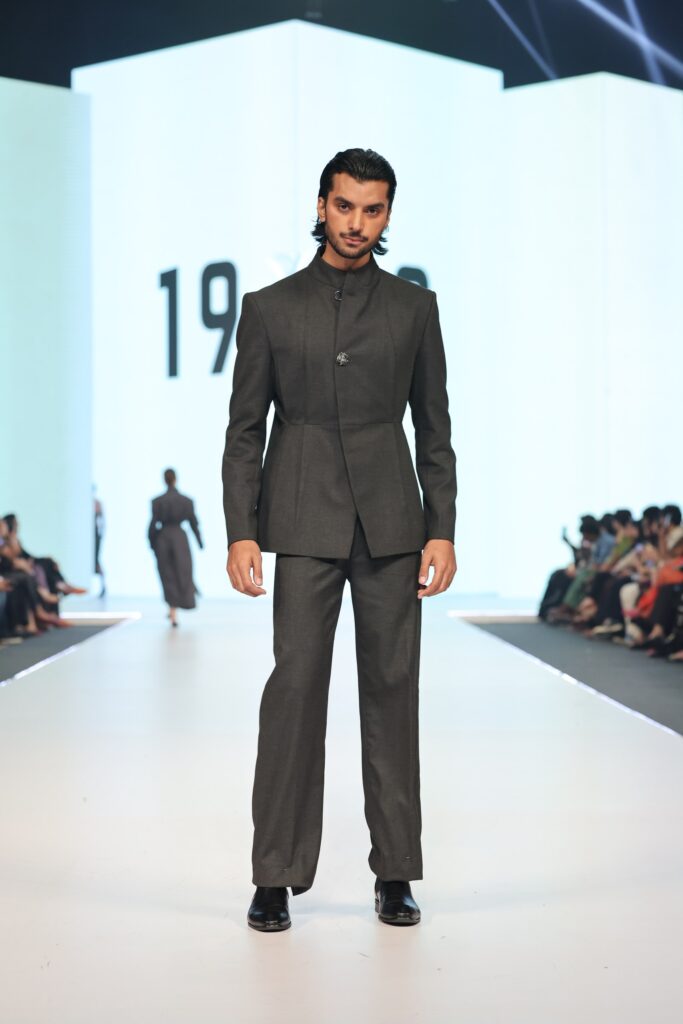
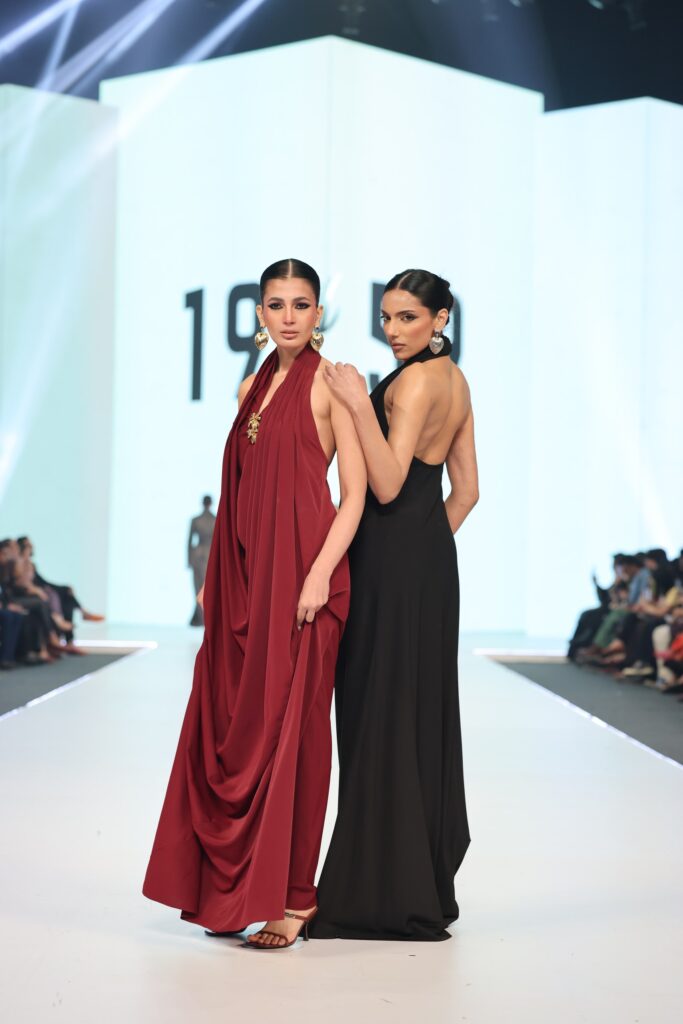
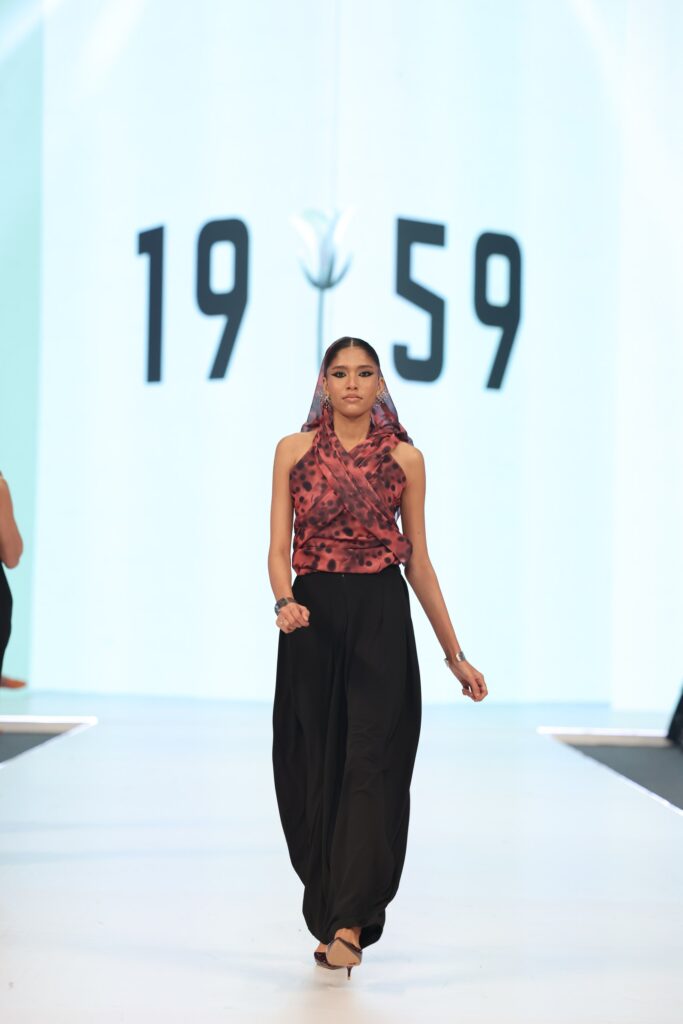
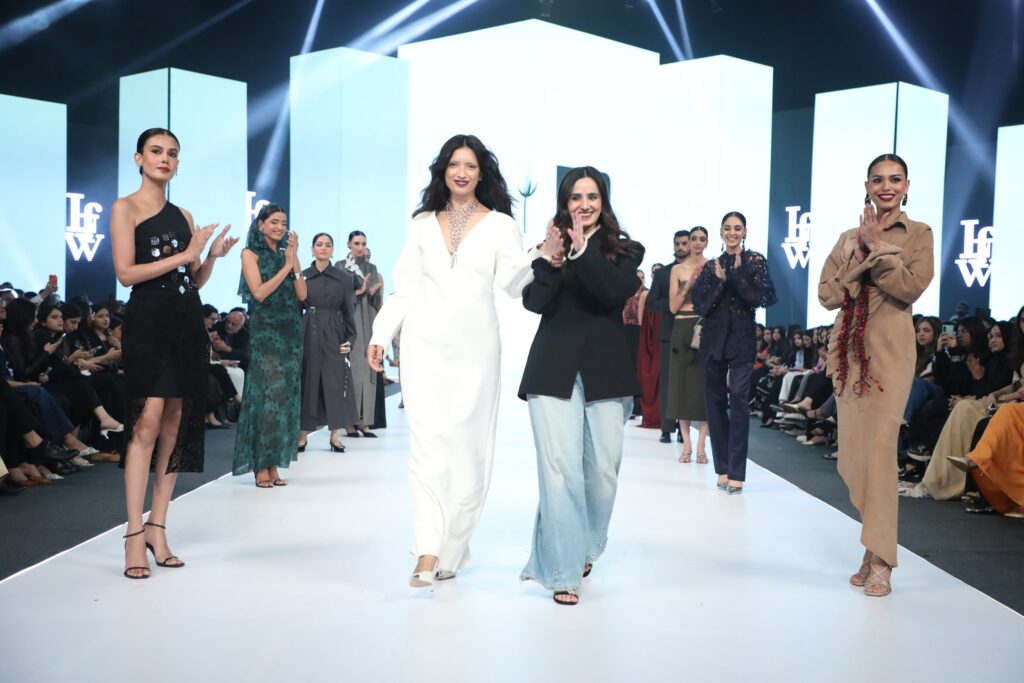
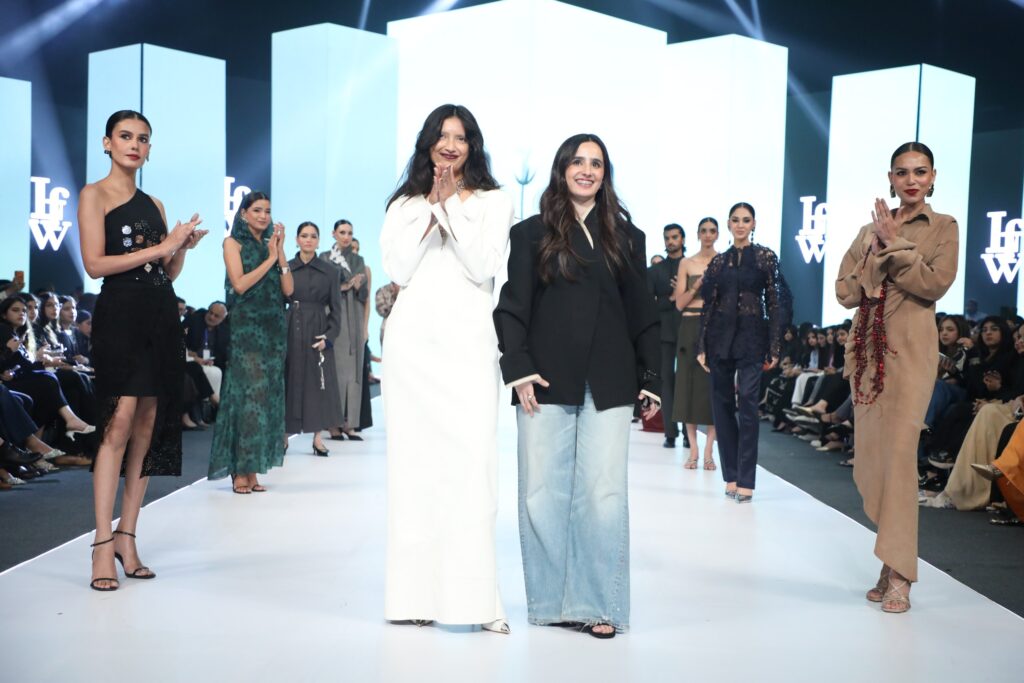
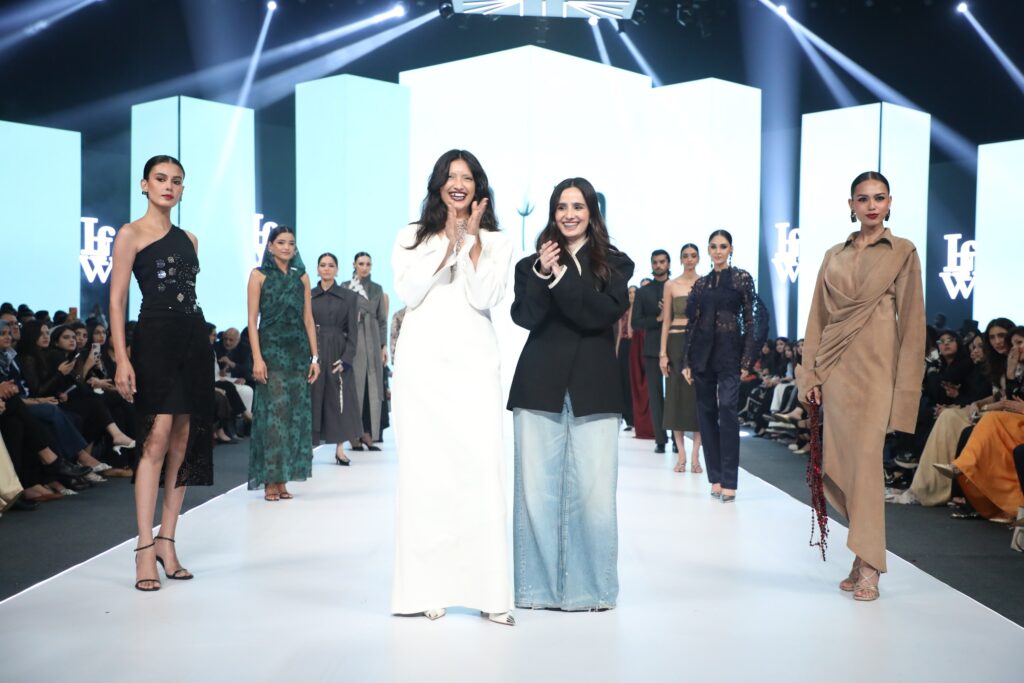
Presented at LAAM Fashion Week, the collection used tailoring as its framework rather than its limit. Sharp lines provided definition, while draping introduced a different rhythm, allowing fabric to fall more freely against the discipline of structured construction. Sheer textures offered another visual dimension, bringing lightness to a collection otherwise anchored by substantial outerwear.
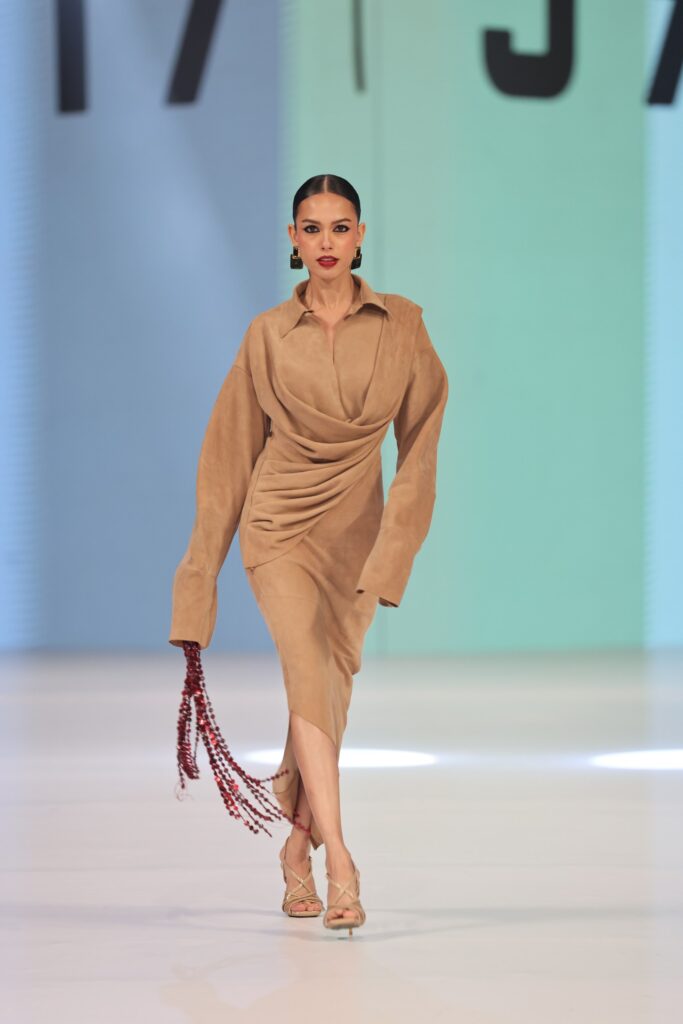
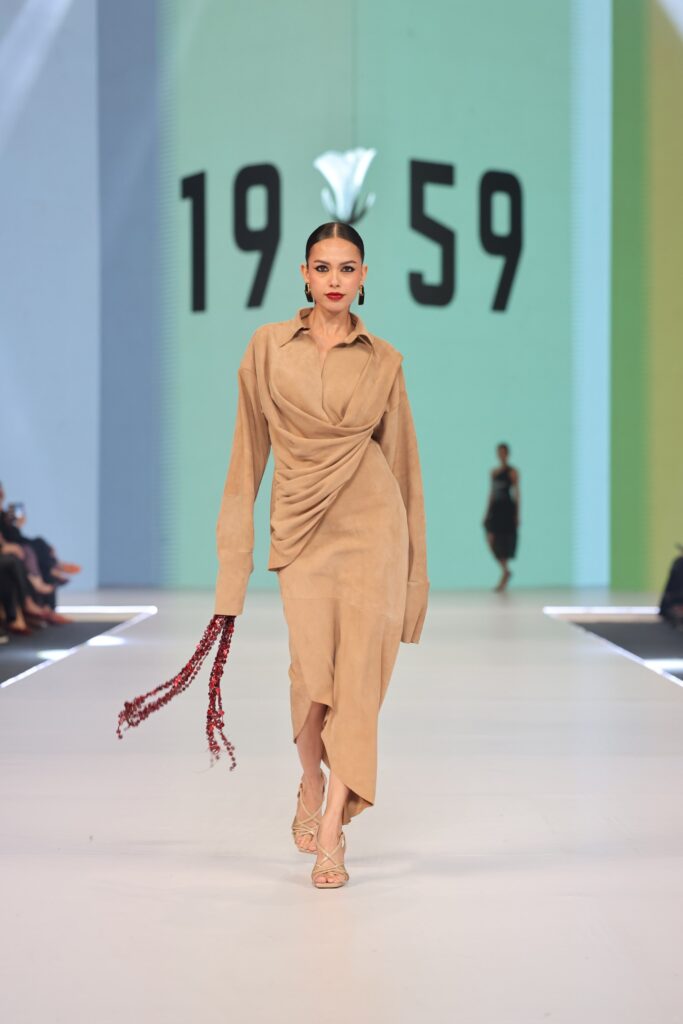
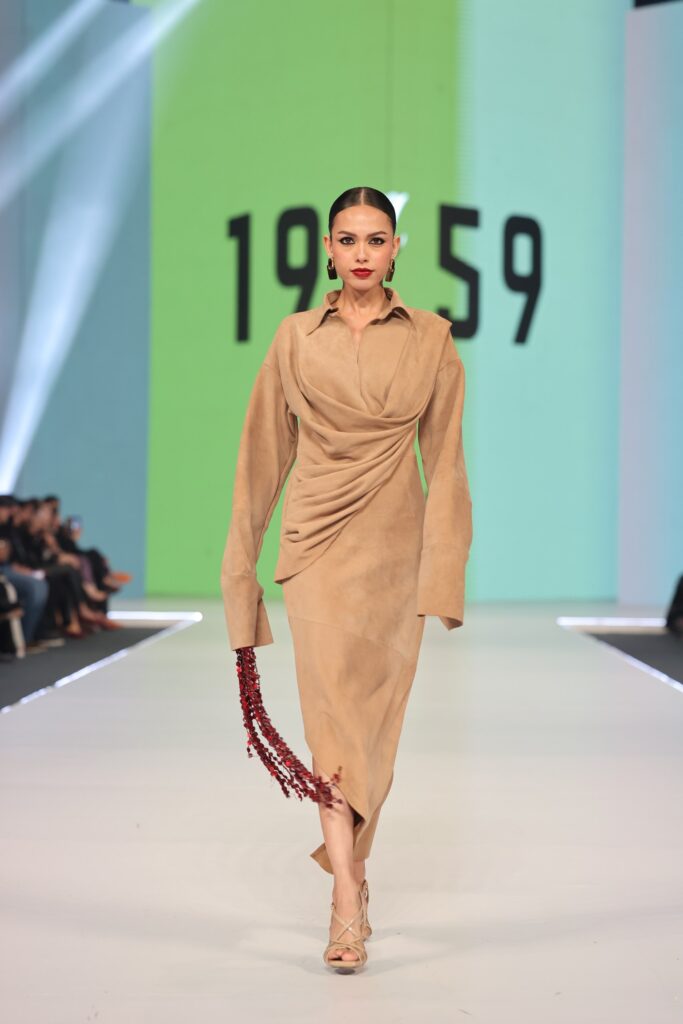
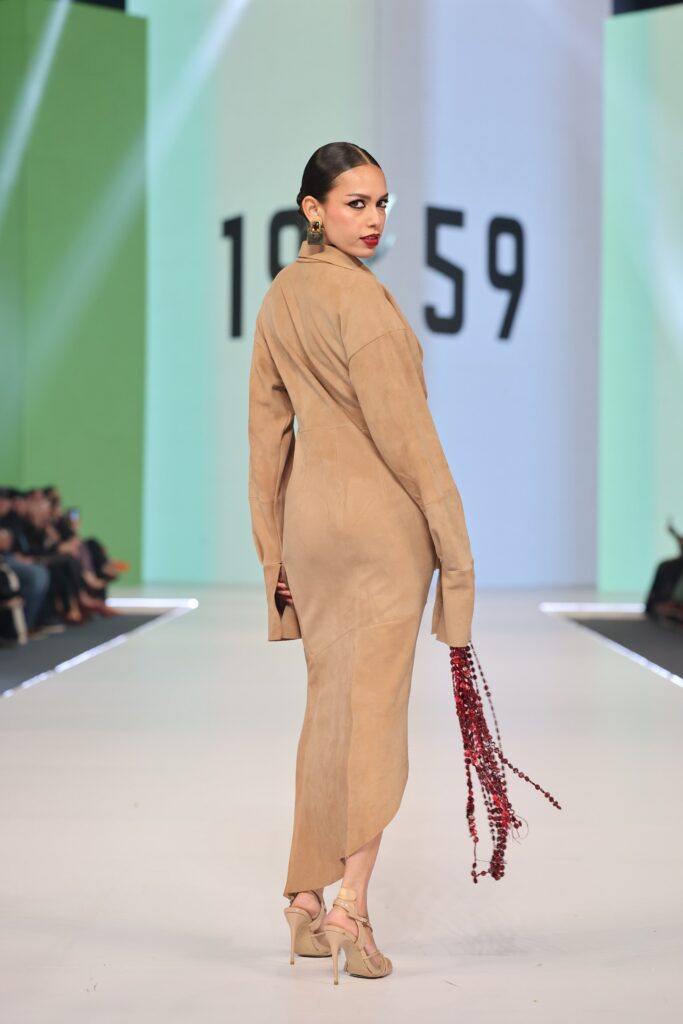
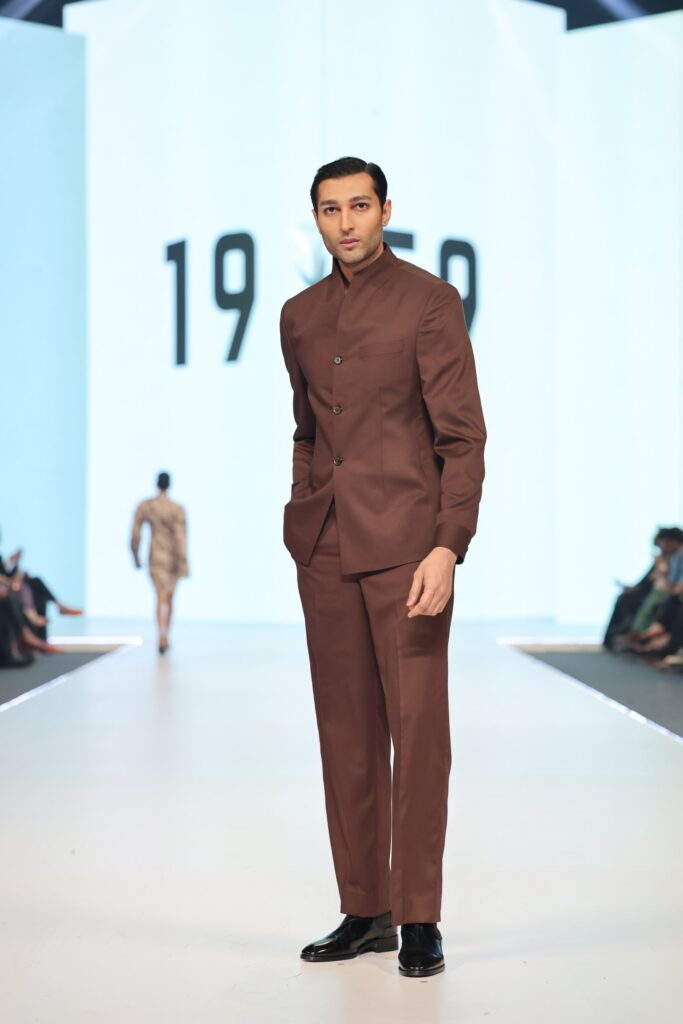
Colour played an equally deliberate role. Camel introduced warmth to a palette dominated by charcoal, oxblood and ink, establishing a distinctly autumnal mood without relying exclusively on dark tones. Bold prints interrupted the restraint of these colours, adding visual intensity to the collection’s measured silhouettes.
The movement between womenswear and menswear was particularly relevant to its overall direction. Rather than treating tailoring as a fixed aesthetic, Project 1959 explored how its precision could coexist with softer forms across both wardrobes.
What emerged was a contemporary approach to winter dressing in which structure did not necessarily demand rigidity, and fluidity could exist without sacrificing definition. For Project 1959, the interest lay in allowing those qualities to remain distinct while occupying the same collection.